Why Does Your Skin Itch When It Gets Dry? The Science Behind Xerosis and Pruritus
With the arrival of winter or the onset of dry weather, many of us face a common problem—dry and itchy skin. When the skin loses its natural moisture, not only does it feel rough, but it starts with an uncomfortable itching sensation. In medical terms, dry skin is called Xerosis and itching is called Pruritus.
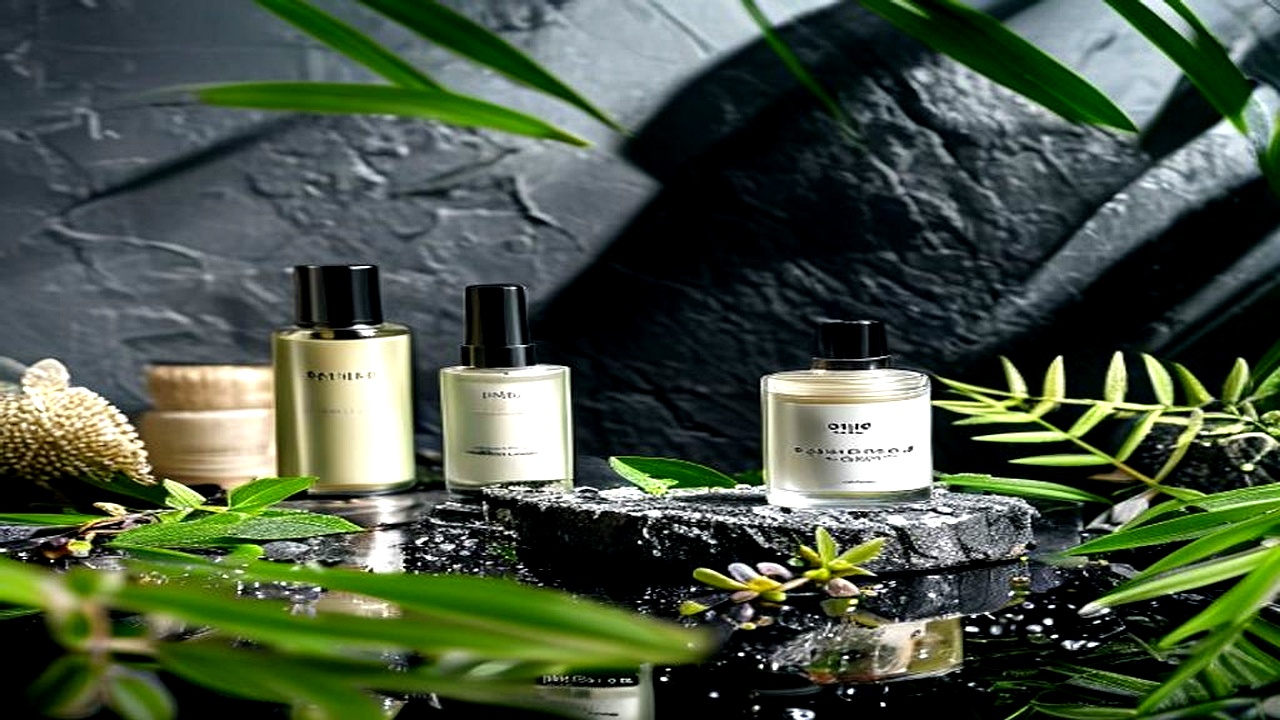
But have you ever thought, why itching starts when the skin is dry? What is the real biological and neurological science behind it? How does our Skin Barrier work and how should our daily skincare routine be to get rid of this uncomfortable situation? In today’s comprehensive educational guide from Nilavy, we will discuss in detail the science behind dry, itchy skin and its proper solution.
—
The Anatomy of Dry Skin: What Happens Deep in the Epidermis?
The outermost layer of our skin is called the Stratum Corneum, which is basically part of the Epidermis. This Stratum Corneum can be compared to a wall, where skin cells or Corneocytes are the bricks and Lipids (ie: Ceramides, Cholesterol, and Free Fatty Acids) are the cement. This lipid matrix retains the moisture of our skin and protects the skin from external harmful pathogens and allergens. This is what we call Skin Barrier.
When for some reason this skin barrier is damaged or cannot produce enough lipids, the real problems begin.
- Transepidermal Water Loss (TEWL): When the skin barrier is weakened, the moisture inside the skin evaporates quickly into the air. This process is scientifically called Transepidermal Water Loss or TEWL.
- Depletion of Natural Moisturizing Factors (NMF): Our skin naturally contains certain moisturizing elements, such as Amino Acids, Urea, and Lactic Acid, collectively known as NMF. In the case of dry skin, the amount of this NMF reduces.
- pH Level Disruption: The normal pH of healthy skin is usually mildly acidic (around 4.7 to 5.7). But when moisture decreases, the pH level of the skin increases (becomes alkaline), which makes the skin barrier more fragile.
—
The Biological Link: How Does Dryness Trigger Itching?
The relationship between itching and skin dryness is direct and complex. At the junction of the Epidermis and Dermis layers of our skin are numerous microscopic nerve fibers called C-fibers or Nociceptors. These nerve fibers basically transmit any kind of discomfort, pain or itching signal to the brain.
When the skin becomes dry, itchiness occurs due to the following biological processes:
1. Exposure of Nerve Endings
In healthy skin, the lipid barrier acts as a protective shield, thereby protecting the nerve endings. But when the Stratum Corneum shrinks and cracks due to dryness, these sensitive nerve endings are directly exposed to the outside environment. These exposed nerves are excited and send itching signals to the brain at the slightest touch of wind, cloth rubbing or dust.
2. Release of Inflammatory Cytokines
When moisture is depleted, skin cells release inflammatory chemicals called Cytokines as a warning signal. The presence of these cytokines causes local inflammation. This inflammation directly stimulates C-fibers, resulting in pruritus.
3. Histamine-Independent Pathway
Usually any allergy or mosquito bite itching is caused by a chemical called Histamine. But the role of histamine in dry skin-induced itching or Xerotic Pruritus is very limited. It mainly occurs through a histamine-independent pathway, which is why it is not possible to completely relieve the itching of dry skin by taking common anti-histamine drugs. This requires direct barrier repair therapy.
—
The Dangerous “Itch-Scratch Cycle”
The biggest culprit for dry, itchy skin is the tendency to itch. Whenever we feel itchy skin, our natural reflex is to scratch it. But this gives temporary relief but actually worsens the problem. This is called Itch-Scratch Cycle in dermatological terms.
| Step | Phase | What Happens in the Skin? |
|---|---|---|
| 1 | Dry Skin & Barrier Damage | TEWL increases and nerve endings become exposed. |
| 2 | Itch Sensation (Pruritus) | C-fibers send itchy signals to the brain. |
| 3 | Scratching Response | We scratch or itch the skin with nails. |
| 4 | Physical Trauma & Micro-tears | Itching causes micro-tears to form in the epidermis. |
| 5 | Increased Inflammation & Infection | Allergens and bacteria enter the damaged area, which increases the release of cytokines and intensifies itching. |
If this cycle is not broken, permanent damage to the skin may occur, and even serious problems such as Eczema (Atopic Dermatitis) or secondary bacterial infection may occur.
—
Common Culprits: Main Causes of Dry and Itchy Skin
Skin is not only dry due to weather, our lifestyle and some environmental factors are also responsible for it:
- Environmental Factors: Air humidity decreases a lot in winter. Besides, the air becomes dry due to the use of closed heating system or air conditioner inside the house, which absorbs the moisture of the skin.
- Harsh Surfactants: Common soaps or face washes we use contain harsh surfactants like Sodium Lauryl Sulfate (SLS) or Sodium Laureth Sulfate (SLES). They wash away the skin’s natural lipid barrier.
- Hot Showers: Prolonged showering with hot water completely destroys the skin’s natural oils, resulting in severe itching immediately after showering.
- Aging: As we age, the function of our skin’s Sebaceous Glands (oil glands) decreases. As a result, the skin cannot produce enough sebum and lipids, which is one of the main causes of persistent dry, itchy skin in the elderly.
—
Science-Backed Ingredients to Relieve Dry, Itchy Skin
Dry and itchy skin treatment requires skincare ingredients that simultaneously hydrate the skin, repair the lipid barrier and calm inflammation. Below is a list of some of the effective ingredients:
| Ingredient Class | Key Examples | How it Helps the Skin |
|---|---|---|
| Humectants | Hyaluronic Acid, Glycerin, Urea, Panthenol (Pro-Vitamin B5) | They hydrate the epidermis by drawing water or moisture from the air and deeper layers of the skin. |
| Emollients | Ceramides, Squalane, Shea Butter, Caprylic/Capric Triglyceride | They fill the empty spaces of the skin and keep the skin soft, smooth and supple. As a result, the texture of the skin is also improved. |
| Occlusives | Petrolatum, Dimethicone, Beeswax, Candelilla Wax | They create a protective layer on the skin to protect the skin from the harmful effects of the external environment. As a result, moisture loss is reduced. |
| Anti-Inflammatory Agents | Colloidal Oatmeal, Allantoin, Bisabolol, Niacinamide | These ingredients reduce skin inflammation and soothe itching. As a result, the skin feels comfortable. |
| Barrier-Replenishing Complexes | Ceramide NP, Ceramide AP, Ceramide EOP, Phytosphingosine | They make the skin more resilient and healthy by reconstructing the lipid barrier of the skin. As a result the skin can take care of itself. |
Incorporating these ingredients into a proper skincare routine will reduce skin dryness and itching. However, as everyone’s skin is not the same, a combination of different ingredients should be used instead of relying on one ingredient.
How to Choose the Right Ingredients for Your Skin Type
The same ingredients will not work for all skin types. So it is important to choose ingredients according to your skin type. Below are some tips:
- Sensitive Skin: Use gentle ingredients like Colloidal Oatmeal, Panthenol, Bisabolol. They soothe the skin without irritating it.
- Oily Skin: Use lightweight emollients such as Squalane or Caprylic/Capric Triglyceride. They moisturize the skin without making it greasy.
- Dry Skin: Use heavy occlusives such as Petrolatum or Shea Butter. They keep the skin hydrated for a long time.
- Combination Skin: Use a balanced combination of different ingredients. For example, Ceramides combined with Hyaluronic Acid will meet the needs of different parts of the skin.
DIY vs. Commercial Products: Which is Better?
Many people prefer to make their own skincare products. However, there are a few things to keep in mind when making DIY products for dry, itchy skin:
- Safety: Some natural ingredients such as lemon juice or essential oils can irritate the skin. So please patch test before using them.
- Stability: DIY products can spoil quickly. So make fresh produce and don’t store it for long.
- Effectiveness: The products in the market contain ingredients in specific concentrations which are most effective for the skin. It’s hard to have that control in DIY.
But if you want to make something yourself, then you can try the following simple recipe:
- Oatmeal & Honey Mask: Mix 2 tbsp Colloidal Oatmeal with 1 tbsp Honey and apply on the skin. Wash off after 15 minutes. It will soothe the skin and increase moisture.
- Avocado & Yogurt Moisturizer: Mix ½ ripe Avocado with 2 tbsp Plain Yogurt and apply on the skin. Wash off after 20 minutes. It will deeply hydrate the skin.
But remember, DIY products are not always reliable. So if the skin problem is serious, then use the trusted products of the market.
When to See a Dermatologist
Although most cases of dry, itchy skin can be treated with home remedies, a dermatologist should be consulted immediately if certain symptoms occur:
- Persistent Itching: If itching persists for several weeks and does not seem to subside, it may be a sign of another skin condition.
- Severe Redness or Swelling: Excessive redness, swelling, or pain in the skin may indicate an infection or other problem.
- Cracked or Bleeding Skin: If the skin becomes excessively dry and cracked and bleeds, it is a sign of serious skin damage.
- Associated Symptoms: If itching is accompanied by fever, shortness of breath, or any other unusual symptoms, it may be an allergic reaction.
If such symptoms occur, consult a specialist immediately. They will do necessary tests and provide proper treatment.
Conclusion
Many people suffer from skin dryness and itching. But these problems cannot be completely ignored as they have a direct impact on skin health. In this article we look at everything from the anatomy of the skin to the science of the Itch-Scratch Cycle as it relates to skin dryness and itchiness.
The most important thing is to keep the skin properly hydrated, protect the lipid barrier and reduce inflammation. This requires the use of the right skincare ingredients. Ingredients like Humectants, Emollients, Occlusives, Anti-Inflammatory Agents and Barrier-Replenishing Complexes are effective in keeping the skin healthy. However, as everyone’s skin is not the same, it is important to choose ingredients according to your skin type.
Also, caution should be exercised when making DIY products and a dermatologist should be consulted promptly if severe symptoms occur. Taking care of the skin is not only about looking good, but also about keeping the skin healthy and resilient. So listen to your skin, understand its needs and take proper care.
Remember, love skin, take proper care and have healthy skin.

About the Author
Maria is a beauty expert and skincare enthusiast dedicated to helping readers make confident, informed choices about their daily routines. With years of hands-on experience evaluating top skincare, haircare, and cosmetic trends, she cuts through the hype to deliver honest product recommendations, expert tips, and clear, practical advice you can rely on.