Is Your Skincare Routine Ruining Your Skin Barrier? 5 Common Mistakes and their Scientific Solution
How many new skincare products do we try every day to get hydrated and flawless skin? But many times it can be seen, even after taking care, the skin is becoming sensitive, breakouts are happening frequently, or there is redness and irritation on the face all the time. Do you know what is the real reason behind this? The main reason may be that your skin barrier has been damaged without your knowledge.
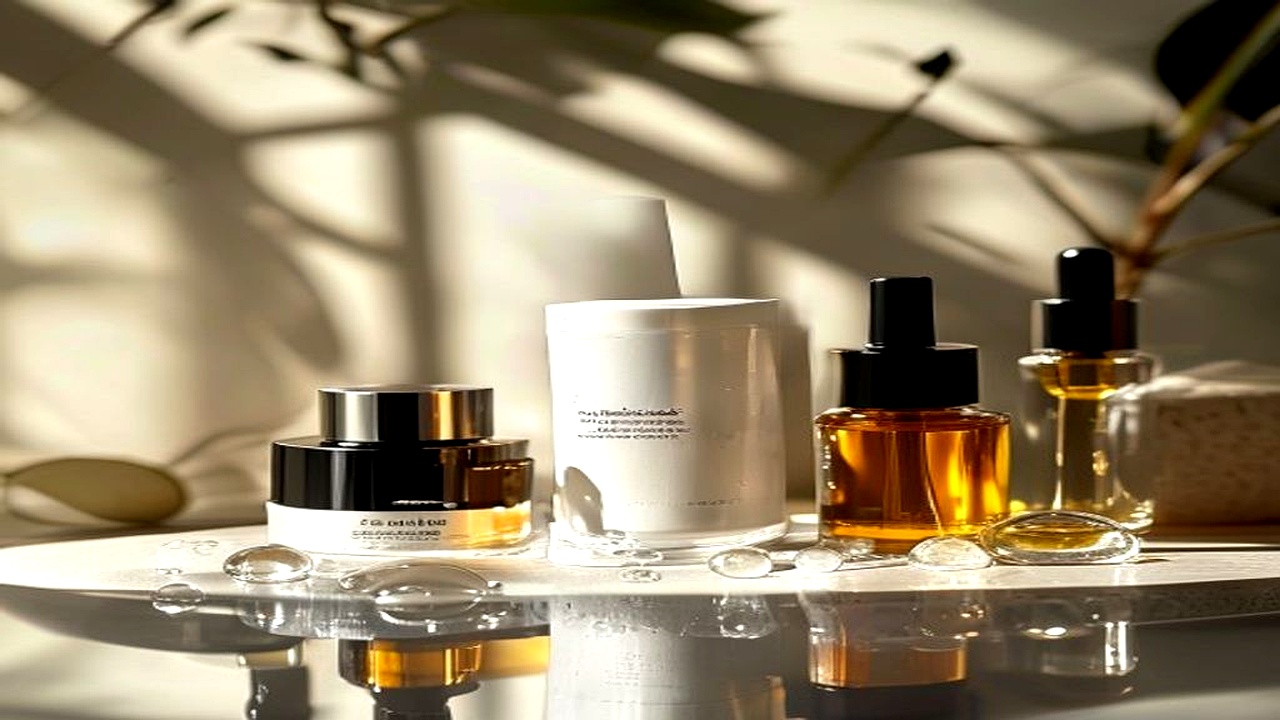
Our skin has a natural shield to protect it from external harmful bacteria, pollution and UV Rays, which we call skin barrier. But when it comes to skincare, some very common yet fatal mistakes can break down this barrier. In today’s article we’ll discuss 5 Common Skincare Mistakes That Are Ruining Your Skin Barrier and How To Make It Healthy Again With A Minimalist, High-End Skincare Routine.
—
What exactly is the Skin Barrier and why is it so important?
The outermost layer of our skin is called the Stratum Corneum, which basically acts as our skin barrier. In scientific terms it can be compared to a “brick and mortar” or brick and cement wall. Here ‘Brick’ is our Skin Cells or Corneocytes, and ‘Cement’ is natural lipids or Lipids (eg: Ceramides, Cholesterol, and Free Fatty Acids).
When this lipid barrier is healthy, it locks in the moisture inside the skin and prevents any harmful external substances from entering. This is scientifically called preventing Transepidermal Water Loss (TEWL). But whenever this barrier is broken, moisture quickly escapes into the air, the skin becomes dry, and harmful bacteria easily enter the epidermis, creating a variety of skin concerns.
—
5 Harmful Mistakes That Are Destroying Your Skin Barrier
We often think that the more products we use, the better our skin will be. But it is this idea that causes the greatest harm. Below are 5 common mistakes you should ditch from your skincare routine today:
1. Over-Exfoliation (excessive scrubbing and use of acids)
Exfoliation is important to remove dead skin cells and increase brightness. But many people use Chemical Exfoliator (such as: Glycolic Acid, Salicylic Acid, or Lactic Acid) or granular Physical Scrub daily or four to five times a week.
Excessive exfoliation causes the lipid layer of the Stratum Corneum to completely erode before new and healthy skin cells can be formed. As a result, the skin becomes thin and sensitive, causing the skin to redden even in the slightest sun or wind.
2. Using Harsh Cleanser and Extra Foaming Facewash
Many people use cleansers that create too much foam to “squeaky clean” the skin. These types of products usually contain harmful Sulfates (eg: Sodium Lauryl Sulfate).
This type of cleanser washes away the natural oils or sebum and essential lipids of the skin. If your skin feels dry or tight after washing your face, you should know that your cleanser is stripping out your skin barrier.
3. Layering multiple active ingredients together
Seeing the influence of social media, many people started using Retinol, Vitamin C Serum, AHA/BHA Exfoliator and Benzoyl Peroxide together in the same routine.
Remember, each Active Ingredient has a specific function on the skin cells. When you apply multiple strong ingredients to the skin at once, the skin cannot withstand the pressure. In particular, the wrong combination of retinol and acid can cause chemical burns on the skin or contact dermatitis.
4. Skipping Moisturizer (Especially for Oily Skin)
Many have a misconception that oily or acne-prone skin does not need to use moisturizer. This is wrong. When the skin doesn’t get enough moisture, our Sebaceous Glands produce twice as much Sebum or oil to protect itself. As a result, the skin becomes oily and the problem of Acne Vulgaris increases. The skin barrier can never heal without using a lightweight, gel-based moisturizer.
5. Not Using Sunscreen and UV Damage
No matter how expensive the Skin Barrier Repair Cream or Serum you use, if you don’t use the right amount of broad-spectrum Sunscreen during the day, all efforts will fail. The sun’s UVA and UVB Rays directly destroy our skin’s collagen fibers and oxidize the protective lipids of the skin barrier, causing skin aging and barrier damage.
—
How do you know if your Skin Barrier is Damaged?
The skin gives clear signals when the skin barrier is broken. Check the chart below to see if your skin has these symptoms:
| Symptoms | Underlying Reason | Remedy (Immediate Action) |
|---|---|---|
| Excess Dryness and Flakiness | Increased Transepidermal Water Loss (TEWL) | Using Hydrating Serum and Occlusive Cream |
| Burning Sensation when applying the product | Explosion of nerve endings in the skin | Temporary suspension of all active ingredients |
| Suddenly excessive Acne and Breakouts | Easy entry of harmful bacteria and inflammation | Follow Gentle Cleansing and Barrier Support Routine |
| Redness all the time | Micro-irritation and dilation of blood vessels | Using soothing agents such as Centella Asiatica |
—
The Nilavy Barrier-Rescue Protocol: How to Repair a Damaged Skin Barrier
If your skin barrier is already damaged, don’t despair. Our skin can heal itself well, it just needs to be given the right ingredients and some time. By following this 3-step Minimalist Routine developed by Nilavy’s skincare experts, you can get your healthy, soft and glowing skin back in just 14 to 28 days:
Step 1: Gentle and pH-balanced Cleansing (morning and night)
Avoid all harsh, exfoliating face washes for now. Choose a cleanser that is Sulfate-free and has a pH level close to the skin’s natural pH (5.5). It will cleanse the skin of dust and excess oil without any dryness. There is no need to use face wash more than twice a day. Especially those who use makeup or sunscreen, should first cleanse their face at night with a Micellar Water or Oil Cleanser, followed by a second cleansing with a gentle face wash.
Step 2: Hydrate and Replenish
Damaged barriers have reduced water holding capacity. So use a hydrating serum with Hyaluronic Acid or Glycerin while the skin is still wet. It will act like a sponge, drawing moisture from the air and delivering it deep into the skin. You can also use products containing Niacinamide (2% to 5% concentration), which helps in the production of Ceramides in the skin and reduces redness.
Step 3: Lock in Moisture with a Rich Moisturizer
Use a heavy, creamy moisturizer immediately after using the serum. This step is important because it creates a protective seal on the top layer of the skin, which prevents water loss. Choose moisturizers that contain Ceramides, Cholesterol, and Fatty Acids. For example, Nilavy’s Barrier Repair Cream contains all three of these ingredients, which help restore the skin’s lipid balance.
Use a little more when using moisturizer and gently massage into the skin. Use Petroleum Jelly or Squalane as an Occlusive at night especially for dry skin.
Step 4: Sun Protection is Non-Negotiable (Sun Protection)
Using sunscreen is important while rebuilding the skin barrier. Even indoors, UV rays can damage the skin. Use sunscreen with Broad Spectrum SPF 30+ every morning. Nilavy’s Mineral Sunscreen SPF 50+ does not leave a separate coating on the skin and does not further damage the barrier.
Make sure the skin is completely dry before using sunscreen. If using makeup, layer sunscreen on top.
Additional Tips for Faster Barrier Recovery
Taking some extra steps in addition to the regular routine above can speed up the barrier rebuilding process. Below are some important tips:
1. Sleep and Stress Management (sleep and stress management)
Skin regeneration process mainly takes place at night. So try to sleep at least 7-8 hours every day. Stress can also damage the skin’s barrier. Practice Meditation, Yoga or Deep Breathing regularly.
2. Diet and Hydration (diet and water)
Intake of essential nutrients is important for skin health. Eat foods rich in Omega-3 Fatty Acids (fish, nuts, avocados), Vitamin C (citrus fruits, strawberries), and Zinc (legumes, seeds). Also, drink at least 2-3 liters of water every day to keep the skin hydrated.
3. Avoid Picking or Touching Face (avoid touching the face)
Touching the skin or picking at pimples/skin tags can damage the barrier. Use a clean towel when washing your face daily and wash your hands before touching your face.
4. Patch Test New Products (Patch test before using new products)
If the skin barrier is weak, do Patch Test before using any new product. Apply a small amount of the product to the inner part of the hand and wait 24 hours. If any irritation, redness or rash occurs, do not use the product.
Common Mistakes to Avoid During Barrier Repair
Many people make some common mistakes during barrier reconstruction, which further slows down the recovery process. Below is a list of some such mistakes:
| errors | Why harmful? | To Do |
|---|---|---|
| Using Additional Products | The skin may become overloaded and further damage the barrier. | Use only 3-4 products per day. |
| Applying serum or moisturizer before the skin is completely dry | If the top layer of the skin is too dry, serums or moisturizers cannot penetrate the skin. | Use the serum while the skin is wet. |
| Change barrier repair cream frequently | Skin takes time to adapt to new ingredients. | Use the same product for at least 2-3 weeks. |
| Not using sunscreen | UV Rays damage the skin barrier and slow down the regeneration process. | Use sunscreen every morning. |
When to See a Dermatologist (When to consult a dermatologist?)
Although in most cases following the above rules for barrier reconstruction gives good results, in some cases it is necessary to consult a dermatologist. Some of the symptoms are mentioned below:
- Severe burning, itching or pain in the skin – This may indicate an extreme state of barrier damage.
- Blistering or pus-filled sores on the skin – This could be a sign of a bacterial infection.
- Barrier reconstruction takes more than 4 weeks – if no improvement is seen after regular care.
- Allergic reaction – Skin rash, redness or swelling after using a new product.
Consult a dermatologist immediately if such symptoms occur. They will provide necessary tests and treatment.
Conclusion
The skin barrier is our skin’s first layer of defense. When it is damaged, the skin becomes dry, red, sensitive and prone to damage. But there’s no need to fear—with proper care and patience following the right routine, skin can bounce back in just a few weeks.
Follow this barrier rescue protocol from Nilavy: start with gentle cleansing, then nourish skin with hydration and serum, then lock in moisture with heavy moisturizer and finally protect skin with sunscreen. Also ensure stress management, healthy eating habits and adequate sleep.
Remember, skin care never ends. With regular care and awareness you can always enjoy healthy, glowing and youthful looking skin. So start today and take care of your skin patiently. Your skin is your best beauty reflection.

About the Author
Maria is a beauty expert and skincare enthusiast dedicated to helping readers make confident, informed choices about their daily routines. With years of hands-on experience evaluating top skincare, haircare, and cosmetic trends, she cuts through the hype to deliver honest product recommendations, expert tips, and clear, practical advice you can rely on.