What are PHAs (Polyhydroxy Acids) in Modern Skincare: The Ultimate Guide to Gentle Exfoliation
Exfoliation has always been considered a crucial step for a glowing and smooth texture in the skincare industry. But for a long time we have had an idea that for effective exfoliation the skin must tolerate some irritation or redness. Especially when dynamic active ingredients like Glycolic Acid or Salicylic Acid come into contact with sensitive skin, the skin barrier is often compromised. As a solution to this problem, a new revolution in modern skincare has brought PHAs (Polyhydroxy Acids).
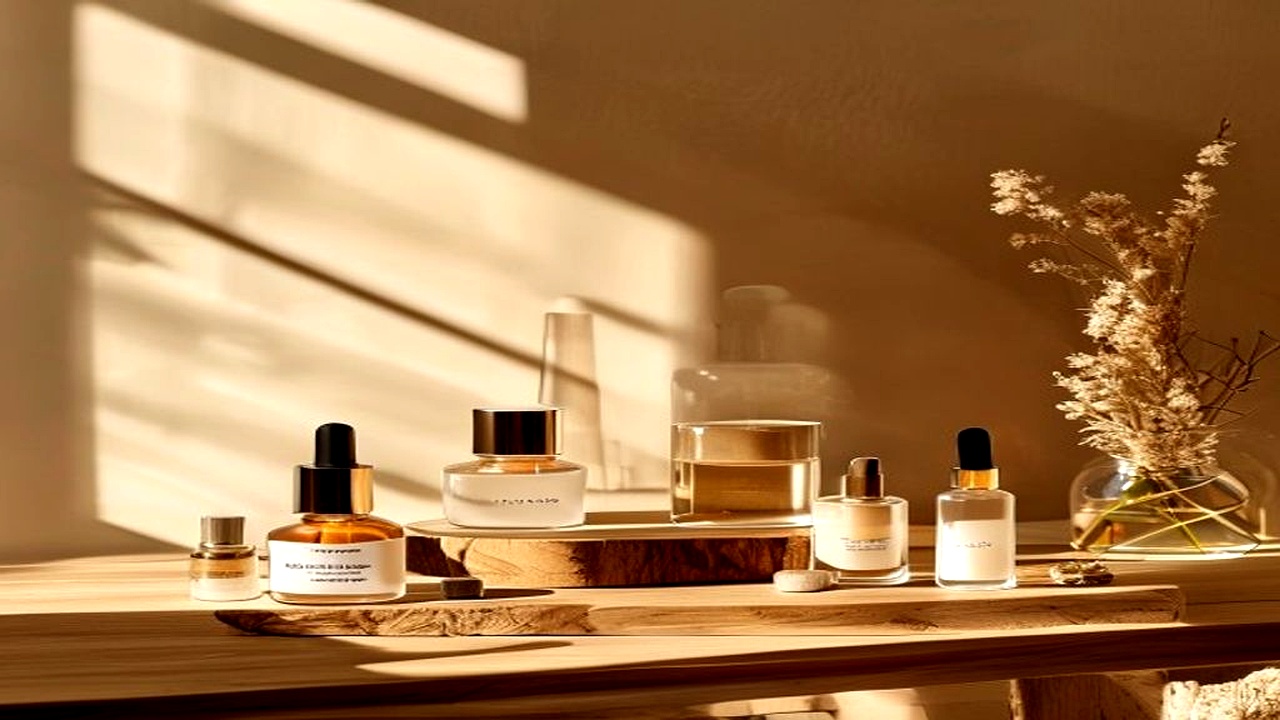
At Nilavy we believe skincare should be gentle but scientifically proven. In today’s comprehensive educational guide, we’ll take an in-depth look at what PHAs are, how they work on the skin, and why they can be a game-changer for your daily routine.
—
Science Behind PHAs: What Are Polyhydroxy Acids and How Do They Work?
PHAs or Polyhydroxy Acids are a type of chemical exfoliants which are basically the second-generation derivative or close cousins of the popular AHAs (Alpha Hydroxy Acids). Their chemical structure and functional method are well and scientifically designed.
The biggest scientific feature of PHAs is their molecular structure. Compared to AHAs (eg Glycolic Acid), PHAs have a much larger molecular size and contain more hydroxyl groups. Due to these structural differences, their mode of action on the skin changes completely:
- Slower Penetration Rate: Due to the large molecular size, PHAs cannot penetrate deep into our epidermis very quickly. They act slowly on the topmost layer of the skin i.e. stratum corneum. As a result, there is no stingy sensation, burning, or immediate irritation on the skin.
- Humectant Properties: The multiple hydroxyl groups in the chemical structure of PHAs are adept at attracting water. They act as excellent humectants, which in addition to exfoliation, draw moisture from the air and lock moisture into the skin.
- Non-Sensitizing Nature: After using common chemical exfoliators, the skin becomes more sensitive to sunlight, which is scientifically called photosensitivity. But PHAs do not increase skin photosensitivity, making it a safe daytime chemical exfoliant.
—
Key Types of PHAs in Modern Formulations
In modern cosmetic chemistry, there are basically three primary PHAs used in most skincare products. Let’s know about them in detail:
1. Gluconolactone
This is the most common and widely researched PHA in the skincare world. Gluconolactone is mainly produced naturally at the cellular level of our skin. It gently polishes the skin’s surface layer and boosts the cell renewal cycle. It also helps protect collagen and elastin from degradation, which plays a vital role in preventing signs of aging.
2. Lactobionic Acid
Lactobionic Acid is basically derived from milk sugar or lactose. It is an outstanding humectant and antioxidant. It is helpful in reducing skin hyperpigmentation and softening the overall texture. It creates a protective moisture film on the surface of the skin, which is a boon for dehydrated and flaky skin.
3. Maltobionic Acid
This PHA derived from malt sugar is relatively new but its properties are promising. Maltobionic Acid works well to inhibit wrinkle formation in the skin and enzymes called matrix metalloproteinases (MMPs)—which break down collagen. It also plays a great role in improving skin barrier function.
—
Comparison Table: PHAs vs. AHAs vs. BHAs – Which Acid is Right for Your Skin?
When it comes to Acid in skincare, the first things that come to mind are AHAs (Alpha Hydroxy Acids) and BHAs (Beta Hydroxy Acids). But now PHAs (Polyhydroxy Acids) have become popular again. What is the difference between these three types of acids? Which one is suitable for which skin type? Let’s see the detailed comparison.
| Feature | PHAs | AHAs | BHAs |
|---|---|---|---|
| Full Form | Polyhydroxy Acids | Alpha Hydroxy Acids | Beta Hydroxy Acids |
| Molecular Size | Large (Gentler penetration) | Small (Deep penetration) | Small (Deep penetration, but oil-soluble) |
| Primary Function | Gentle exfoliation, hydration, skin barrier support | Exfoliation, brightening, anti-aging | Deep exfoliation, unclogging pores, anti-inflammatory |
| Best For | Sensitive, dry, or compromised skin | Normal to dry skin, anti-aging, hyperpigmentation | Oily or acne-prone skin |
| Examples | Gluconolactone, Lactobionic Acid, Maltobionic Acid | Glycolic Acid, Lactic Acid, Mandelic Acid | Salicylic Acid |
| pH Range | 5.0–7.0 (Milder) | 3.0–4.0 (Stronger) | 3.0–4.0 (Stronger, but less irritating than AHAs for oily skin) |
| Sun Sensitivity | Low (Less photosensitivity) | High (Increases sun sensitivity) | Moderate (Less than AHAs, but still requires SPF) |
| Skin Sensitivity | Very Low (Ideal for sensitive skin) | Moderate to High (Can cause irritation) | Low to Moderate (Gentler on sensitive skin than AHAs) |
From this table you can understand that PHAs provide the gentlest exfoliation, so those with sensitive or dry skin can easily use it. On the other hand, AHAs are more powerful and are good for brightening and anti-aging, but should be used with caution if the skin is sensitive. And BHAs are best suited for those with oily skin or acne-prone skin.
When to use an Acid?
Acids should be selected depending on skin type and skin needs. Below are some general guidelines:
- PHAs: Perfect for sensitive, dry, or skin with a weak skin barrier. For example: Gluconolactone-containing serums or moisturizers.
- AHAs: Ideal for normal to dry skin, especially those with signs of aging or hyperpigmentation. You can use products containing Glycolic Acid or Lactic Acid.
- BHAs: Helps to eliminate oily skin, acne-prone or blackheads. Use a cleanser or toner that contains salicylic acid.
Also, be careful when using multiple acids together. For example, using AHAs and BHAs together can make the skin more sensitive. Again, PHAs can be more beneficial for the skin if used in combination with other two types of acid.
PHAs vs. AHAs vs. BHAs: Which is Best?
The answer to this question will depend on your skin type and needs. If you have sensitive skin or a weak skin barrier, PHAs are the safest option. On the other hand, if your skin is acne-prone or oily, BHAs will be more effective. And if you want to focus more on brightening and anti-aging, AHAs will work well.
But remember, before using any acid, you must do a skin patch test. And if you use an acid during the day, you must use SPF 30+ sunscreen, because acids make the skin more sensitive to sunlight.
How to Incorporate PHAs into Your Skincare Routine
Now that PHAs are in detail, let’s take a look at how to add PHAs to your skincare routine. PHAs are commonly found in a variety of products such as serums, toners, moisturizers, and even cleansers. Below are some simple steps:
Step 1: Choose the Right PHA Product
- For Beginners: Choose a serum or toner made with Lactobionic Acid or Gluconolactone to start. They do not irritate the skin much.
- For Sensitive Skin: If the skin is very sensitive, then use products with Maltobionic Acid. It is known as the mildest exfoliant.
- For Dry Skin: The hydrating properties of PHAs are beneficial for dry skin. So choose products with PHAs as a moisturizer.
Step 2: Patch Test First
Be sure to do a patch test before using any new skincare product. To do this, apply a small portion of the product to the fold of the hand or behind the ear and wait 24 hours. If any redness, itching or irritation occurs, discontinue use of the product.
Step 3: Start Slowly
Start slowly when using PHAs. Use 2-3 times a week for the first few days, then gradually increase the frequency. This will help the skin to get used to it and reduce irritation.
Step 4: Layer Correctly
PHAs generally work well with other skincare products. But follow the steps below to layer properly:
- First clean the face with a cleanser.
- Next use a toner or serum with PHAs.
- Apply hyaluronic acid or other hydrating serum over it.
- Finally don’t forget to use moisturizer and sunscreen!
Step 5: Monitor Your Skin
Note skin reactions after using PHAs. If skin becomes excessively dry or irritated, reduce frequency or switch to another product. Again if the skin is good, then you can gradually increase the frequency.
Common Myths About PHAs Debunked
There are many misconceptions about PHAs in skincare. Let’s break them down:
Myth 1: PHAs are not as effective as AHAs or BHAs
Many people think PHAs are less effective because they are more mild. But PHAs actually help strengthen the skin barrier, slowing exfoliation, thereby reducing skin damage. So PHAs may be more beneficial for the skin in the long run.
Myth 2: PHAs can’t be used with other actives
This is a complete misconception. PHAs can be used with other actives such as Niacinamide, Hyaluronic Acid, or even AHAs or BHAs. However, care must be taken when using multiple exfoliants together so that the skin does not become over-exfoliated.
Myth 3: PHAs are only for sensitive skin
Although PHAs are ideal for sensitive skin, all skin types can benefit from PHAs. PHAs are especially beneficial for those with dry skin or a weakened skin barrier.
Conclusion
When discussing PHAs in skincare, the first thing to remember is that they are one of the mildest exfoliants. For those with sensitive skin, dry skin or a weak skin barrier, PHAs are an ideal option. Additionally, the hydrating properties of PHAs help keep the skin moisturized, thereby improving skin texture and reducing acne or acne breakouts.
However, before using PHAs, you must understand your skin type and needs. If skin is acne-prone or oily, BHAs may be more effective. AHAs work well if you want to focus more on brightening and anti-aging.
Most importantly, do a patch test before using any skincare product and if you use it during the day

About the Author
Maria is a beauty expert and skincare enthusiast dedicated to helping readers make confident, informed choices about their daily routines. With years of hands-on experience evaluating top skincare, haircare, and cosmetic trends, she cuts through the hype to deliver honest product recommendations, expert tips, and clear, practical advice you can rely on.