Why Your Face Sweats After Applying Heavy Moisturizers: The Science and The Solutions
You apply a luxurious, nourishing rich moisturizer to the final step of your skincare routine, and minutes later your forehead, nose, and lips are covered in sweat. This immediate facial perspiration can make you feel sticky, uncomfortable, and confused. Many people think it is a normal allergic reaction or skin rejection, but there are scientific and biological reasons behind it.
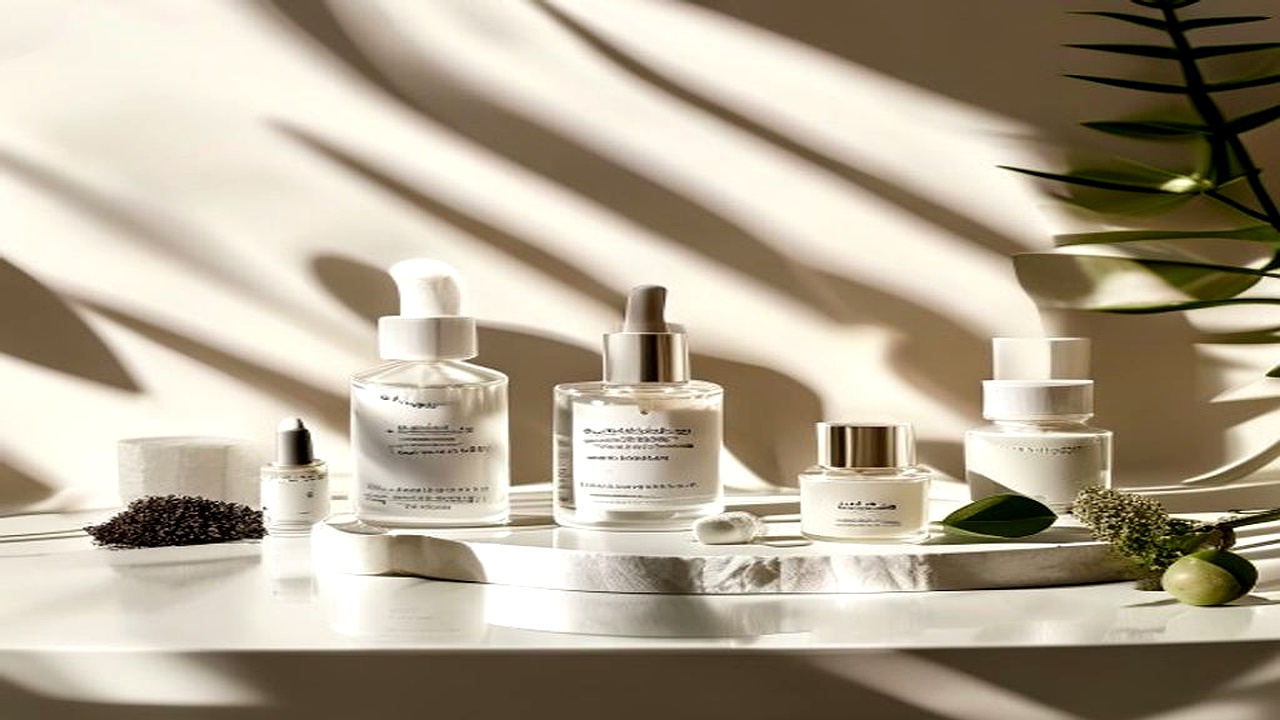
When rich moisturizers are applied to your face, the skin’s natural breathing and thermoregulation process can be temporarily interrupted. In this article we will discuss why this phenomenon occurs, the science behind it, and how to avoid this sweating problem without damaging your skin barrier.
—
The Biological Connection: Skin, Sweat, and Moisturizers
Our skin is not only a protective layer; it is a highly dynamic organ that constantly works to control body temperature. The key to this temperature control is sweating or perspiration.
Our skin mainly has two types of glands:
- Eccrine Glands: These glands mainly secrete water and salt, which helps to keep the skin cool. These glands are abundant all over the face, especially around the forehead and nose.
- Sebaceous Glands: These glands secrete sebum or natural oil to help keep the skin moisturized and supple.
When you apply a thick, rich cream to the skin, it essentially creates a hydrophobic blanket on the skin surface. To understand how this blanket or coating provokes facial perspiration, we need to know the function of occlusives.
—
The Science of How Rich Moisturizers Trap Heat
Rich moisturizers usually contain high levels of Occlusives. The main function of occlusive is to retain or lock the moisture of the skin. It creates a physical barrier over the skin, which prevents Transepidermal Water Loss (TEWL).
But when this physical barrier becomes too thick, it creates a “Greenhouse Effect“:
1. Impaired Evaporation
Under normal conditions, invisible water vapor and sweat are continuously released from our body and mixed into the air (evaporation). Skin cools down through this process. But when you use a rich Petrolatum, Shea Butter, or Mineral Oil product rich moisturizer, this evaporation process stops completely. Even though sweat comes out of the gland, it cannot penetrate the heavy layer above and mix with the air, so it accumulates on the surface of the skin and forms sweat droplets.
2. Heat Retention (temperature increase)
Rich moisturizers prevent normal heat radiation from the skin. When the blood vessels under the skin want to expand and release heat, this thick lipid barrier blocks it. Due to a slight increase in the internal temperature of the skin, the signal goes to the thermoregulation center of the brain and the Eccrine Glands immediately become active and start releasing a large amount of sweat.
—
Ingredient Breakdown: The Culprits of Facial Perspiration
Not all moisturizers will make your face sweat. There are certain ingredients and formulation types that are mainly responsible for this sweating. Below is a detailed comparison table that will help you in ingredient selection:
| Ingredient Group | Examples | Occlusive Strength | Sweat Induction Risk | Best Skin Type |
|---|---|---|---|---|
| High Occlusives | Petrolatum, Lanolin, Paraffin, Mineral Oil | Very High | High | Very Dry, Flaky Skin |
| Natural Butters | Shea Butter, Cocoa Butter, Mango Butter | High | High | Dry & Dehydrated Skin |
| Silicones | Dimethicone, Cyclopentasiloxane | Medium to High | Medium | Normal to Dry Skin |
| Emollients | Squalane, Caprylic/Capric Triglyceride | Medium | Low to Medium | Combination to Sensitive Skin |
| Humectants | Hyaluronic Acid, Glycerin, Panthenol | None (Water-binding) | Very Low | Oily, Acne-Prone & Dehydrated Skin |
If your skin is naturally oily or combination, and you use a cream with high occlusive, the possibility of clogged pores and heavy sweating increases significantly.
—
Is Sweating After Moisturizer Bad for Your Skin?
Having a sweaty face does not necessarily mean that your skin is damaged. But over time this condition can create several problems for the skin:
1. Clogged Pores and Acne Vulgaris
When sweat mixes with the oils and lipids of rich moisturizers, it creates a sticky mixture. This mixture easily traps sebum and dead skin cells inside the pores. This can lead to Comedones (blackheads/whiteheads) and subsequent Acne Vulgaris or break-outs.
2. Skin Barrier Suffocation
Our healthy skin barrier requires a perfect balance of lipids and moisture. Due to excess sweat and oil retention, the skin’s natural pH level is disturbed, which can weaken the skin barrier.
3. Active Ingredient Wash-out
If you use a beneficial active serum (such as Niacinamide, Vitamin C, or Retinol) before your moisturizer, excessive sweat caused by the moisturizer can wash away the active ingredients before they are absorbed into the skin. As a result, your entire skincare routine becomes less effective.
—
How to Prevent Your Face from Sweating After Moisturizing
How to solve this sweating problem without keeping your skin dehydrated? Most people think rich moisturizer means more hydrating, but it’s not. Often the occlusive ingredients in rich moisturizers such as petrolatum, mineral oil, or silicone create a heavy coating on the skin, causing the skin’s own sweat glands to become overactive. As a result, excessive sweating occurs. So to solve this problem you need to adopt some methods that keep the skin hydrated, but also control excessive sweating.
First of all, you need to understand that changing your moisturizer alone is not enough to control sweating. It also requires a proper skincare routine, choosing the right products, and following some simple tips. Let’s find out how to solve this problem.
1. Choose Lightweight, Non-Comedogenic Moisturizer
The most important step in keeping skin sweat under control is choosing a moisturizer that doesn’t leave a heavy coating on the skin. Non-comedogenic and lightweight moisturizers do not clog pores and retain excess heat. As a result, the skin is free from dryness and sweat is also controlled.
Also, choose a moisturizer that contains hydrating ingredients like Hyaluronic Acid, Glycerin, or Panthenol. These ingredients help the skin retain water and at the same time do not form a heavy coating on the skin.
- Example: Nilavy’s Hyaluronic Dew Moisturizer lightweight formula is ideal for skin. It gives the skin the hydration it needs, but also controls excessive sweating.
- Ingredients to avoid: Avoid petrolatum, mineral oil, or heavy silicone-based moisturizers.
2. Layering Technique: Thin Layers, Maximum Hydration
Many people think that using more moisturizer will keep the skin more hydrated. But actually it is not. Using too much moisturizer creates a heavy coating on the skin, resulting in excessive sweating. So use a layering technique.
In this method, you will use multiple light layers, so that the skin will get the hydration it needs, but at the same time excess sweating will be controlled.
- First layer: Use a lightweight hydrating serum (like Hyaluronic Acid serum). This will help the skin retain water.
- Second layer: Use a lightweight moisturizer. It will not form a heavy coating on the skin.
- Third layer (optional): Use a sunscreen. It will protect the skin from excess sun heat and help control sweating.
In this way, you can give the skin the hydration it needs, but also control excessive sweating.
3. Use products with Cooling Ingredients
Use products that contain cooling ingredients to control sweating. These ingredients reduce skin temperature and help control excessive sweating.
Some popular cooling ingredients are:
- Menthol: Reduces skin temperature and provides a cooling sensation.
- Aloe Vera: Cools the skin and helps control excessive sweating.
- Cucumber Extract: Reduces skin temperature and soothes skin.
- Green Tea Extract: Being rich in antioxidants, cools the skin and helps control excessive sweating.
Using products with these ingredients will keep skin cool and sweat under control.
4. Follow proper procedure while taking care of the skin
Excessive sweating can be controlled by following some simple skin care rules.
- Cleanse the skin: Cleanse the skin every morning and night. It will keep the skin pores clean and help control excessive sweating.
- Dry the skin: Dry the skin thoroughly after cleansing. Using moisturizer on wet skin can cause excessive sweating.
- Apply the product gently to the skin: Massage gently while applying the product to the skin. Massaging too hard can put extra pressure on the skin and cause sweating.
- Choose products according to skin type: Choose lightweight moisturizer for oily skin. Choose a light to medium moisturizer for dry skin.
5. Take care of skin at home
Many things can be done at home to control sweating.
- Wash your face with cold water: Washing your face with cold water several times a day reduces skin temperature and controls excessive sweating.
- Use a cold compress on the skin: Soak a clean cloth in cold water and place it on the face for a few minutes. It will cool the skin and help control sweating.
- Apply aloe vera gel on the skin: Aloe vera gel cools the skin and helps control excessive sweating.
Final Thoughts
One should not rely on only one thing to solve the problem of excessive sweating of the skin. All it takes is a proper skincare routine, choosing the right products, and following some simple tips. First of all you need to understand that using a rich moisturizer can increase the sweating of the skin. So choose lightweight, non-comedogenic moisturizer.
Also, use the layering technique to give the skin the hydration it needs, but at the same time control excess sweating. Using products with cooling ingredients will keep the skin cool and sweat under control. Above all, follow the right procedure while taking care of the skin and take care of the skin at home too.
Remember, be patient and take care of your skin regularly. Then you will see that your skin will become healthy, beautiful, and sweat free.
Incorporate these tips into your skincare routine and watch your skin become more beautiful and healthy.

About the Author
Maria is a beauty expert and skincare enthusiast dedicated to helping readers make confident, informed choices about their daily routines. With years of hands-on experience evaluating top skincare, haircare, and cosmetic trends, she cuts through the hype to deliver honest product recommendations, expert tips, and clear, practical advice you can rely on.