Sleeping Mask: Add this tool to your nighttime deep repair routine
Can skin be given deep care before sleeping at night? The answer is—Yes! And for this care comes the tool called Sleeping Mask. Many people think that after cleansing, toning, moisturizing, the skin gets enough care. But at night when the skin is busy repairing itself, a Sleeping Mask increases that process.
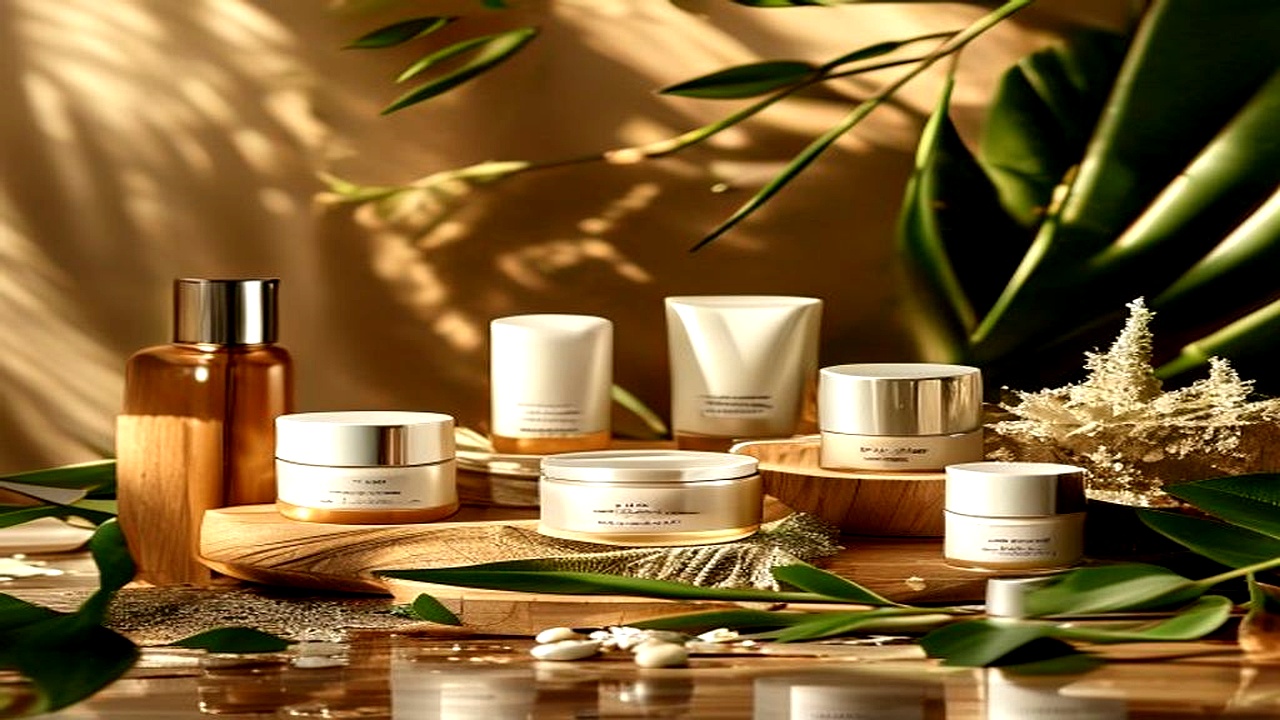
Today we will learn how to use this sleeping mask correctly, which type of sleeping mask is suitable for which skin type, and how incorporating it into your nighttime routine will make your skin glowing, soft and young!
What is Sleeping Mask and Why Use It?
Sleeping Mask is a type of leave-on overnight treatment that keeps the skin hydrated and deeply repaired overnight. It is more concentrated than a normal moisturizer and works from the top layer of the skin to the deep layer.
At night when we sleep, our skin repairs itself through the process of Cell Turnover. This is when the skin receives the most oxygen and flushes out toxins. Sleeping Mask helps this process and provides more nutrients to the skin.
The main advantages of sleeping masks are:
- Deep Hydration: Keeps skin hydrated overnight, resulting in fresh and plump skin in the morning.
- Skin Barrier Repair: Strengthens the skin’s protective layer, leaving the skin protected and reducing sensitivity.
- Brightening Effect: Reduces melanin production to even out skin tone and help reduce dark spots.
- Anti-Aging Benefits: Reduces fine lines and wrinkles by increasing collagen production.
- Soothing & Calming: Reduces inflammation and keeps the skin calm.
So to say, Sleeping Mask is like giving the skin a spa-like treatment overnight!
Which sleeping mask is suitable for which skin type?
Although Sleeping Mask is useful for all skin types, it is important to select its ingredients according to skin type. Below are examples of sleeping masks suitable for different skin types:
| Skin Type | Appropriate Material | Special Instructions |
|---|---|---|
| Dry Skin | Hyaluronic Acid, Ceramides, Squalane | Choose a sleeping mask that is more concentrated so that the skin stays hydrated throughout the night. |
| Oily Skin | Niacinamide, Tea Tree Extract, Aloe Vera | Choose a formula that calms skin while controlling oil. |
| Combination Skin | Panthenol, Glycerin, Allantoin | Helps reduce excess oiliness in the T-zone. |
| Sensitive Skin | Chamomile Extract, Centella Asiatica, Oat Extract | Choose a sleeping mask that is fragrance free and rich in gentle ingredients. |
| Mature Skin | Helps keep skin tight by increasing collagen production. | |
| Acne prone skin | Salicylic Acid, Zinc PCA, Tea Tree Oil | Helps reduce acne inflammation. |
Make sure to do a Patch Test when choosing a sleeping mask according to your skin type. Before using a new product, apply it to a small area of the skin to see if there is any allergic reaction.
Correct rules for using Sleeping Mask
The rule of using Sleeping Mask is very simple but following some important steps increases its effectiveness. Below is a step-by-step guide on how to use it:
Step 1: Skin Cleansing
First remove all makeup, dust and excess sebum from the skin. Make sure that the skin is completely clean after using the cleanser. If there is any kind of makeup or sunscreen left on the skin, the benefits of the Sleeping Mask will not be fully available.
Step 2: Apply toner or essence
After cleansing, apply Toner or Essence to maintain the skin’s pH balance. This prepares the skin for the next step and helps the ingredients absorb better.
Step 3: Serum or facial oil (if needed)
If your skin is excessively dehydrated or sensitive, you can apply Hyaluronic Acid Serum or Facial Oil. This will provide more nutrients to the skin and increase the effectiveness of the Sleeping Mask.
Step 4: Apply Sleeping Mask
Now the main work will begin! The rules of using Sleeping Mask are:
- Amount: A pea-sized amount is enough to apply on the face and neck. Applying too much can make the skin feel heavy and clog the pores.
- Method: Apply by gently massaging from the center of the face outwards. Don’t forget to apply it on the neck as well.
- Focus area:
- For dry skin, apply more around cheeks and eyes.
- For acne-prone skin, apply gently to inflamed areas.
- For mature skin, apply more to forehead, cheeks and chin.
Step 5: Light moisturizer (if needed)
Some sleeping masks are very thick. In that case, if the skin feels heavy, then you can apply a lightweight moisturizer. However, this is not necessary for all Sleeping Masks.
Step 6: Going to sleep
Finally, after applying the sleeping mask, let it dry completely. Then go to sleep. Wake up in the morning with fresh and glowing skin!
Important Tips:
- Using the Sleeping Mask twice weekly is enough when using it for the first time. If the skin gradually accepts it, it can be used daily.
- If the Sleeping Mask contains Retinol or Exfoliating Acid, apply it after using sunscreen. Because these ingredients make the skin sensitive to sun damage.
- If the skin has extra sensitivity, rest the skin before using the Sleeping Mask. That is, don’t use any exfoliating products for a few days.
Ingredients of different types of sleeping masks and their benefits
Sleeping masks contain a variety of ingredients that benefit the skin in different ways. Below are some popular ingredients and their benefits:
| Elements | Benefits | Special Instructions |
|---|---|---|
| Hyaluronic Acid | Keeps skin deeply hydrated and increases skin elasticity. | Ideal for dry and sensitive skin. |
| Niacinamide | Evens skin tone, tightens pores and controls oil. | Suitable for all skin types. |
| Retinol | Increases collagen production and reduces fine lines and wrinkles. | Ideal for mature skin. But use with caution on sensitive skin. |
| Peptides | Increases skin elasticity and keeps skin tight. | |
| Glycolic Acid | Exfoliates dead skin cells and brightens skin. | Suitable for all skin types but use less on sensitive skin. |
| Ceramides | Strengthens the skin’s protective layer and keeps the skin protected. | Ideal for dry and sensitive skin. |
| Centella Asiatica | Keeps skin calm and reduces inflammation. | Ideal for sensitive and acne prone skin. |
Mistakes that should not be done while using Sleeping Mask
Due to some common mistakes while using Sleeping Mask, it can have adverse effects on the skin. Below are the errors and their solutions:
- Excessively applied:
Many people think that the skin will get more benefits if more sleeping mask is applied. But in reality, applying too much can clog the pores of the skin, resulting in the skin not being able to breathe. Besides, the extra heavy texture may cause skin irritation or breakouts.
Solution: Applying a pea-sized amount while using Sleeping Mask is sufficient. Use less than the recommended amount if necessary.
- Falling asleep without drying off completely before going to sleep:
Many fall asleep without waiting for a few minutes at a time. As a result, the Sleeping Mask spreads on the bed before it is fully absorbed or does not blend well with the skin. Due to this, the essential elements of the skin cannot work fully.
Solution: Wait at least 5-10 minutes after applying sleeping mask so that it gets absorbed into the skin. Then go to sleep.
- Using multiple heavy skincare products at the same time:
For example, using heavy facial oil, thick cream or any other heavy skincare product together with sleeping mask can overload the skin. As a result, the skin’s own moisturizing ability can be lost and the skin’s natural balance can be disrupted.
Solution: Avoid using other heavy products while using Sleeping Mask. If necessary, use a light moisturizer or a product suitable for your skin type.
- Not selecting sleeping mask according to specific skin type:
Not all sleeping masks are suitable for all skin types. For example, using a heavy cream-based sleeping mask for oily skin can lead to breakouts. Again, a light gel-based sleeping mask may not be enough for dry skin.
Solution: Choose Sleeping Mask according to your skin type. Choose a gel or water-based sleeping mask for oily skin, a cream or butter-based sleeping mask for dry skin, and a fragrance-free sleeping mask for sensitive skin.
- Using beyond specified time:
Many people think that Sleeping Mask will be more beneficial if left on the skin for a long time. But in reality, using it over a certain period of time can clog the pores of the skin or disrupt the skin’s normal repair process.
Solution: Follow the prescribed time of using Sleeping Mask. Usually sleeping masks made for overnight use should not be washed off in the morning. But avoid using it more than the specified time.
Short List of Mistakes to Avoid While Using Sleeping Mask
| errors | Potential Impact | Solution |
|---|---|---|
| Excessively applied | Closure, Irritation, Breakout | Apply a pea-sized amount |
| Falling asleep without drying off completely before going to sleep | Components not working properly | Wait 5-10 minutes |
| Using multiple heavy skincare products at the same time | Skin overloaded, normal balance disturbed | Avoid using heavy products |
| Not selecting sleeping mask according to specific skin type | Using products that are not suitable for the skin type can aggravate skin problems | Select Sleeping Mask According to Skin Type |
| Using beyond specified time | Closing of pores, disrupting the normal repair process | Follow the indicated time |
Some more important tips about skin care after using Sleeping Mask
Not only the night routine ends after using Sleeping Mask. There are some important things to keep in mind regarding skin care the next morning so that the skin is healthy and the benefits of Sleeping Mask are fully reaped.
- Skin cleansing in the morning:
After using the sleeping mask, the skin should be cleaned first after waking up in the morning. Because if the residue of the sleeping mask used overnight remains on the skin, it can close the pores.
How to: Cleanse the skin with a mild face wash or cleansing milk. Use a gel-based cleanser for oily skin and a cream-based cleanser for dry skin.
- Using toner:
Using a toner after cleansing the skin maintains the pH balance of the skin and helps the subsequent skincare products to be better absorbed.
Which toner to use: Toners with alpha acids (AHA/BHA) are suitable for oily skin. Use fragrance free and mild toners for sensitive skin.
- Morning skincare routine:
After using the sleeping mask, your morning skincare routine can include a light moisturizer, sunscreen and, if necessary, a vitamin C serum.
Why it is needed: Using sunscreen can protect the skin from the harmful effects of UV rays. Vitamin C serum improves skin radiance and acts as an anti-oxidant.
- Monitoring skin condition:
Observe whether you notice any changes in the skin after using the Sleeping Mask. For example, note any excess oiliness, dryness, redness or breakouts on the skin.
What to do: If there are any adverse effects on the skin, reduce the amount of sleeping mask or use another type of sleeping mask. Consult a skin specialist if necessary.
Some Popular Brands For Sleeping Mask Use And Their Specialties
Different types of sleeping masks are available in the market. But not all are suitable for everyone. It is important to choose the right sleeping mask based on your skin type and needs. Below are some popular brands and their specialties:
| Brand Name | Product Name | Features | Best Skin Type |
|---|---|---|---|
| Nilavy | Repair & Glow Sleeping Mask | Enriched with hyaluronic acid, niacinamide and squalane. Repairs the skin barrier and brightens the skin. | All types of skins |
| Laneige | Water Sleeping Mask | Hydrating gel-based formula. Deeply hydrates the skin and keeps the skin fresh in the morning. | Oily and Combination Skin |
| Dr. Jart+ | Cryo Rubber Sleeping Mask | Sleeping Mask with rubber texture that provides cooling sensation. Cools the skin and reduces inflammation. | Sensitive and Oily Skin |
| Tatcha | The Dewy Skin Cream Sleeping Mask | Luxury Cream-Based Sleeping Mask. Deeply moisturizes the skin and enhances skin radiance. | Dry and combination skin |
| Cosrx | Ultimate Nourishing Rice Overnight Spa Mask | Enriched with rice extract. Nourishes skin and improves skin texture. | All skin types, especially sensitive skin |
Conclusion
Sleeping mask is a tool of skin care that helps to deeply repair and hydrate the skin at night. But it is not enough to just use Sleeping Mask – its proper use and some important things should be kept in mind. For example, choosing a sleeping mask according to your skin type, using the indicated amount, waiting for it to be completely absorbed before going to sleep and cleaning the skin in the morning and following the next skincare routine.
Furthermore, some common mistakes should be avoided while using Sleeping Mask. For example, over-applying, using multiple heavy skincare products at the same time or over a certain period of time. By avoiding these mistakes, the health of the skin will be good and the benefits of Sleeping Mask will be fully available.
Finally, remember that skin care is a continuous process. Instead of relying on just one product or one routine, choose the right product for your skin’s needs and follow a regular skin care routine. Then within a few weeks you will notice a change in your skin.
Before adding a sleeping mask to your skin care routine,

About the Author
Maria is a beauty expert and skincare enthusiast dedicated to helping readers make confident, informed choices about their daily routines. With years of hands-on experience evaluating top skincare, haircare, and cosmetic trends, she cuts through the hype to deliver honest product recommendations, expert tips, and clear, practical advice you can rely on.