How to Use a Clay Mask Without Stripping Your Skin’s Moisture
Clay masks are a timeless skincare hero—especially for oily, acne-prone, or congested skin. They absorb oil, tighten pores, and give a fresh, matte finish. But many have seen that the skin feels dry or even irritated after using the clay mask. In fact, if this type of mask is not used properly, it can damage the skin’s natural moisture barrier.
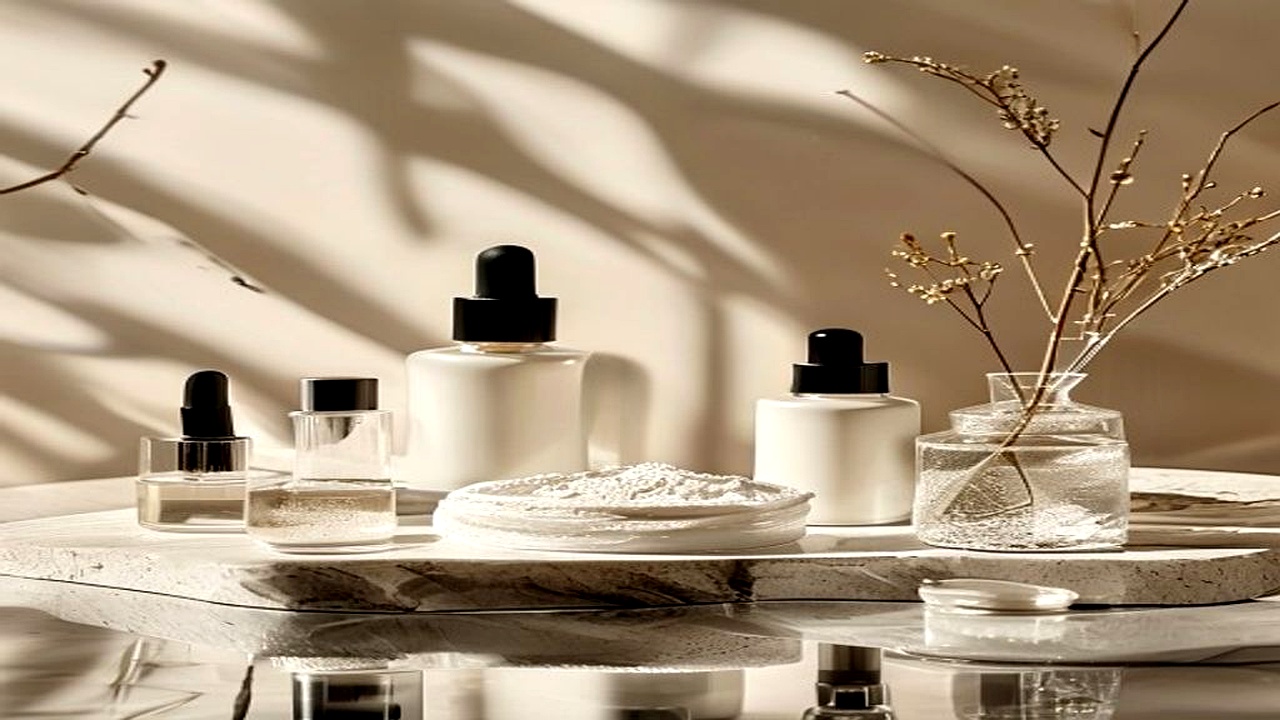
In this article, we will explain how to use a clay mask to protect the moisture of the skin, and how to apply it properly so that the skin is hydrated, healthy, and glowing.
Why Clay Masks Can Dry Out Your Skin
The main function of clay masks is to absorb excess sebum (oil) and impurities. But there are some common types of clay that can have an additional drying effect:
- Bentonite Clay: The most absorbent clay, which cleans the pores deeply but if used too much, the skin may become tight.
- Kaolin Clay: Suitable for gentler, sensitive skin.
- French Green Clay: Good for oil control, but may be irritating for some sensitive skin.
Bentonite has the most drying effect among these clays because it absorbs more sebum. As a result, the skin’s natural oils are also lost, resulting in dehydration.
Also, if there is alcohol, menthol, or strong fragrance in the clay mask, it increases the skin irritation.
How to protect the skin’s moisture if you use Clay Mask correctly
Using a clay mask doesn’t deplete skin’s moisture—it just depends on how you apply it. If you follow the following tips, you will get the benefits of clay mask and the moisture of the skin will remain intact:
1. Prep Your Skin Properly
The skin should be well prepared before applying the clay mask. For:
- Cleanse gently: First wash your face with a mild cleanser. If you use a harsh cleanser, the skin’s natural oils will go away.
- Steam or warm towel: Keep the face with a warm towel for 1-2 minutes or take face steam. It opens the pores and increases the effectiveness of the clay mask.
- Exfoliate (optional): If the skin has dead skin cells, then you can use a gentle exfoliator (such as lactic acid or PHA). But exfoliating too much can cause skin barrier damage.
2. Choose the Right Clay for Your Skin Type
Not all clays are suitable for all skin types. Choose clay according to your skin type by looking at the table below:
| Skin Type | Best Clay | Why? |
|---|---|---|
| Oily/Acne-Prone | Bentonite Clay, French Green Clay | These clays absorb more sebum, resulting in cleaner pores. |
| Combination | Kaolin Clay, Rose Clay | Stays gentle, but also helps control oil. | Dry/Sensitive | Kaolin Clay, White Clay | Less absorbent, less irritation. |
| Normal | all types of clay | Any clay can be used, but Bentonite can be more drying. |
3. Mix Clay Mask with Hydrating Ingredients
Mix some ingredients with the clay mask that will keep the skin hydrated. For example:
- Rose Water: Soothing and hydrating, reduces irritation.
- Aloe Vera Gel: Gives a cooling effect and keeps the skin moisturized.
- Honey: Natural humectant, which locks moisture in the skin.
- Yogurt: Contains lactic acid, which provides gentle exfoliation and keeps skin soft.
Example Formula:
1 tbsp Bentonite Clay
1 tbsp Rose Water
1 tsp Aloe Vera Gel
1 tsp Honey
This mixture should be mixed well before applying so that there are no lumps.
4. Don’t Leave Clay Mask on Too Long
Timing of clay mask is very important. Usually:
- Oily/Acne-Prone Skin: 10-15 minutes. If kept for a long time, the skin may become tight.
- Dry/Sensitive Skin: 5-8 minutes. Keeping it for a long time can cause irritation.
- Combination/Normal Skin: 10 minutes.
When you see the mask is completely dry, wash it off immediately. If it is too dry, it can pull moisture from the skin.
5. Rinse with Lukewarm Water
Mask wash time:
- Lukewarm water: Using hot or cold water can cause skin irritation.
- Soft washcloth: Wipe gently with a soft washcloth. Scrubbing can irritate the skin.
- Toner (optional): After washing the mask, you can use an alcohol-free toner to maintain the pH balance of the skin.
6. Apply Hydrating Serum & Moisturizer Immediately
Clay mask to lock the skin’s moisture after washing:
- Hyaluronic Acid Serum: Draws moisture into the skin and keeps it hydrated.
- Niacinamide Serum: Repairs skin barrier and reduces redness.
- Lightweight Moisturizer: Use a gel-based moisturizer (such as one containing aloe vera or ceramides). It is better to avoid heavy cream.
If the skin becomes dry, then you can use an occlusive moisturizer (such as petroleum jelly).
Clay Mask Routine: Step-by-Step Guide
Here’s what a complete clay mask routine should look like:
- Step 1: Cleanse
- Wash face with mild cleanser.
- Choose an alcohol-free cleanser to maintain the skin’s pH balance.
- Step 2: Steam or Warm Towel
- Take face steam or hold the face with a warm towel for 1-2 minutes.
- Step 3: Apply Clay Mask
- Apply the pre-mixed clay mask on the face, avoiding the eye area.
- Apply as a thin layer so that it doesn’t dry too much.
- Step 4: Wait & Monitor
- Wait 10-15 minutes. Wash off when you see the mask completely dry.
- Step 5: Rinse & Tone
- Wash gently with Lukewarm water.
- Fix the skin’s pH balance with an alcohol-free toner.
- Step 6: Hydrate & Moisturize
- Apply hyaluronic acid serum.
- Seal with a lightweight moisturizer.
- If necessary, use occlusive moisturizer.
Frequency of Clay Mask: How often to use?
Clay mask frequency depends on your skin type:
- Oily/Acne-Prone Skin: Weekly 1-2 times. If you use too much, the skin may become tight.
- Combination Skin: Weekly 1 time.
- Dry/Sensitive Skin: Bi-weekly (1 time in 2 weeks) or 1 time in a month. Excessive use may cause irritation.
- Normal Skin: Weekly 1 time.
Important: If your skin is sensitive or has any irritation, do a patch test before using the clay mask.
Clay Mask Alternatives If Skin Becomes Very Dry
If you find that your skin is dry after using a clay mask, there are some alternatives that provide the same benefits but with less drying effect:
- Charcoal Mask: Oil control but less drying than clay.
- Mud Mask: Masks containing Dead Sea mud or volcanic mud are gentler.
- Enzyme Mask: Masks containing papaya or pineapple extract remove dead skin cells but also moisturize.
- Sheet Mask: Hydrating sheet masks do not cleanse like clay masks, but deeply moisturize the skin.
Common Mistakes to Avoid with Clay Masks
Many people make some common mistakes while using clay mask which can damage the skin. Keep the following points in mind:
- Overusing: Using clay mask more than 2 times weekly can damage the skin’s moisture barrier.
- Leaving it on too long: When the mask is completely dry, it pulls moisture from the skin. Keep it until it dries completely.
- Using harsh ingredients: Mixing alcohol, menthol, or strong fragrance with clay mask may cause irritation.
- Not moisturizing after: Must apply serum and moisturizer after clay mask wash. If not, the skin may become tight.
- Applying on broken skin: If the skin has cuts, wounds, or severe acne, do not use clay mask.
Final Thoughts: Success depends on the correct use of Clay Mask
Clay mask works as a powerful skincare tool, but if you don’t know how to use it properly, it can be dangerous for the skin. If you follow all the above tips—from prep to applying hydrating serum and moisturizer—you will get all the benefits of the clay mask. As a result, the skin will be deeply cleansed, balanced, and will not lose its natural glow. Remember, the main purpose of clay mask is to remove impurities and tighten pores, but at the same time it is equally important to protect skin’s moisture and barrier.
If you keep this routine consistent, you will see your skin becoming more healthy and radiant than before. But always keep one thing in mind: quality over quantity. Using too much clay mask can be harmful to the skin. So using it 1-2 times a week is enough, and less if you have sensitive skin.
If your skin is sensitive or has any irritation, it is best to consult a dermatologist. They can suggest the most suitable clay mask and routine according to your skin type. Another important thing is that patch test should always be done before using clay mask. Try applying a little mask on the elbow or behind the ear, if any irritation or redness occurs, then that product is not for you.
Finally, if the skin feels tight or dry after using the clay mask, don’t forget to hydrate it immediately. If you apply a good hydrating serum and moisturizer, the skin will regain its balance. And most importantly, listen to your skin. If a product or routine isn’t comfortable for your skin, skip it and try something else.
Happy masking! 🌿✨
Best Practices for Clay Masks: A Quick Checklist
If you keep some important things in mind before and after using clay mask, it will be more beneficial for your skin. Follow the checklist below:
- Prep Your Skin: Clean your face first so that the particles of the clay mask can easily grip the impurities.
- Choose the Right Clay: While Bentonite clay is good for all skin types, Kaolin clay is more gentle for sensitive skin.
- Mix with Hydrating Ingredients: Adding ingredients like rose water, aloe vera gel, or honey will reduce the drying effect of the mask.
- Don’t Overdo It: Don’t keep the mask on your face for more than 5-10 minutes. If kept for a long time, the moisture of the skin may be lost.
- Rinse with Lukewarm Water: Using hot water can tighten the pores, so rinse with lukewarm water.
- Apply Hydrating Serum & Moisturizer: Apply serum and moisturizer immediately after using the mask so that the skin regains its moisture.
- Patch Test: Test on a small area before using for the first time to avoid any irritation.
- Frequency: If you have sensitive skin, you can use it once a week, and if you have normal to oily skin, you can use it twice a week.
Which ingredients are best for clay mask?
Clay mask is more beneficial for the skin if it is mixed with some hydrating and soothing ingredients. See the table below:
| Ingredient | Benefits | Best For |
|---|---|---|
| Rose Water | Soothes irritation, hydrates, and anti-inflammatory | Sensitive skin, redness |
| Aloe Vera Gel | Deeply hydrates, calms inflammation, and repairs the skin barrier | Dry skin, irritation |
| Honey | Antibacterial, hydrates, and increases skin glow | All skin types (especially dry & sensitive) |
| Green Tea Extract | Antioxidant-rich, reduces inflammation, and tightens pores | Oily skin, acne-prone skin |
| Jojoba Oil | Lightweight moisturizer, skin barrier repair | Dry skin, sensitive skin |
Clay Mask Alternatives If Skin Becomes Very Dry
If your skin becomes dry or irritated after using a clay mask, there are some gentler alternatives that you can use. These alternatives will help to hydrate and soothe besides cleaning the skin.
- Honey Mask: Mix a little curd with pure honey and apply on the face. Wash off after 15-20 minutes. Honey is antibacterial and hydrating, so it is very good for the skin.
- Aloe Vera Gel Mask: Mix a few drops of rose water with aloe vera gel and apply on the face. Wash off after 10-15 minutes. Aloe vera provides deep hydration and reduces irritation.
- Oatmeal Mask: Mix oatmeal with milk or olive oil to make a paste. Apply on face and keep for 15 minutes. Oatmeal maintains the skin’s pH balance and reduces irritation.
- Cucumber Mask: Mix cucumber juice with a little yogurt and apply on the face. Wash off after 15 minutes. Cucumber keeps the skin cool and hydrated.
- Yogurt Mask: Mix plain yogurt with a little honey and apply on the face. Wash off after 15 minutes. Yogurt gives gentle exfoliation and makes skin soft due to lactic acid.
Conclusion
Clay mask is a great skincare tool, but if you don’t know how to use it properly, it can be harmful to the skin. If you follow all the above tips and guidelines, you will get all the benefits of the clay mask and can also protect the skin’s moisture and barrier. Remember, less is more—the frequency and timing of clay mask use can be a game-changer for your skin.
If your skin is sensitive or has any irritation, then it is better to consult a dermatologist. And always listen to your skin—if a product or routine isn’t comfortable for your skin, ditch it and try something else.
Finally, don’t forget to hydrate immediately after using the clay mask. Applying a good hydrating serum and moisturizer will help the skin regain its balance and retain its natural glow. So why the delay? Start the right clay mask routine today and see how your skin becomes healthy, balanced, and radiant!
Happy masking! 🌿✨

About the Author
Maria is a beauty expert and skincare enthusiast dedicated to helping readers make confident, informed choices about their daily routines. With years of hands-on experience evaluating top skincare, haircare, and cosmetic trends, she cuts through the hype to deliver honest product recommendations, expert tips, and clear, practical advice you can rely on.