Organize Skin Care Routine Using Active Serum Layering and Tools
Nowadays many people use serum in skincare, but confusion starts when multiple active ingredients have to be mixed. It is important to know the science of layering to understand whether your epidermis is absorbing properly, or the skin barrier is breaking or not. This deep-dive article will teach you how to apply actives like Niacinamide, Retinol, Vitamin C and what tools to improve application technique.
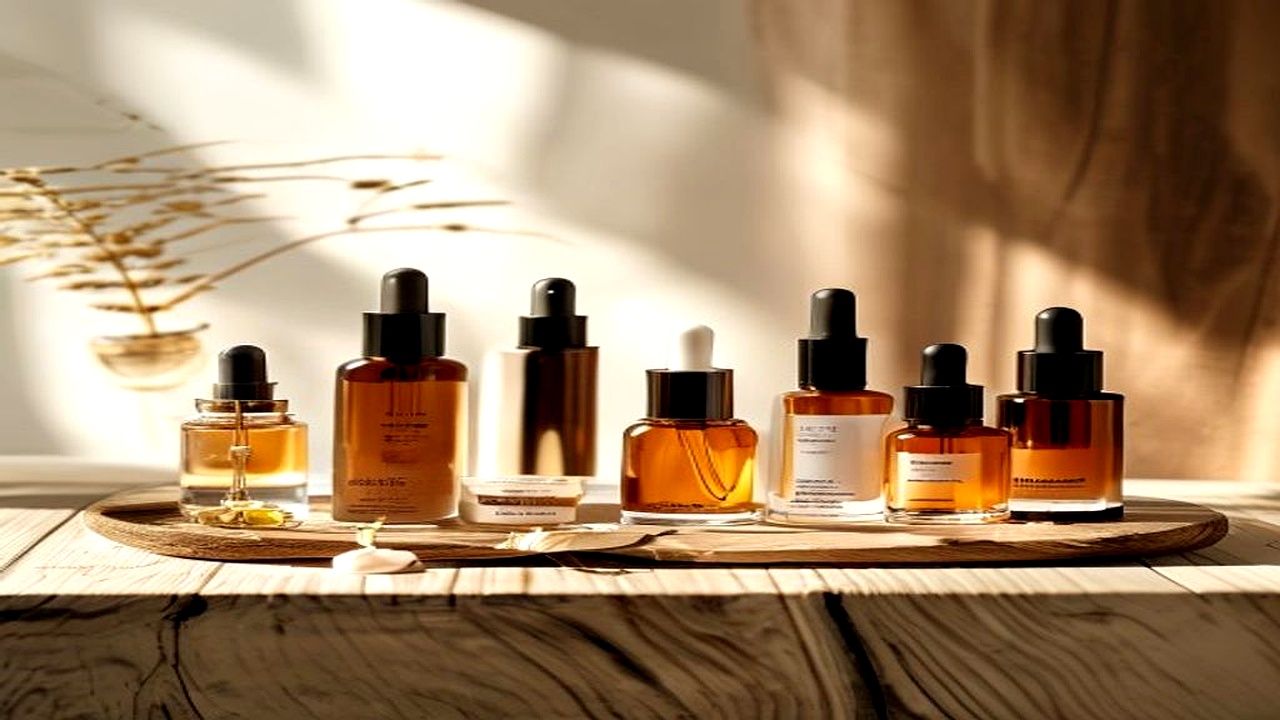
Why is serum layering important?
Natural oil made from our Sebaceous Gland and the Skin Barrier protect the skin from external irritants. But when you apply multiple serums together, pH conflict can occur. For example, applying very acidic Vitamin C and alkaline Retinol together can cause irritation or peeling. So the main purpose of layering is to get maximum efficacy without compromising the barrier.
Using the serum properly reduces hyperpigmentation, controls acne vulgaris and slows down fine lines. But if it is done wrong, the redness or dryness of the skin increases. So we will see step-by-step how to get started.
Basic Classification of Active Ingredients
In the table below we have given the common actives and their ideal use-cases so that you can easily understand which one to use when:
| Active Ingredient | Primary Function | Ideal pH Range | Best Paired With |
|---|---|---|---|
| Vitamin C (L-Ascorbic Acid) | Brightening, Antioxidant | 3.0 – 3.5 | Vitamin E, Ferulic Acid |
| Niacinamide | Sebum control, Barrier repair | 5.0 – 7.0 | Hyaluronic Acid, Peptides |
| Retinol | Cell turnover, Anti-aging | 5.5 – 6.5 | Ceramide, Squalane |
| Salicylic Acid (BHA) | Exfoliation, Acne treatment | 3.0 – 4.0 | Niacinamide, Hyaluronic Acid |
This chart shows that it is not safe to use all actives at the same time. You need separation in your routine—some in the morning, some at night.
Step-by-Step Layering Guide for Global Skin Types
Morning Routine (Protective Layering)
- Remove dirt from wet skin with cleanser.
- First apply a lightweight hydrating serum (such as Hyaluronic Acid) to help the epidermis retain moisture.
- Then apply Vitamin C Serum—because it acts as an antioxidant to reduce UV damage.
- Using Moisturizer and SPF 30+ at the end is mandatory.
Evening Routine (Repair Layering)
- Remove makeup and sunscreen by double cleansing.
- If using exfoliator (BHA/AHA), 2-3 times a week is enough.
- Balance oil production of Sebaceous Gland by applying Niacinamide Serum.
- The “sandwich method” is helpful before starting retinol: reduce the irritation of retinol with a moisturizer in between.
Through this sequencing, your skin barrier is strong and the actives work quietly.
How to upgrade Serum Application with Tools?
It is traditional to apply serum with fingers, but modern tools increase absorption and reduce product waste. I am discussing some effective options below:
1. Jade Roller or Stainless Steel Roller
This tool reduces puffiness by reducing peripheral blood flow as it is cold. After applying Vitamin C or Niacinamide, roll very lightly—this allows the serum to penetrate deeper into the epidermis. But do not press hard, otherwise capillary break may occur.
2. Microcurrent Device
It improves muscle tone with low-level electric waves. Using it 20 minutes after the retinol night routine increases product penetration. For those with mild Acne Vulgaris, start with a careful patch test.
3. Silicone Applicator / Spatula
For those who are conscious about hygiene, a Silicone Tool is best. Your hand oil does not mix with the serum, so the formulation remains pure. Especially in the case of Hyaluronic Acid or Peptide Serum, it is a game-changer.
4. LED Mask (Bonus Tool)
Skin barrier heals with red light therapy. If you do Niacinamide + Peptide layering, then use LED Mask for 10 minutes, and collagen synthesis is faster.
Common Mistakes that make your skin worse
Many people think “more is more” – if you apply 4-5 active serums together, the result will be faster. In fact, it breaks the skin barrier and causes hyperpigmentation or rash. Another mistake is not to disinfect tools; it is important to sterilize with alcohol wipe after use.
Some people start with Retinol at 1.0%. It is wise to build tolerance of 0.25% or 0.5% in the beginning. Clean brands like Nilavy usually give gradual strength so as not to increase sensitivity.
Sample Weekly Plan (Combination Skin)
| Day | Morning Actives | Evening Actives + Tools |
|---|---|---|
| Monday | Vitamin C + HA | Niacinamide + Retinol (Jade Roller) |
| Tuesday | Vitamin C + HA | BHA Exfoliator + Niacinamide (Silicone Applicator) |
| Wednesday | HA only | Retinol + LED Mask |
| Thursday | Vitamin C + HA | Niacinamide + Peptide (Microcurrent) |
| Friday | HA + Niacinamide | Retinol (Sandwich method) |
| Saturday | Vitamin C | BHA + Moisturizer (no active) |
| Sunday | Rest day (only Moisturizer) | Barrier repair Cream + Jade Roller |
This plan is general guidance; If you have severe Acne Vulgaris, consult a Dermatologist and adjust.
Nilavy Philosophy: Clean Layering for Real Results
Our Nilavy believes that skincare doesn’t have to be complicated. We formulate in such a way that Niacinamide and Peptide do not conflict together. When you apply with our Serum Tools, you will see the glow is sustained because the epidermis is healthy.
Remember, Skin Barrier is your long-term asset. No matter how strong the Active Ingredient is, if you don’t layer it wisely, you will get the opposite result. Make small changes today—maybe just add a Jade Roller or put Moisturizer before Retinol. Over time your skin will tell itself it is happy.
Relationship between Skin Barrier Function and Active Serum Layering
Skin barrier or the natural defense layer of the skin not only retains water, but also protects us from external irritants. When you apply multiple active serums, the barrier can be damaged due to incorrect layering. So Nilavy recommends always preparing a barrier with a lightweight moisturizer or essence at the beginning.
- Strengthen the barrier with Ceramide or Panthenol first.
- Use a buffered layer instead of applying strong actives such as Retinol or AHA directly to bare skin.
- Avoid over-exfoliation so that the skin barrier is not compromised.
How to Change Routine by Seasonal Adjustment
In humid climates like Bangladesh, we tend to lean towards lightweight Niacinamide serums in summers, while winters require a richer texture with Hyaluronic Acid. Seasonal change changes the oil and water balance of the skin, so it is important to adjust the layering steps and the use of tools.
- Summer: Apply cold only with watery serum and Jade Roller.
- Winter: Add a facial oil layer and use Microcurrent Device at low frequency.
- Monsoon: Antioxidants such as Vitamin C are more abundant during the day due to increased humidity.
How to Patch Test before launching new Active or Tool
Patch testing is part of Nilavy’s clean approach before using a new active ingredient or device such as an LED mask. It can avoid allergic reaction or sensitivity. Apply a small amount to calm areas of the skin such as the jawline and observe for 24 hours.
- When bringing in a new serum just put one active in the test.
- Make sure the device is clean before using the tool.
- Discontinue immediately if redness or burning sensation occurs。
Comparison of Active Serum Textures and Absorption Rate
The texture of different active serums is different and the layering order has to be fixed based on how quickly it penetrates the skin. The comparison table below is made for Nilavy users so that you can easily understand which one to apply first.
| Serum Type | Texture | Absorption Speed | Recommended Step |
|---|---|---|---|
| Hyaluronic Acid | Watery Gel | Fast | After Cleansing |
| Niacinamide | Light Lotion | Medium | Before Moisturizer |
| Retinol | Oil Based | Slow | Last Active Step |
| Vitamin C | Serum Liquid | Fast | Morning First |
Role of pH Level in Different Actives
Skin’s natural pH is roughly 5.5, but AHAs or BHAs such as Salicylic Acid work at a certain acidic pH. If you mistakenly apply Vitamin C with an alkaline cleanser, the efficacy is reduced. So use a pH-balanced wash first, says Nilavy.
- Vitamin C wants a pH close to 3.5.
- Niacinamide is tolerant to most pH ranges.
- Neutral skin is best for retinol.
Quick Recap Section
- Be aware of pH and ingredient conflict in serum layering.
- Vitamin C in the morning, Retinol/Niacinamide safe combination at night.
- Tools such as Roller or Microcurrent increase absorption but use lightly.
- Give Skin Barrier full rest one day per week.
This is how you can arrange your routine according to global standards. If you have questions, write to Nilavy’s expert panel—we

About the Author
Maria is a beauty expert and skincare enthusiast dedicated to helping readers make confident, informed choices about their daily routines. With years of hands-on experience evaluating top skincare, haircare, and cosmetic trends, she cuts through the hype to deliver honest product recommendations, expert tips, and clear, practical advice you can rely on.