Can Dirty Pillowcases Cause Face Acne Breakouts? Simple explanation and solution of science
Many of us spend a lot of time and money on costly skincare products, serums and treatments hoping for clear skin. But despite this, sometimes unwanted acne breakouts appear suddenly on the cheeks or around the jaw. We often blame it on hormonal imbalances or diet, but one very important thing we overlook is our pillowcase.
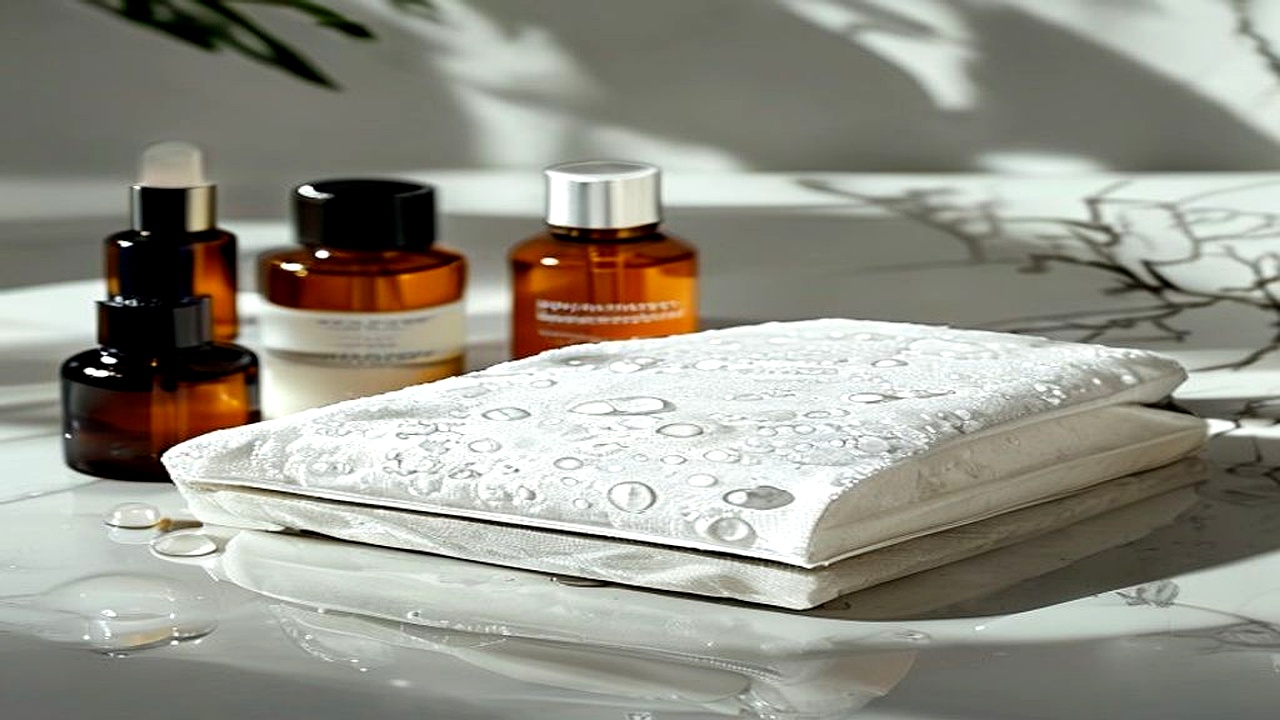
We spend about one-third of our lives sleeping. This means, every night our face is in direct contact with a fabric for 7 to 8 hours. Now the question is: Can dirty pillowcases cause face acne breakouts? The short answer is—yes, although not directly, a dirty pillowcase can become your skin’s biggest enemy. In this guide, we discuss how dirt from pillowcases destroys our skin barrier and causes acne, and how you can eliminate this problem with simple lifestyle changes.
—
The Invisible World of Pillowcases: What’s in Your Pillow?
At first glance a pillowcase may seem perfectly clean. But if you look at the microscopic level, you will be surprised. Every night when we sleep, several substances from our skin and hair are transferred to this fabric:
- Excess sebum: Sebum or natural oil is constantly released from our sebaceous glands at night, which is absorbed directly into the pillowcase.
- Dead skin cells: Our epidermis or the outer layer of the skin constantly goes through the shedding process. Every minute we lose thousands of dead skin cells, a large part of which accumulates on the pillow.
- Product residue: Heavy moisturizers, face oils, and especially hair care products (such as leave-in conditioners, hair oils, or hair sprays) from your nighttime skincare routine can coat the pillowcase.
- Sweat and saliva: It is a normal process to sweat or salivate during sleep, which moistens the pillowcase.
This mixture of sebum, dead skin cells and moisture creates an ideal breeding ground for bacteria. Especially Cutibacterium acnes (which is the main bacteria responsible for acne), reproduces quickly in this environment.
—
The Science: How Dirty Pillowcases Cause Acne on Your Skin?
In terms of medical science, even if a dirty pillow doesn’t directly cause new acne, it aggravates existing acne and creates an environment for new breakouts. This process happens mainly in two ways:
1. Pore clogging (closed pores)
When you toss and turn at night, the sebum, dirt and dead skin cells accumulated on your pillowcase the previous nights re-enter the open pores of your face. This process is called acne-re-deposition. When these elements are trapped inside the pores, the sebum flow is stopped and it forms microcomedones, which later transform into blackheads, whiteheads or painful inflammatory acne.
2. Acne mechanica (frictional acne)
The friction that our skin creates with the pillowcase during sleep is called Acne Mechanica in skincare terms. Rough fabric (such as rough cotton) causes microscopic tears in our skin barrier. Due to this weak skin barrier, skin moisture decreases and external bacteria can easily penetrate deep into the skin and cause infection and redness.
—
The Day-by-Day Pillowcase Buildup Timeline
If a pillowcase is used day after day without washing, it can be easily understood by looking at the table below:
| Duration (Days) | Status of Pillowcase (Accumulation Status) | Impact on Skin |
|---|---|---|
| Day 1 – 2 | A small amount of sebum and freshly shed dead skin cells begin to accumulate. | Generally safe for skin, unless you have highly sensitive skin. |
| Day 3 – 4 | Hair care product residue and sweat mix to form a thin sticky layer. Bacteria begin to reproduce. | Skin pores start to become slightly cluttered. Skin may appear somewhat dull. |
| Day 5 – 7 | Millions of bacteria, dead cells and a thick layer of oil form. | Skin barrier begins to weaken. Active breakouts and inflammation occur in acne-prone skin. |
| Day 7+ | It becomes a bacterial hotspot. Attacks by dust and dust mites occur. | Severe acne vulgaris, clogged pores and skin allergies can occur. |
—
Introduction to Fabric: Silk vs. Cotton Pillowcase
The type of fabric pillowcase you use has a significant impact on your skin health. Let’s take a look at the main differences between the two fabrics:
Cotton pillowcases:
Traditional cotton is highly porous and absorbent in nature. It absorbs all the sebum and moisture from your skin and hair like a sponge. As a result, the cloth gets dirty quickly and becomes a breeding ground for bacteria. In addition, because of the high coefficient of friction of ordinary cotton cloth, it causes more friction on the skin, which is responsible for acne mechanica and premature aging.
Silk or satin pillowcases:
On the other hand, pure mulberry silk or high-quality synthetic satin is smooth and non-absorbent in nature. It does not absorb natural oil or your expensive night cream from the skin. Friction with the skin is reduced by about 86% due to the smooth surface. As a result, the skin barrier is protected and the risk of friction-induced breakouts is reduced.
—
Effective Ways to Prevent Acne Caused by Dirty Pillowcase
Using costly skincare serums alone will not cure acne unless you keep your sleeping environment clean. Here are some actionable steps that should be followed from today:
1. Correct rules and frequency of washing pillowcase
- The 3-day rule: Change your pillowcase at least every 3 to 4 days (twice a week). If your skin is more acne-prone or oily, it’s safest to change your pillowcase every alternate day.
- Use mild detergent: Do not use any harsh synthetic fragrance or fabric softener when washing pillow covers. They leave a chemical layer on the fabric, which can cause contact dermatitis and acne on sensitive skin. Always choose fragrance-free and dye-free liquid detergent.
- Hot water wash: Wash pillow covers in hot water at least 60 degrees Celsius (60°C) to completely destroy bacteria and dust mites.
- Drying matters: Wet pillowcases create an ideal environment for bacteria. Always dry in sunlight or in a dryer on high heat.
2. Nighttime hair and skin care hygiene
- Must wash your face before going to sleep: Never go to bed with all-day makeup, sunscreen and pollution. Be sure to double cleanse with a gentle hydrating cleanser before bed at night.
- Tie your hair and sleep: Do not use hair oil or styling serum directly on your facial skin, so tie your hair gently or use a satin bonnet while sleeping at night.
- Allow time for skincare absorption: Don’t go to bed immediately after completing your night skincare routine. Wait at least 15 to 20 minutes after applying the serum or moisturizer so that the skin can fully absorb it.
- Hair washing frequency: Wash daily if hair is oily and every two days if dry. In case of oily hair, excess sebum can transfer to the face and cause acne.
3. Additional protection of pillowcase
In addition to ensuring the cleanliness of your pillowcase, there are additional measures that can be taken to help protect skin health:
- Use pillow protector: Place an extra protector under the pillowcase. This makes regular washing easier and acts as an extra layer of bacteria resistance.
- Choose antimicrobial fabric: Certain types of fabric such as bamboo or copper-infused pillowcases help prevent bacterial growth. They reduce the need for regular washing and provide additional protection for the skin.
- Reposition the pillow: If possible, reposition the pillow every few months or use a new pillow. Accumulated bacteria and dust mites in old pillows can cause acne.
4. Overall cleanliness of the sleeping environment
Skin cleanliness is not limited to pillowcases. It is very important to keep the entire sleeping environment clean:
- Change bed sheets regularly: Like pillowcases, bed sheets should be changed every week. This is especially important for those who sweat.
- Control house dust: House dust can cause acne if it comes in contact with the skin. Keep the house clean regularly and use an air purifier if possible.
- Change towels before going to bed: Towels used after wiping the face can also be a source of bacteria. Use a clean towel every day.
| Active Steps | Frequency | Special Considerations |
|---|---|---|
| Change pillowcase | Every 3-4 days (daily for acne-prone skin) | Use hot water wash and mild detergent |
| Bed sheet change | Every week | Change more frequently for people who sweat |
| Wash your face before sleeping | Daily | Use double cleansing and gentle cleanser |
| Sleep with hair tied | Daily | Use satin bonnet or hair tie |
| House dust control | Regular | Use air purifier |
5. How to keep pillowcase clean with natural ingredients
Some natural ingredients can be used to clean pillowcases in a chemical-free way:
- Tea tree oil: Mix a few drops of tea tree oil in water and spray. It is effective against bacteria.
- Vinegar wash: Using vinegar while washing removes bacteria and odors. Mix one cup of white vinegar with water and use it during the last wash.
- Baking soda: Adding a spoonful of baking soda while washing removes excess oiliness and leaves clothes soft.
6. Additional tips for acne prevention
Besides the measures above, following some additional tips will make acne prevention more effective:
- Skincare routine according to skin type: Use oil-free and non-comedogenic products for oily skin. Choose hydrating products for dry skin.
- Balanced diet: Excess sugar, milk and oily food contribute to the growth of acne. Eat healthy food.
- Drink enough water: Drink at least 8 glasses of water a day. It is helpful in protecting skin health.
- Stress management: Stress plays a role in acne growth. Ensure regular exercise, meditation and adequate sleep.
Conclusion
Relying only on skincare products is not enough to get rid of acne on your face. Even small daily lifestyle habits have a major impact on skin health. Pillowcase cleanliness, pre-sleep skin and hair care, and ensuring cleanliness of the entire sleeping environment are very important.
Start changing pillowcase every 3-4 days, do hot water wash, and use mild detergent. Cleansing the face before going to bed, sleeping with hair tied up, and taking care according to skin type will help prevent acne. Besides, keeping the pillowcase clean with natural ingredients and taking a balanced diet also play an important role in maintaining the health of the skin.
Remember, acne prevention is a continuous process. Making small changes to your skincare routine can see results quickly. So adopt these habits from today and have healthy, glowing skin.

About the Author
Maria is a beauty expert and skincare enthusiast dedicated to helping readers make confident, informed choices about their daily routines. With years of hands-on experience evaluating top skincare, haircare, and cosmetic trends, she cuts through the hype to deliver honest product recommendations, expert tips, and clear, practical advice you can rely on.