Can Oily Skin Skip Moisturizer? The correct Answer
One of the biggest debates in the skincare world is: Should we actually use moisturizer on oily skin? Many of us think that since oily skin already has a lot of natural oil or sebum, applying extra moisturizer will make the skin look more greasy and clog pores and trigger acne breakouts.
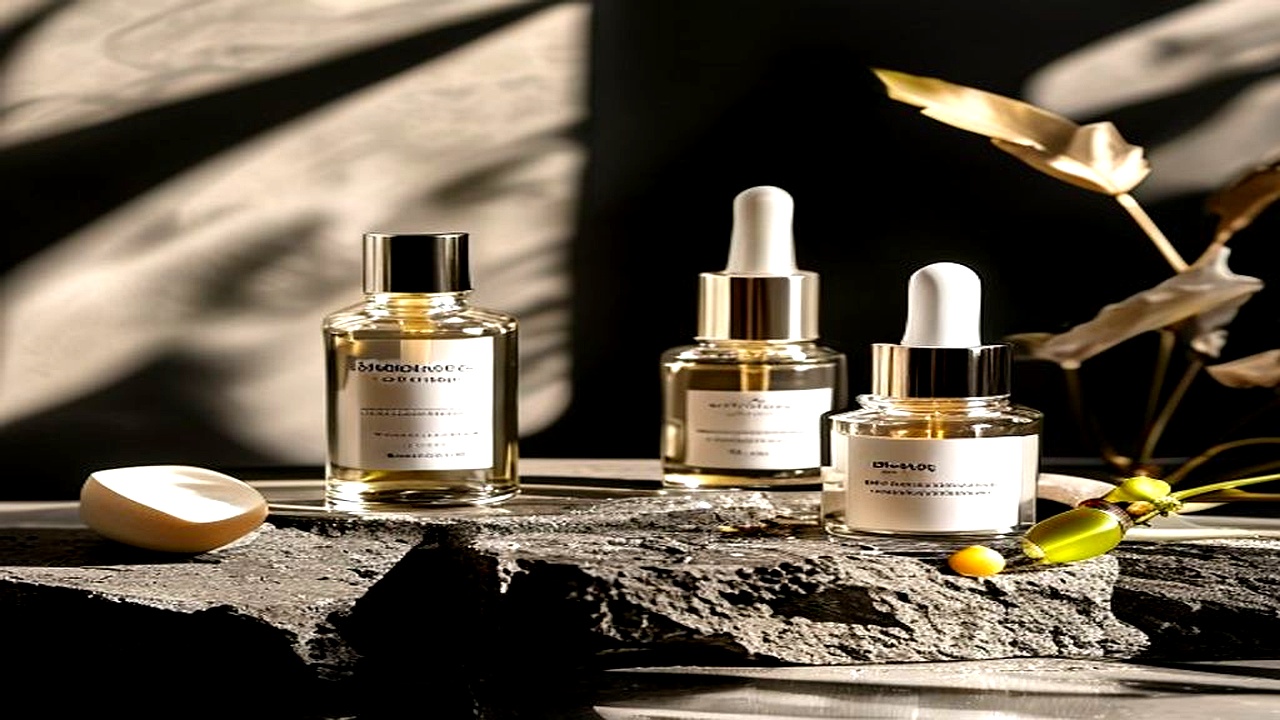
Based on this idea, many skip moisturizer completely from their daily skincare routine. But according to dermatologists and skin science, this is a poor practice. If your skin type is oily, skipping moisturizer can harm your skin barrier.
In today’s detailed guide, we’ll discuss why hydration is so important even for oily skin, and how you can control your sebum production by selecting the right lightweight formulations.
—
The Science of Oily Skin: Why Does Your Skin Overproduce Oil?
Sebaceous glands are located just below our epidermis or skin surface. The main function of these glands is to create a natural lipid complex called sebum, which keeps the skin lubricated and protected. Due to genetics, hormonal fluctuations (especially androgens), climatic changes, and an inappropriate skincare routine, these sebaceous glands can become overactive, resulting in excess shine and oiliness in the skin.
Here comes the most important scientific point: Oil and water are not the same thing.
Despite having a lot of sebum (oil) in your skin, there may be a lack of water in the skin. This condition is called dehydrated skin. When you stop applying moisturizer to keep the skin dry, the skin’s optimal hydration level decreases. As a result, the skin’s natural defense mechanism receives a signal that the skin is becoming very dry, and forces the sebaceous glands to produce more sebum to protect itself. This is a vicious cycle—the more dry you keep the skin, the more oil it produces.
—
Hydration vs. Moisture: Understand the Key Difference
The terms hydration and moisture are often confused in skincare science, but their functions are completely different. Understanding this difference is crucial in a humid climate like Odisha or Bangladesh.
| Parameter | Hydration (water supply) | Moisture (oil or moisture retention) |
|---|---|---|
| Target Problem | Dehydration (Lack of water in skin cells) | Dryness (Lack of natural lipids/oil in skin barrier) |
| Action | Increases water content in deep layers of skin. | Prevents water from escaping by creating a protective seal on the skin surface. |
| Key Ingredients | Humectants (eg: Hyaluronic Acid, Glycerin, Panthenol) | Occlusives & Emollients (eg: Squalane, Ceramides, Shea Butter) |
| Relevance for Oily Skin | Essential! Helps to keep skin plump and healthy. | Required, but avoid heavy occlusives and choose lightweight emollients. |
The main goal for oily skin is to increase hydration and prevent transepidermal water loss (TEWL) through lightweight moisture, so that the skin remains balanced and healthy.
—
What Happens When Oily Skin Skips Moisturizer?
If you think that you are keeping your skin matte by skipping moisturizer, in the long run your skin may experience the following problems:
1. Compromised Skin Barrier and Sensitivity
Our skin barrier (stratum corneum) basically acts like a protective brick wall of lipids and cells. When you stop providing hydration and essential lipids, this barrier weakens. As a result, external pollutants, bacteria, and environmental stressors can easily penetrate deep into the skin, which increases redness, irritation, and sensitivity.
2. Rebound excess oil production
As explained earlier, skin becomes dehydrated when there is a lack of water in the skin. To compensate for this dehydration, the sebaceous glands become overactive and cause rebound hyperseborrhea. As a result, the skin becomes more oily and greasy than before.
3. Clogged Pores and Acne Vulgaris
When dead skin cells and external dust mix with excess sebum, pores become easily clogged. This creates an ideal breeding ground for bacteria called Cutibacterium acnes, which later lead to painful papules, pustules, and persistent acne vulgaris.
4. Premature Aging and Fine Lines
Dehydrated skin loses its elasticity and bounce quickly. This results in fine lines at the corners of the eyes, wrinkles on the forehead, and overall dull skin. Without adequate hydration, the optimal turnover rate of skin cells is disrupted, which causes the skin to age prematurely.
—
How to Choose the Perfect Moisturizer for Oily Skin
The main trick of using moisturizer on oily skin is to select the right formulation and ingredients. Choose lightweight and target-oriented formulations instead of heavy, thick creams. Because many people think that oily skin doesn’t need a moisturizer—this idea is incorrect. In fact, without using the right moisturizer, the skin itself begins to produce excess sebum, which later leads to clogged pores and acne. Hence, it is important to choose a moisturizer that will provide the skin with the hydration it needs without feeling greasy.
1. Opt for a Gel-based Moisturizer
The ideal choice for oily skin is a gel-based moisturizer or water-based formula. Such formulations are lightweight and get absorbed as soon as they are applied to the skin. They do not leave any greasy residue or heavy layer, due to which the skin stays fresh and matte throughout the day. Gel-based moisturizers are usually alcohol-free, which do not irritate the skin and provide long-term hydration.
If you are looking for a moisturizer that can be used during the day and works well under makeup, then the lightweight gel formula is ideal for you. For example, Nilavy’s Matte Hydrate Gel Moisturizer contains hyaluronic acid and niacinamide, which simultaneously provide hydration and help control sebum.
2. Look for Non-comedogenic Labeling
Always check your skincare product for non-comedogenic labeling. This means the product is formulated in a way that won’t clog your pores and reduces the chances of developing blackheads or whiteheads. This is very important for oily skin, because oily skin tends to have enlarged pores and easily accumulate debris.
Non-comedogenic moisturizers usually use lightweight ingredients like glycerin, aloe vera, and lightweight silicones (like dimethicone), which moisturize the skin but don’t clog pores. However, keep in mind that not all non-comedogenic products are suitable for all skin types—so choose a product based on your skin type.
3. Identify Key Ingredients
Having the following active ingredients in a clean formula is beneficial:
- Hyaluronic acid: It can hold up to 1000 times its own weight in water, which provides intense hydration to the skin without any greasiness. It helps keep the epidermis plump and smooth, thereby reducing the appearance of fine lines and wrinkles.
- Niacinamide (Vitamin B3): A powerhouse ingredient for oily skin. It regulates sebum production, visually minimizes pore size, and helps strengthen the skin barrier. Regular use improves skin texture and removes dullness.
- Salicylic acid (BHA): If your moisturizer contains mild BHA, it helps penetrate deep into pores to exfoliate excess oil and dead skin. It is useful for acne-prone skin and helps keep pores tight.
- Zinc PCA: A helpful ingredient for sebum control. It absorbs excess oil from the skin and helps keep the skin matte. It generally acts as an anti-inflammatory and reduces irritation.
- Tea tree extract: Known to be a natural antibacterial and antifungal. It helps eliminate acne-causing bacteria and keeps the skin calm. It is a valuable ingredient for oily skin.
4. Avoid Heavy Occlusives and Comedogenic Ingredients
When choosing a moisturizer for oily skin, avoid ingredients that can clog pores or create a heavy occlusive layer. The following ingredients are considered “comedogenic” and can be harmful to the skin:
- Coconut oil: Although known to many as a natural moisturizer, it is highly comedogenic for oily skin. It clogs pores and can cause acne.
- Cocoa butter: It is a heavy occlusive that creates a thick layer on the skin and closes the pores. It should be avoided completely for oily skin.
- Lanolin: It is a natural occlusive that creates a protective layer on the skin, but for oily skin it can clog pores.
- Petroleum jelly (petrolatum): Although it is used as a main ingredient in many moisturizers, it is heavy and greasy for oily skin. It creates a coating on the skin that can clog the pores.
Instead, choose ingredients that are lightweight and breathable. For example, squalane is a lightweight occlusive that forms a thin layer on the skin but does not clog pores. It is ideal for oily skin as it moisturizes the skin without feeling greasy.
5. Choose a moisturizer with SPF
In addition to using moisturizer during the day, it is important to use a moisturizer with SPF. When choosing an SPF for oily skin, choose a formula that is lightweight, non-greasy, and oil-free.
For example, Nilavy’s Daily Defense SPF 30 Matte Moisturizer contains niacinamide and zinc PCA, which simultaneously provide moisturization and UV protection. It is ideal for oily skin as it keeps the skin matte and protected throughout the day.
Remember, when choosing an SPF for oily skin, choose a product that:
- Is oil-free and non-comedogenic;
- Provides a matte finish;
- Provides broad-spectrum protection (both UVA and UVB);
- Is available in a water-based or gel-based formula.
6. Patch Test and Gradual Introduction
Always patch test before using a new moisturizer. This will help you know if the product is suitable for your skin. To test the patch:
- Apply a small amount of product on the inside of your hand or behind the ear;
- Wait 24 to 48 hours;
- Observe for any irritation, redness, or breakout;
- If no adverse reaction is observed, then you can safely use the product.
Also, follow the gradual introduction when using a new product. Use 2-3 times a week initially and gradually increase the frequency. This will help your skin adapt to the new product and prevent any adverse reactions.
Where to Find the Best Moisturizers for Oily Skin
Now that you know the importance of choosing the right moisturizer for oily skin, let’s take a look at which brands and products might be ideal for you.
There are many high-end, clean skincare brands on the market today that make products specially formulated for oily skin. Below is a list of some popular brands and their popular products:
| Brand | Product Name | Key Ingredients | Price Range (Approx.) |
|---|---|---|---|
| Nilavy | Matte Hydrate Gel Moisturizer | Hyaluronic acid, Niacinamide, Zinc PCA | $32 – $38 |
| The Ordinary | Natural Moisturizing Factors + HA | Amino acids, Hyaluronic acid, Glycerin | $10 – $15 |
| Paula’s Choice | Omega+ Complex Moisturizer | Omega fatty acids, Niacinamide, Licorice root extract | $35 – $42 |
| Tatcha | The Water Cream | Leithin, Japanese botanicals, Hyaluronic acid | $52 – $60 |
| CeraVe | Facial Moisturizing Lotion (Oil-Free) | Ceramides, Hyaluronic acid, Niacinamide | $12 – $18 |
Apart from these brands, you can also try products from locally available brands like Lakmé 9 to 5 Weightless Mousse or Mamaearth Oil-Free Moisturizer. However, always know the ingredients and formulation of the product and match it with your skin type.
DIY Moisturizer Recipes for Oily Skin
If you want to make your own moisturizer with natural ingredients, then some simple DIY recipes below may be useful for you. However, keep in mind that DIY moisturizers usually have a short shelf life and are prone to bacterial contamination. So, make small quantities and store in the fridge.
Aloe Vera and Cucumber Gel Moisturizer
This moisturizer is helpful for oily skin as it cools the skin and helps absorb excess oil.

About the Author
Maria is a beauty expert and skincare enthusiast dedicated to helping readers make confident, informed choices about their daily routines. With years of hands-on experience evaluating top skincare, haircare, and cosmetic trends, she cuts through the hype to deliver honest product recommendations, expert tips, and clear, practical advice you can rely on.