Barrier Creams: What They Are, How They Work, and When to Use Them
Introduction: Why Your Skin’s Barrier Needs Protection
Your skin is under a lot of stress every day—from outdoor pollution, UV rays, harsh cleansers, and even weather changes. All these together can damage the skin’s most important protective layer, called the Skin Barrier or Lipid Barrier. When this barrier is weakened, the skin becomes dry, sensitive, and even inflamed.
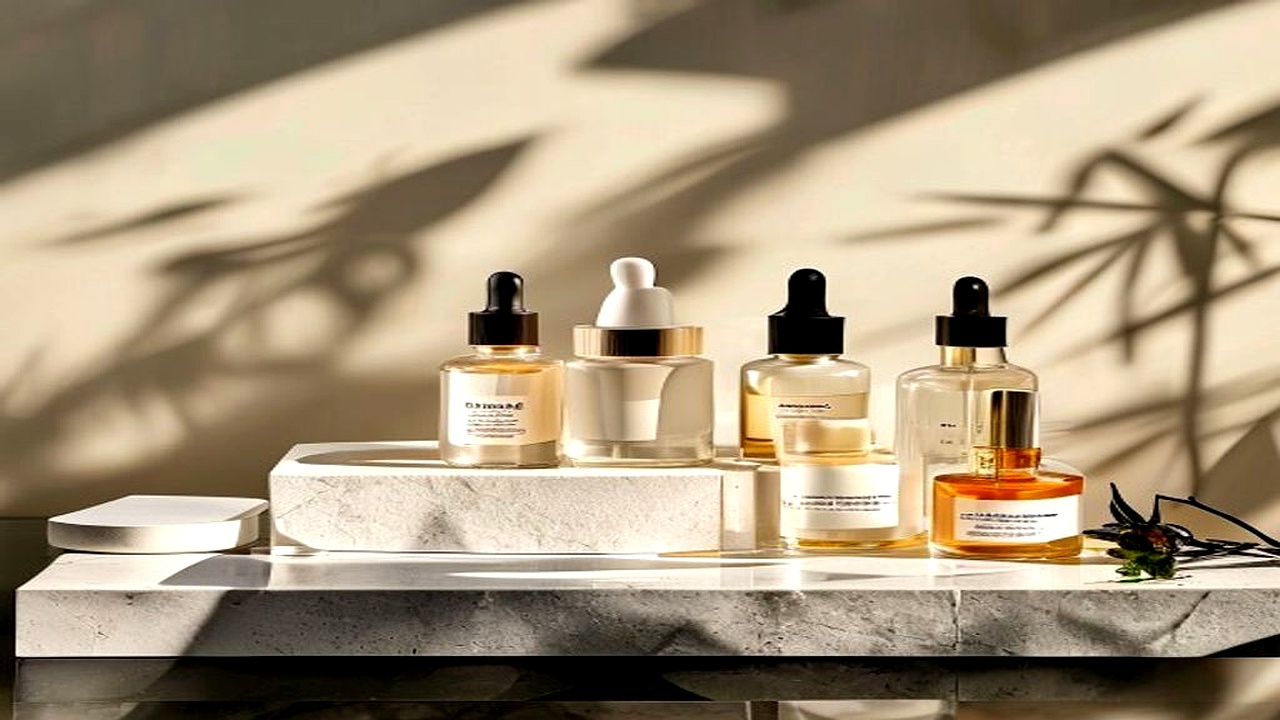
Barrier Creams work as a solution to this problem. These creams are not just moisturizers but are specially formulated to strengthen the skin’s natural defenses. Let’s learn all about barrier creams—how they work, when to use them, and which ingredients are effective.
What Are Barrier Creams? Understanding the Basics
Barrier Creams are skincare products that help rebuild and protect the skin’s Lipid Layer or Ceramide-rich Barrier. These usually contain Ceramides, Cholesterol, Fatty Acids, and other Occlusives (eg Petrolatum, Squalane).
The main functions of these creams are:
- Skin water retention (Hydration)
- Protection from Pollution, UV Rays, Harsh Weather
- Reducing skin inflammation (Reducing Redness & Irritation)
- Supporting Skin Repair
Barrier Creams vs. Regular Moisturizers: What’s the Difference?
Many people think barrier creams and regular moisturizers are the same thing, but there are actually a few differences between them.
| Feature | Barrier Creams | Regular Moisturizers |
|---|---|---|
| Primary Function | Rebuild and protect the skin’s lipid barrier | Retains water and provides light moisture to the skin |
| Key Ingredients | Ceramides, Cholesterol, Fatty Acids, Occlusives | Hyaluronic Acid, Glycerin, Lightweight Emollients |
| Best For | Dry, sensitive, damaged skin | Normal skin to oily skin |
| Texture | Dense, creamy, often heavy | Light to moderate concentration |
For example, if your skin is dry and cracked or has eczema, Barrier Cream will be more effective. On the other hand, if the skin is combination type and only needs a light moisturizer, then a normal moisturizer is enough.
How Barrier Creams Work: The Science Behind the Formula
The skin barrier is a layer called the Stratum Corneum, which is composed of dead cells and lipids. This layer holds the skin’s water and protects it from harmful external factors. When this barrier is weakened, the skin becomes:
- Dry and crusty
- Sensitive and easily irritated
- Red and inflamed
- Afflicted with acne or other skin problems
Barrier creams help rebuild this weakened barrier. Their main components are:
Key Ingredients in Barrier Creams
| Ingredient | Function | Best For |
|---|---|---|
| Ceramides | Reconstructs the skin’s Lipid Barrier and helps retain water | Eczema, hypersensitive skin, dry skin |
| Cholesterol | Strengthens skin cell structure and strengthens barrier | Aging Skin Damage, Damaged Barrier |
| Fatty Acids (Linoleic Acid, Oleic Acid) | Restores the skin’s natural lipids | Dry skin, dry areas of oily skin |
| Squalane | Acts as a light moisturizer and keeps the skin smooth | All skin types, especially sensitive skin |
| Petrolatum (Petroleum Jelly) | Forms a protective layer on the skin and prevents water loss | Very dry skin, cracked skin, cold weather |
| Niacinamide | Strengthens skin barrier and reduces inflammation | Sensitive skin, acne prone skin, red skin |
| Panthenol (Provitamin B5) | Helps in skin regeneration and reduces irritation | Damaged skin, eczema, sun damage |
These ingredients work together to restore the skin’s natural barrier and protect against future damage.
When Should You Apply Barrier Creams? The Right Time & Situations
Barrier Creams do not always need to be used. They are more effective in special situations. Mentioned below are some important times when Barrier Cream should be used:
1. After Cleansing (Use first)
Skin loses the most water after cleansing. So barrier cream should be applied immediately after using facial cleanser. This allows the skin to retain its water and avoid dryness.
Example:
- After waking up in the morning and washing your face with cleanser
- After removing makeup at night
2. In Cold or Dry Weather (especially necessary in winter)
Air humidity is low in winter and the skin loses water quickly. Apart from this, the house heater or air conditioner also makes the skin dry. If you use Barrier Cream at this time, the skin is hydrated and soft.
3. After Exfoliating (after exfoliating)
After using AHAs (Glycolic Acid, Lactic Acid) or BHAs (Salicylic Acid) the skin barrier is weakened. So barrier cream should be applied after exfoliation so that the skin can recover.
Example:
- After using Glycolic Acid once a week
- After Using Salicylic Acid for Acne
4. For Sensitive or Damaged Skin (for sensitive or damaged skin)
If skin is overly sensitive, has eczema, or is red due to sun damage, Barrier Cream should be used regularly. It soothes the skin and helps in regeneration.
5. Before Applying Makeup (before giving makeup)
Makeup creates a layer on the skin, which prevents the skin from breathing. By using Barrier Cream, the makeup sits evenly on the skin and the skin stays hydrated.
6. At Night (ideal for use at night)
At night the skin restructures itself. So if you use Barrier Cream at night, the skin can retain moisture throughout the night and the skin is fresh in the morning.
7. When Using Harsh Skincare Products (when using harsh skincare products)
Some skincare products such as Retinol, High-Percentage AHAs, or Benzoyl Peroxide can damage the skin barrier. Barrier cream should be applied after using this type of product.
How to Choose the Right Barrier Cream for Your Skin
Not all barrier creams are the same. You should choose the right barrier cream based on your skin type and needs. Consider a few things below:
1. Skin Type (skin type)
- Dry skin: A heavy, creamy barrier cream such as CeraVe Moisturizing Cream or La Roche-Posay Lipikar Balm AP+ will work well.
- Sensitive skin: Choose a barrier cream that contains Niacinamide, Panthenol, or Colloidal Oatmeal. Such as Avene Cicalfate+ Restorative Protective Cream.
- Oily skin: A light texture barrier cream such as Vanicream Moisturizing Cream or Eucerin Advanced Repair Cream can be used.
- Combination skin: A gel-cream type barrier cream such as Neutrogena Hydro Boost Water Gel is suitable.
2. Key Ingredients (important ingredients)
Choose ingredients according to your skin needs:
- If the skin is hypersensitive, choose a barrier cream rich in Ceramides and Cholesterol.
- If the skin is dry and cracked, use a cream rich in Petrolatum or Squalane.
- If the skin is inflamed, choose Barrier Cream with Panthenol or Allantoin.
3. Texture & Absorption (Texture & Absorption)
The texture of the barrier cream will depend on your skin type. Heavier creams are suitable for dry skin, but lighter gels or lotions are better for oily skin.
4. Fragrance & Irritants
For sensitive skin, choose a fragrance and alcohol-free barrier cream. Brands such as Vanicream or CeraVe generally use less irritating ingredients.
Step-by-Step Guide: How to Use Barrier Creams in Your Routine
If you know the correct rules for using Barrier Cream, its benefits are more. Below is a simple step-by-step guide to keep your skin barrier healthy and skin hydrated, soft and glowing:
Step 1: Prep Your Skin
Skin must be cleansed before using Barrier Cream. But care should be taken that the skin does not become excessively dry.
- Cleanser: Use a gentle, pH-balanced cleanser. For example – Nilavy’s Gentle Cleansing Gel.
- Toning: Rehydrate skin with an alcohol-free toner after cleansing.
- Avoid: Do not dry the skin completely after cleansing. It is better to apply Barrier Cream when it is slightly wet.
Step 2: Apply Barrier Cream on Damp Skin (Apply Barrier Cream on Damp Skin)
Applying Barrier Cream while the skin is still slightly damp allows it to absorb better and help the skin retain water.
- Wipe off excess water from the skin (by applying light pressure with a towel).
- Take a pea-sized amount of Barrier Cream and massage gently over face and neck.
- Apply evenly to the entire face, especially where the skin feels dry or tight.
Step 3: Layering with Other Products
Barrier Cream is often used as the first step in a skincare routine, but other products can also be used afterwards. But in that case the correct order should be followed.
| Product Type | Application Order | Example |
|---|---|---|
| Serum | Before or after Barrier Cream | Vitamin C Serum (morning), Hyaluronic Acid Serum (night) |
| Moisturizer | After Barrier Cream | Nilavy’s Hydra Repair Moisturizer |
| Sunscreen | Finally | Nilavy’s UV Shield SPF 50 |
Important: If you use a moisturizer right after the Barrier Cream, it will create a protective layer on the skin that will strengthen the skin barrier.
Step 4: Frequency of Use (How often to use?)
The frequency of use of Barrier Cream depends on your skin condition. Usually:
- Normal skin: Once a day (at night) or as needed.
- Dry or damaged skin: Twice a day (morning and night).
- Sensitive skin: Once or twice a day, but watch out for irritating ingredients.
- After exfoliation or laser treatment: Use every night until the skin is completely healed.
Step 5: Nighttime vs. Daytime Use (night vs day use)
Barrier Cream can be used both day and night, but the intended use is different.
- On:
- Protects the skin from external dust, pollution and harmful rays of the sun.
- Works as a base before makeup.
- Use in combination with sunscreen for better results.
- Night:
- Keeps the skin hydrated during the skin regeneration process.
- Helps repair the skin barrier.
- Helps in quick healing of damaged skin.
Step 6: Post-Application Tips
Following some simple rules after using Barrier Cream will give better results:
- Wash hands: Wash hands thoroughly after applying Barrier Cream to avoid contact with eyes or mouth.
- Use Adequate Amount: Use as much as needed, not too much.
- Monitor skin reactions: Discontinue use immediately if any adverse skin reactions occur after using a new product.
- Be patient: Barrier Cream may take some time to see results. Regular use will gradually improve the skin.
Common Mistakes to Avoid While Using Barrier Creams
Many people make some common mistakes while using Barrier Cream which can actually damage the skin. Let’s learn about those mistakes and how to avoid them below:
1. Over-Exfoliating Before Applying Barrier Cream
Excessive exfoliation damages the skin’s natural barrier. Exfoliation can be done before using Barrier Cream, but it should be done in moderation.
- The Right Rule: Use a gentle exfoliant 1-2 times a week. For example – AHA/BHA-based exfoliator.
- Avoid: Vigorous scrubbing or excessive rubbing.
2. Skipping Moisturizer After Barrier Cream
If you don’t use a moisturizer after using Barrier Cream, the skin may become dry. Barrier creams help retain water in the skin, but moisturizers hold onto that water more firmly.
- Example: Using Nilavy’s Hydra Repair Moisturizer after Barrier Cream leaves skin feeling more hydrated.
3. Using Barrier Creams with Harsh Ingredients
Some barrier creams may contain ingredients that are harmful to the skin. For example – Alcohol, Synthetic Fragrance, Parabens.
- Choose: Choose a barrier cream that contains ingredients like Ceramides, Cholesterol, Fatty Acids, Hyaluronic Acid, Niacinamide.
- Avoid: Alcohol-based or excessively perfumed products.
Conclusion
The skin barrier is the most important part of your skincare routine. It protects the skin, keeps it hydrated and makes it healthy and glowing. If you know the correct rules for using Barrier Cream, your skin will always be beautiful, smooth and bright.
But remember, everyone’s skin is different. So the barrier cream that worked for your girlfriend, may not work for you. Choose the right Barrier Cream according to your skin type and needs and use it regularly.
Products like Nilavy’s Barrier Cream will help strengthen your skin barrier. If you use it regularly, you will see that your skin is much healthier and more beautiful than before.
So don’t delay and add Barrier Cream to your skincare routine today and take care of your skin. Follow the right rules from the beginning to get beautiful skin.

About the Author
Maria is a beauty expert and skincare enthusiast dedicated to helping readers make confident, informed choices about their daily routines. With years of hands-on experience evaluating top skincare, haircare, and cosmetic trends, she cuts through the hype to deliver honest product recommendations, expert tips, and clear, practical advice you can rely on.