What is Hyaluronic Acid and Do You Really Need It? The Essential Hydration Guide
Here is the corrected text with the required changes:
What is the real secret behind healthy, glowing and plump skin? New trends come and go in the skincare world every year. But some ingredients reign over the years due to their effectiveness. One such key ingredient is Hyaluronic Acid (HA). If you’re even remotely interested in your skincare routine, you’ve probably heard of this ingredient at some point.
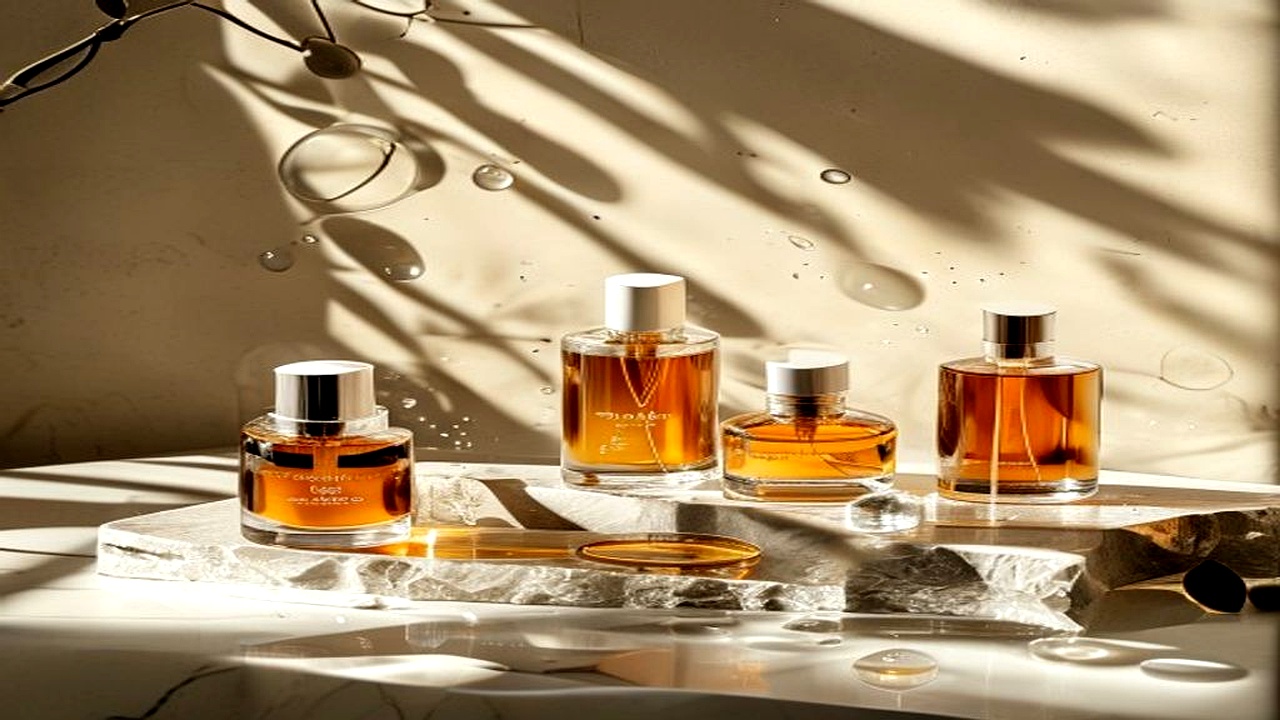
But the question is, What is Hyaluronic Acid and do you really need it? Is it really an important step for your skin or is it just a marketing hype? In today’s deep-dive educational guide, we’ll discuss the science behind Hyaluronic Acid, its benefits, different molecular weights, and how to properly use it in your routine—all in simple terms.
Nilavy Skincare Science-Note
Hydration is crucial to maintain our skin’s natural moisture balance. Hyaluronic Acid is a molecule that helps keep our skin plump and hydrated from within. Let’s know about its working method.
—
What is Hyaluronic Acid and how does it work?
Simply put, Hyaluronic Acid is a sugar molecule or polysaccharide naturally produced in our body. It is found in abundance in our skin, connective tissues and the vitreous humor of the eye. About 50% of the total Hyaluronic Acid in our body is in the Dermis and Epidermis layers of our skin.
Hyaluronic Acid’s main function is to retain moisture. It acts as a strong humectant. The function of Humectant is to keep the skin surface hydrated by drawing water from the surrounding environment and the deeper layers of the skin.
- Water Retention: Hyaluronic Acid is capable of holding up to 1000 times its weight in water.
- Skin Elasticity: It keeps the skin firm and bouncy by filling the spaces between Collagen and Elastin fibers.
- Natural Decline: As we age (usually after age 25), our body’s production of natural Hyaluronic Acid begins to decline. This results in Dryness, Fine Lines and Sagging in the skin.
—
The Science of Molecular Weights: Are All Hyaluronic Acids the Same?
When you see Hyaluronic Acid on a skincare product label, remember that not all HA formulations are the same. The effectiveness of Hyaluronic Acid is completely dependent on its Molecular Weight or molecule size. In the language of science it is measured in Daltons (Da) or Kilodaltons (kDa).
Different Molecular Weight Hyaluronic Acid works on different levels of our skin:
| Molecular Weight Category | Size (kDa / Daltons) | Depth of Penetration | Primary Skin Benefit |
|---|---|---|---|
| High Molecular Weight HA | >1,500 kDa | Stratum Corneum (Surface) | Creates a barrier, locks in moisture, and smooths skin texture. |
| Medium Molecular Weight HA | 100 – 1,000 kDa | Epidermal Layers (Middle) | Provides deeper hydration and strengthens the skin’s defense mechanism. |
| Low Molecular Weight HA | <100 kDa | Dermis (Deep Layers) | Stimulates collagen production, reduces fine lines, and improves skin elasticity. |
| Very Low Molecular Weight HA (VLMW) | <10 kDa | Intracellular (Deepest Layers) | Activates skin repair mechanisms, reduces inflammation, and enhances skin health. |
Now the question is – Which Molecular Weight Hyaluronic Acid is best for your skin? The answer depends on your skin’s needs and your routine. For example:
- Dry & Sensitive Skin: Start with High Molecular Weight HA. It retains water on the surface of the skin and reduces irritation.
- Combination or Oily Skin: Medium Molecular Weight HA is more suitable. It provides deep hydration and also helps control excess oil.
- Mature or Aging Skin: Choose Low or Very Low Molecular Weight HA. They go to the deep level of the skin and increase collagen production and help reduce wrinkles.
- Damaged or Compromised Skin Barrier: Start with VLMW HA. It accelerates the skin repair process and reduces inflammation.
How to use Hyaluronic Acid in combination with other ingredients?
HA works well when used alone, but when used in combination with certain ingredients, its effectiveness improves. For example:
- Vitamin B5 (Pantothenic Acid): This combination increases the water retention capacity of the skin and strengthens the skin barrier.
- Ceramides: Adding Ceramide to HA locks moisture in the skin and protects it from environmental damage.
- Niacinamide: Both reduce skin redness, tighten pores and improve overall skin texture.
- Peptides: Using peptides with HA increases collagen production and maintains skin firmness.
But remember one thing—HA absorbs a lot of water, so it should always be used on wet skin (damp skin). Applying HA to dry skin can actually absorb water from the skin and increase dryness.
Are there side effects of Hyaluronic Acid?
HA is generally a well-tolerated ingredient, but side effects can occur in some cases. For example:
- Allergic Reaction: Although rare, some people may be allergic to HA. So it is better to do a patch test before using it for the first time.
- Over-Hydration: Using too much HA can make the skin feel heavy and in some cases cause irritation.
- Product Interaction: When HA is highly concentrated (eg more than 2%), it can have adverse effects on the skin instead of being beneficial.
So always choose HA product of a trusted brand and check the ingredient list well before use.
How to Choose the Right Hyaluronic Acid Product for Your Skin
Not all Hyaluronic Acid products are created equal—there are many different formulations available on the market. To understand which one is right for you, keep the following points in mind:
1. Ingredient Concentration
The effectiveness of HA depends on its concentration. Usually:
- 0.1% – 0.5%: Lightweight hydration, best for daily use without heaviness.
- 1% – 2%: Deeper hydration, ideal for dry or mature skin.
- 2%+: Highly concentrated, best for targeted treatments (use with caution).
2. Formulation Type
HA is available in a variety of formulations. Which one is best for you will depend on your skin type and routine:
| Formulation Type | Best For | Pros | Cons |
|---|---|---|---|
| Serum | All skin types, especially dry or dehydrated skin | Lightweight, fast-absorbing, delivers high concentration of HA | May need to layer with moisturizer for best results |
| Moisturizer | Normal to dry skin, combination skin | Provides hydration + barrier protection, easy to incorporate into routine | May feel heavy for oily skin types |

About the Author
Maria is a beauty expert and skincare enthusiast dedicated to helping readers make confident, informed choices about their daily routines. With years of hands-on experience evaluating top skincare, haircare, and cosmetic trends, she cuts through the hype to deliver honest product recommendations, expert tips, and clear, practical advice you can rely on.