What is Azelaic Acid and How Does It Treat Rosacea? A Complete Scientific Guide
Finding the right skincare active for sensitive skin can be a challenging task. Especially when you are dealing with a painful, stubborn and highly sensitive skin condition like Rosacea, using any random product can make the skin condition worse. Persistent redness, irritation, and tiny bumps leave your skin barrier constantly compromised. This is where Azelaic Acid acts as one of the notable yet effective hero ingredients of the skincare world.
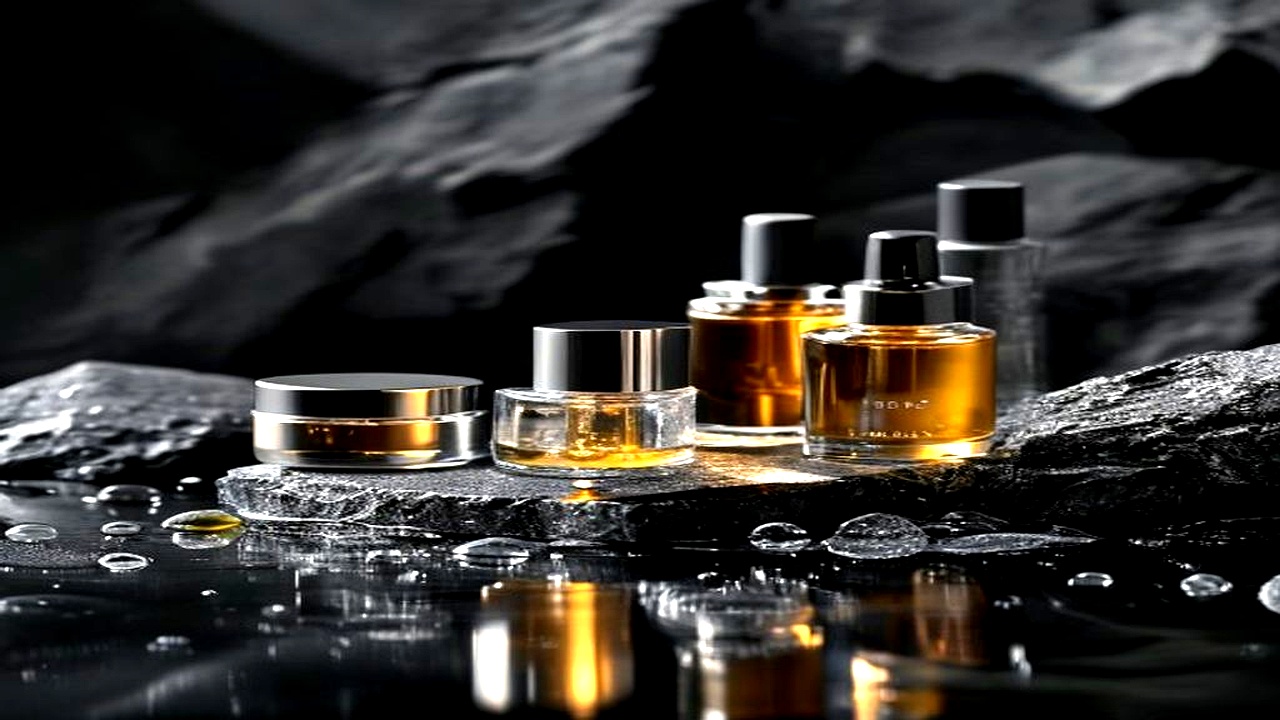
Dermatologists and skincare formulation experts consider Azelaic Acid one of the gold standard treatments for managing Rosacea. In this comprehensive educational guide, we will learn what Azelaic Acid is, how it works at the cellular level to reduce the redness and inflammation of Rosacea, and how to safely and effectively incorporate it into your daily skincare routine.
—
What is Azelaic Acid?
Azelaic Acid is a naturally occurring dicarboxylic acid. It is mainly found in grains like barley, wheat, and rye. But to ensure its chemical stability and high efficacy in skincare formulation, its synthetic version is made in laboratories.
Alpha Hydroxy Acids (AHAs) such as Glycolic Acid or Beta Hydroxy Acids (BHAs) such as Salicylic Acid are commonly used in skincare. But Azelaic Acid works differently from these traditional acids. It provides therapeutic benefits without heavily exfoliating the skin. Due to its pH-dependent activity and multi-functional properties, it is an ideal treatment option for highly sensitive, redness-prone skin.
Azelaic Acid is mainly appreciated around the world for the following critical functions:
- Anti-inflammatory action: Calms the hyper-reactive inflammatory pathways of the skin.
- Antimicrobial properties: Prevents the growth of bacteria responsible for acne and inflammatory bumps.
- Mild Keratolytic effect: Keeps pores clean by regulating the normal shedding process of dead skin cells.
- Tyrosinase Inhibition: Helps reduce post-inflammatory hyperpigmentation (PIH) by controlling the activity of melanocytes.
—
Understanding Rosacea and Its Symptoms
Before understanding the mechanism of Azelaic Acid, it is important to know what Rosacea skin condition actually is and how it affects the skin. Rosacea is a chronic, inflammatory dermatological condition that primarily targets the facial skin. It usually manifests through flare-ups and remission cycles.
The main symptoms of Rosacea include:
- Persistent Erythema: Persistent redness in the center of the face (nose, cheeks, forehead).
- Telangiectasia: Appearance of small blood vessels or capillaries on the surface of the skin.
- Papules and Pustules: Small red bumps or pus-filled lesions that look like acne, which are often mistaken for regular acne.
- Impaired Skin Barrier: Skin barrier becomes weakened, resulting in increased Transepidermal Water Loss (TEWL) and skin becomes rough, dry and sensitive.
In Rosacea-affected skin, inflammatory mediators such as cathelicidins (a type of peptide) and kallikrein-5 (a proteolytic enzyme) are abnormally elevated. Due to these chemical imbalances, the facial blood vessels expand and the skin is in a constant inflammatory state.
—
The Nilavy Perspective on Clean Formulation
Ingredient selection is critical in a high-end, clean skincare regimen. Azelaic Acid formulations for sensitive skin conditions such as Rosacea should not contain any synthetic fragrances, drying alcohols, or harsh preservatives. Formulated with clean, biocompatible bases, Azelaic Acid provides results without irritating the skin barrier.
At Nilavy we combine Azelaic Acid with supportive ingredients that calm the skin and accelerate its healing process. For example, Niacinamide and Panthenol (Provitamin B5) are present in our formulations, which help in skin barrier repair and reduce the irritation potential of Azelaic Acid.
Why pH Matters in Azelaic Acid Formulations
Efficacy of Azelaic Acid depends on its pH level. The ideal pH range is 4.5 to 5.5, which is close to the skin’s natural pH. Azelaic Acid best penetrates the skin at this pH and provides its antimicrobial and anti-inflammatory benefits.
Many low-cost formulations have pH levels that are too high or too low, thereby reducing the effectiveness of Azelaic Acid or increasing the potential for skin irritation. At Nilavy we carefully test the pH level of each product to ensure proper efficacy and comfort.
Synergistic Ingredients to Boost Azelaic Acid’s Benefits
Azelaic Acid can be used in combination with certain ingredients to enhance its effects. Below is a list of some such synergistic ingredients:
- Niacinamide (Vitamin B3): Reduces inflammation, strengthens the skin barrier and helps reduce redness.
- Zinc PCA: Controls sebum production and helps tighten pores.
- Licorice Root Extract (Glabridin): Helps reduce hyperpigmentation and soothes the skin.
- Hyaluronic Acid: Provides hydration and reduces the irritation potential of Azelaic Acid.
- Green Tea Extract (EGCG): Acts as a powerful antioxidant and helps neutralize ROS.
Azelaic Acid Concentration: How Much is Enough?
The concentration of Azelaic Acid is important for Rosacea treatment. Most clinical studies have shown that 15% to 20% concentration is most effective.
But for sensitive skin, you can start from 10% and gradually increase to 15%. Excessive concentration may cause irritation or dryness.
At Nilavy we have created a formulation with 15% Azelaic Acid along with supportive ingredients that are ideal for Rosacea. Our product is designed in such a way that it does not irritate the skin and provides benefits.
Application Tips for Maximum Efficacy
Proper application of Azelaic Acid also affects its effectiveness. Below are some important tips:
- Start Slow: Use 2-3 times a week initially and gradually increase the frequency.
- Use at Night: Azelaic Acid may have some irritating nature, so it is best to use at night.
- Layering: Use a lightweight moisturizer after Azelaic Acid to keep skin hydrated.
- Avoid Mixing with Strong Acids: May cause irritation if used together with Glycolic Acid or Salicylic Acid.
- Always Use SPF: Azelaic Acid can make skin sun-sensitive, so be sure to use a broad-spectrum SPF 30+ during the day.
Rosacea Management Beyond Azelaic Acid: A Holistic Approach
Although Azelaic Acid is effective for Rosacea treatment, a holistic approach should be followed to get complete control. Below are some important tips:
Diet and Lifestyle Adjustments
Rosacea flare-ups often depend on diet and lifestyle. Some common triggers are:
- Spicy Foods: For many people, spicy foods can cause Rosacea flare-ups.
- Alcohol: Especially the histamines present in red wine and beer can trigger rosacea.
- Hot Beverages: Hot tea or coffee can dilate blood vessels in the mouth, increasing flushing.
- Stress: Stress is one of the main triggers of Rosacea. Regular meditation, yoga or deep breathing exercises help to reduce stress.
- Sun Exposure: UV rays are one of the leading causes of Rosacea flare-ups. Always use SPF and avoid direct sunlight.
Skincare Routine for Rosacea-Prone Skin
A gentle, non-comedogenic skincare routine is crucial to Rosacea management. Below is a typical routine:
- Cleanser: Use alcohol-free, fragrance-free and gentle cleanser. Example: CeraVe Hydrating Cleanser or La Roche-Posay Toleriane Dermo-Cleanser.
- Toner: Use alcohol-free toner. Example: Nilavy Calming Toner (with Aloe Vera and Panthenol).
- Treatment: Use a serum with Azelaic Acid as well as Niacinamide or Zinc PCA.
- Moisturizer: Use a lightweight moisturizer with Hyaluronic Acid and Ceramides. Example: Nilavy Barrier Repair Moisturizer.
- Sunscreen: Use broad-spectrum SPF 30+. Example: EltaMD UV Clear SPF 46.
When to See a Dermatologist
Although Azelaic Acid is effective for Rosacea management, professional help should be sought in some cases. Below are some symptoms where a dermatologist should be consulted:
- If the symptoms of Rosacea persist for more than 3 months and there is no improvement.
- Severe pain, burning sensation or severe irritation in the skin.
- Symptoms of Rosacea in Eyes (Ocular Rosacea).
- If flare-ups persist after using Azelaic Acid.
Conclusion
Rosacea is a chronic skin condition that affects many people’s lives, but it can be controlled with proper knowledge and treatment. By understanding the scientific mechanisms of Azelaic Acid we can understand why it is so useful for Rosacea treatment. It not only reduces inflammation, but also helps in skin barrier repair and provides antimicrobial benefits.
But not only using Azelaic Acid; A holistic approach should be followed. Avoiding triggers through diet and lifestyle adjustments, following a gentle skincare routine and seeking professional help are critical to Rosacea management.
At Nilavy we create formulations that are ideal for sensitive skin conditions like Rosacea. Our Azelaic Acid product is designed in such a way that it provides results and at the same time does not irritate the skin. If you are suffering from Rosacea, then you can try our product and gradually notice the improvement of your skin.
Remember, patience and consistency are very important for Rosacea management. By following regular treatment and proper skincare routine, you will regain control of your skin and regain confidence.

About the Author
Maria is a beauty expert and skincare enthusiast dedicated to helping readers make confident, informed choices about their daily routines. With years of hands-on experience evaluating top skincare, haircare, and cosmetic trends, she cuts through the hype to deliver honest product recommendations, expert tips, and clear, practical advice you can rely on.