The World of Cold-Pressed Oils: What Are Their Real Powers in Clean Cosmetics?
The skincare market these days is filled with the words “clean” and “natural”. But where is the real value hidden? When we work with formulation at Nilavy, our focus is on potent and minimally processed ingredients. And this is where Cold-Pressed Oils are a game-changer. After reading this article, you will understand why these oils are not only a trend, but can be a biological necessity for your skin barrier.
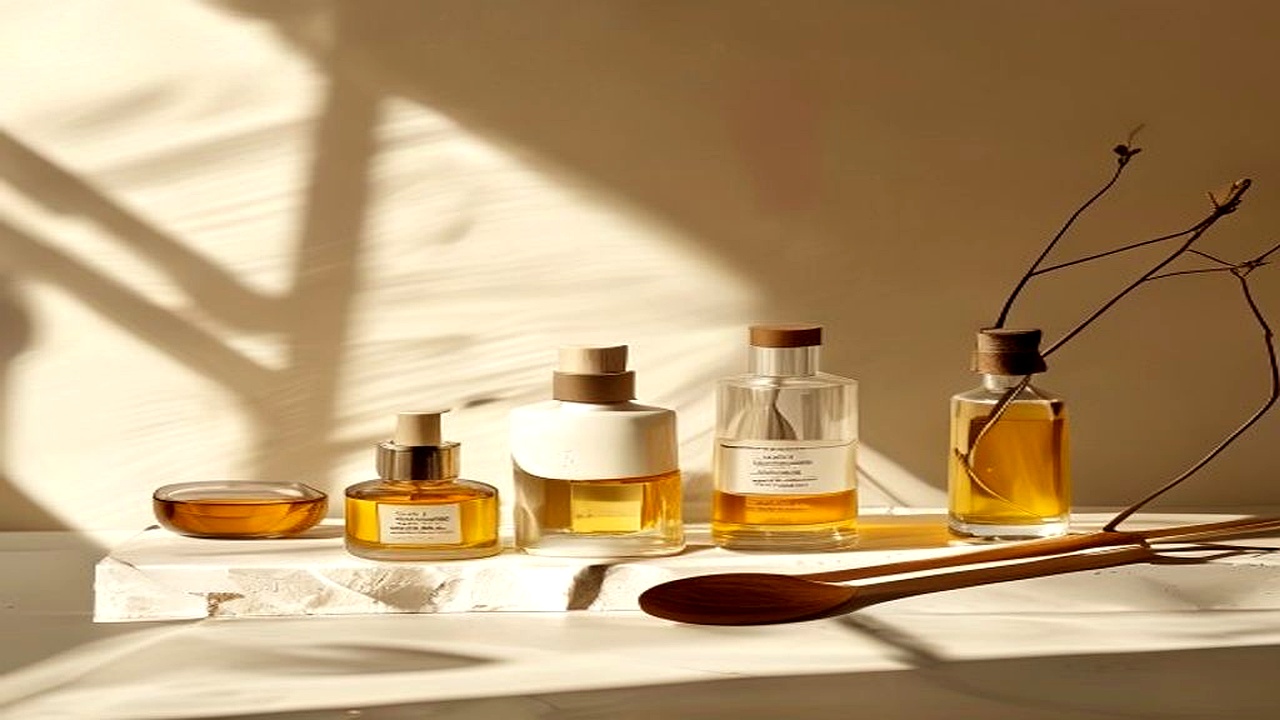
What does Cold-Pressed Method actually mean?
Usually high heat and chemical solvents (such as hexane) are used in commercial oil extraction. It yields more, but breaks down delicate nutrients. Cold-Pressed Oils, on the other hand, are extracted at low temperatures (usually below 27°C), using mechanical pressure. As a result, bioactive compounds like fatty acids, polyphenols, and vitamin E remain intact.
Simply put in Bengali – when the oil is cold pressed and not burned by the sun or fire, the “life force” inside it does not die. According to Nilavy’s philosophy, if a Rosehip Seed Oil is cold-pressed, then the retinoic acid derivatives in it are useful to eliminate your hyperpigmentation.
Why Does Your Skin Need Cold-Pressed Oils?
1. Skin Barrier Repair and Moisture Retention
The outer layer of our epidermis is mainly made up of lipids. When you use a cold-pressed oil (such as sea buckthorn or jojoba), it mixes directly with the natural sebum of the sebaceous gland. It reduces Transepidermal Water Loss (TEWL), and the skin remains plump. For those with long-term dehydration issues, it is helpful.
2. Antioxidant Defense vs. Free Radicals
Oxidative stress is created from environmental pollution and UV radiation. The untouched polyphenols in cold-pressed oils act as an invisible shield. For example, Prickly Pear Seed Oil can have up to 300 times more vitamin E content than commercial oils if properly pressed.
3. Calming Inflammation and Redness Reduction
People with Rosacea or sensitive skin often suffer from chronic inflammation. Cold-Pressed Oils such as Chamomile or Calendula infused base, when blended, they reduce Cytokine production. That is, the redness of your cheeks slowly calms down.
Popular Cold-Pressed Oils and Their Specialties
The table below will quickly explain which oil is useful. We choose them in Nilavy’s formulation for scientific reasons:
| Oil Name | Key Compounds | Primary Skin Benefit | Ideal For |
|---|---|---|---|
| Rosehip Seed Oil | Linoleic Acid, Vitamin A | Hyperpigmentation fade, texture refine | Acne scars, dull skin |
| Jojoba Oil | Wax Esters | Sebum balance, non-comedogenic | Oily & combination skin |
| Argan Oil | Oleic Acid, Tocopherols | Elasticity boost, dryness repair | Mature, dehydrated skin |
| Blue Tansy Oil | Azulene (Chamazulene) | Redness calm, antibacterial | Acne Vulgaris, irritation |
How to Add to Your Routine?
Rather than jumping in at the very beginning, it’s wise to layer gradually. Below is a step-by-step guide that our Nilavy community followed and saw results:
- Cleansing: Wash your face with a mild sulfate-free cleanser. This ensures the natural lipids of the Skin Barrier will not be stripped away.
- Toning: Apply an alcohol-free toner or essence so that the skin is slightly damp—this is essential for oil absorption.
- Serum (if available): Apply a such as Niacinamide serum. Wait 2 minutes.
- Cold-Pressed Oil Application: Warm 2-3 drops of Rosehip or Jojoba Oil in the palm of your hand and apply to face in a gentle pressing motion. Never rub aggressively
- Moisturizer (optional): If the climate is dry, seal with a light cream.
It is sufficient to use it twice weekly in the initial stage of the routine. You can gradually increase it to daily night care.
Myth vs. Reality: Overcoming Misconceptions
Many think that “oil means breakout”. Actually it depends on the Comedogenic rating. A cold-pressed jojoba oil will never block your pores, because its molecular structure is close to your own sebum. Again, “all oils are the same” — that’s also wrong. Refined sunflower oil contains almost zero nutrients, but the cold-pressed version contains a lot of Linoleic Acid, which is helpful for acne-prone skin.
What is Nilavy’s Clean Standard?
We only carry an oil if it is third-party tested and the cold-pressed label is scientifically verifiable. We believe that without a transparent supply chain, the term “clean cosmetics” is just marketing noise. When you use one of our serums or face oils, remember that there is a low-heat, no-solvent process behind every drop inside.
Special Tips: Storage and Shelf Life
Cold-Pressed Oils are sensitive to light and heat. It is best to keep them in a dark glass bottle, and by no means keep them near the bathroom door where humidity is high. Usually their shelf life is 6 to 12 months, because they do not contain artificial preservatives. If you see that the smell of the oil has become rancid (which is called oxidation), then you should stop using it.
Finally: Nature’s Deal with Your Skin
Clean beauty does not mean complexity, but clarity. Cold-Pressed Oils give you the simple but powerful path where science and nature work together. If you’re still concerned about acne vulgaris or uneven texture, start with a quality cold-pressed rosehip—and watch your epidermis regain its glow. Stay with Nilavy, learn and be better.

About the Author
Maria is a beauty expert and skincare enthusiast dedicated to helping readers make confident, informed choices about their daily routines. With years of hands-on experience evaluating top skincare, haircare, and cosmetic trends, she cuts through the hype to deliver honest product recommendations, expert tips, and clear, practical advice you can rely on.