How to Tell If Your Vitamin C Serum Has Oxidized: The Guide to Potency, Preservation, and Skin Safety
Vitamin C serum is considered a holy grail in the world of skincare routine. It combines to eliminate hyperpigmentation, boost collagen production and protect the skin from environmental damage. But this active ingredient has a major weakness—its instability. It can easily be destroyed by exposure to light, heat and oxygen, which is scientifically called oxidation.
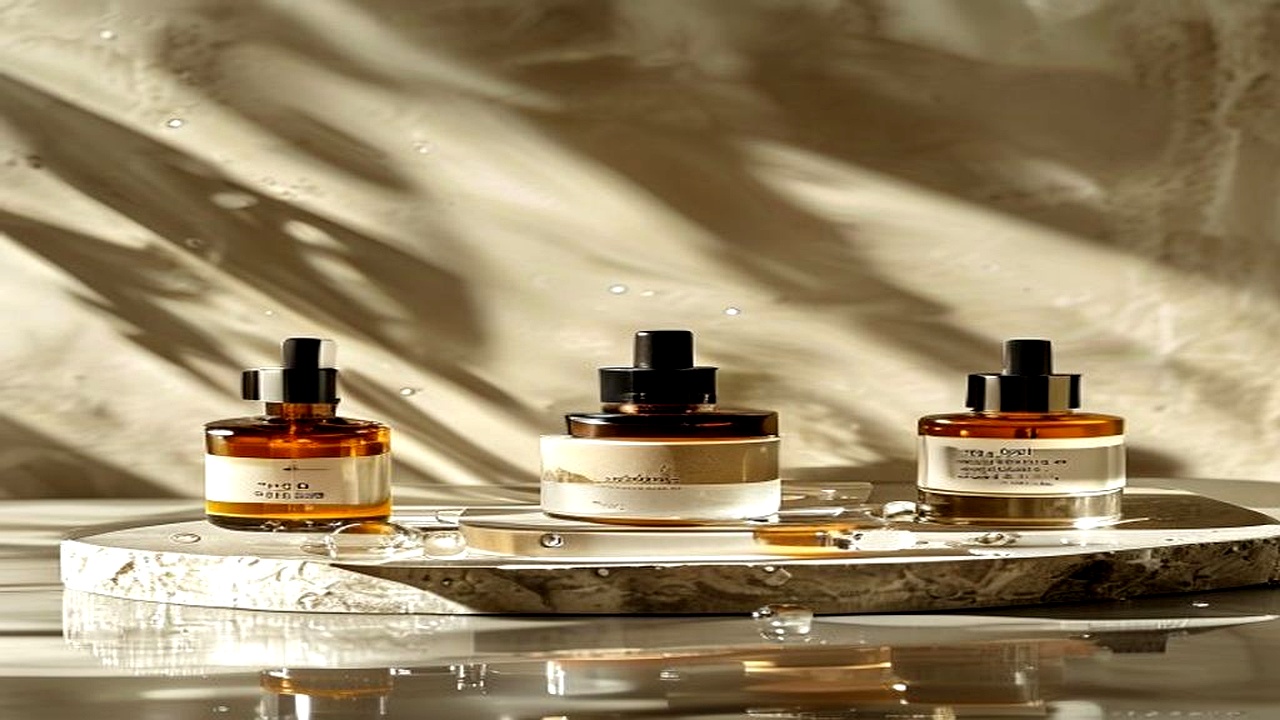
Using an oxidized Vitamin C serum is not beneficial to your skin; it can damage the skin barrier and accelerate the skin aging process by creating free radicals. In today’s comprehensive guide from Nilavy, we will discuss in detail how to understand if your favorite Vitamin C serum is oxidized, what is the science behind it and how to keep its potency intact for a long time.
—
What is Vitamin C Oxidation? (The science behind it)
Simply put, oxidation is a chemical reaction that occurs when a substance comes into contact with oxygen. Vitamin C (especially its purest form, L-Ascorbic Acid) is an electron-rich molecule. Its main function is to protect the skin from damage by donating electrons to unstable free radicals.
But when the serum bottle is repeatedly opened and exposed to air, UV light or high temperature, Vitamin C loses its electrons inside the bottle. In this process, L-Ascorbic Acid is first converted to Dehydroascorbic Acid (DHA), and then further degraded to Diketogulonic Acid. In this condition, the serum loses all its antioxidant potency and becomes harmful to the skin.
—
4 Signs Your Vitamin C Serum Has Oxidized
Here are 4 main visual and sensory signs to tell if your Vitamin C serum is still active or it’s time to discard it:
1. Color Shift
This is the easiest and primary indicator to detect oxidation. A fresh L-Ascorbic Acid serum is usually completely clear or a very pale, subtle yellow color. As the serum begins to oxidize, its color gradually changes:
- Pale Yellow: Slightly oxidized, but still safe to use on skin.
- Dark Yellow to Orange: This indicates that the potency of the serum is reduced. If you have sensitive skin, it is better not to use it in this condition.
- Amber, Brown, or Dark Orange: This is a sign of complete oxidation. This color serum does not contain any active Vitamin C and should be discarded immediately.
2. The “Hot Dog Water” Smell (change in smell)
Fresh Vitamin C serum scent is usually very light, clean or slightly citrusy (if natural citrus extracts or essential oils are used in the formulation). But when it starts to oxidize, it gives off a strong, sour and slightly metallic smell. Many compare this smell to “hot dog water” or burnt copper. If your serum suddenly begins to emit such a harsh and unpleasant smell, then understand that its molecular integrity has been damaged.
3. Change in Texture and Consistency
The texture of Vitamin C serum is usually very lightweight, watery or slightly slippery, which is easily absorbed by the skin. But if oxidized, its consistency may change. It may feel more sticky, tacky or grainy than before. Sometimes a crusty brown residue or grainy residue accumulates on the mouth of the bottle or around the dropper, which is clear evidence of oxidation.
4. Unexpected Skin Irritation and Breakouts
If you use a Vitamin C serum that you have been using for a long time and have had no problems, but suddenly after using it redness, itching, burning sensation or unexpected breakouts appear on the skin (especially blackheads and inflammatory acne), then you should understand that the serum has been oxidized. Damaged Vitamin C irritates the skin’s delicate lipid barrier and creates an inflammatory response.
—
The Vitamin C Color Progression and Potency Guide
You can easily determine the current stage and potency of your Vitamin C serum by looking at the table below:
| Serum Color | Oxidation State | Potency Level | Recommended Action |
|---|---|---|---|
| Crystal Clear or Water-like | Pristine / Completely Fresh | 100% Active | Perfect to use; benefits for skin brightening. |
| Very Light Champagne / Pale Straw | Minimal Exposure | 90% – 95% Active | Safe to use. Continue your daily routine. |
| Bright Yellow or Light Orange | Moderate Oxidation | 50% – 60% Active | Potency is reduced. Finish the bottle quickly; avoid if you have sensitive skin. |
| Dark Amber, Rusty Brown, or Cloudy Orange | Severe / Complete Oxidation | 0% Active (Pro-oxidant) | Discard immediately. Can cause cellular damage and skin irritation. |
—
Why Using Oxidized Vitamin C is Harmful for Your Skin
Many people think, “I bought it with money, even if it doesn’t work, I put it away; it won’t hurt anymore!” This is a misconception. Using oxidized Vitamin C serum is not only ineffective, but can be harmful to your skin:
- Generation of Free Radicals: While the main function of Vitamin C is to neutralize free radicals, oxidized L-Ascorbic Acid itself acts as a pro-oxidant. It creates oxidative stress in skin cells, resulting in premature fine lines, wrinkles and loss of elasticity.
- Clogged Pores and Blackheads: When oxidized Ascorbic Acid mixes with the skin’s natural sebum, it causes lipid peroxidation. This results in clogged pores and stubborn blackheads and inflammatory acne vulgaris.
- Impaired Skin Barrier: It disrupts the skin’s natural pH and weakens the Acid Mantle. As a result, the skin becomes sensitive and erythema (redness) and persistent itching may appear.
- Skin Discoloration: Use of oxidized serums can cause the skin to temporarily acquire a dull, yellowish-orange tint or a coppery tint instead of being bright, which can add to your uneven skin tone problem.
—
How to Choose a Stable Vitamin C Derivative
If you don’t like the trouble of L-Ascorbic Acid being oxidized repeatedly, you can choose a serum that uses stable Vitamin C derivatives. These derivatives are converted into active Vitamin C after penetrating the skin and are not easily oxidized:
- Tetrahexyldecyl Ascorbate: This derivative has the ability to penetrate deep into the skin and remains stable inside the skin for a long time.
- Magnesium Ascorbyl Phosphate (MAP): This derivative is one of the most stable and safe for skin, especially for sensitive skin.
Advantages of choosing stabilized vitamin C derivatives
One of the major advantages of using stabilized vitamin C derivatives is that they are effective on the skin for a long time. Besides, they are safe for the skin and come with fewer side effects. Since they are not easily oxidized, the damage to the skin is less.
Proper Method of Using and Storing Vitamin C Serum
To get the best results from Vitamin C Serum, it is important to use and store it properly. First, keep the serum in a cool, semi-dark place and avoid exposure to direct sunlight. Second, always keep the serum bottle closed to minimize exposure to air and light.
Conclusion
Vitamin C serum is an important product for the skin, but its oxidation can be harmful to the skin. Therefore, it is important to store the serum properly and choose stable vitamin C derivatives. By following these few steps, you can protect your skin and get the best results from vitamin C serum. Prioritize the health and beauty of your skin and choose a reliable vitamin C serum.

About the Author
Maria is a beauty expert and skincare enthusiast dedicated to helping readers make confident, informed choices about their daily routines. With years of hands-on experience evaluating top skincare, haircare, and cosmetic trends, she cuts through the hype to deliver honest product recommendations, expert tips, and clear, practical advice you can rely on.