Can Drinking More Water fully Cure Dry Skin? The Science of Hydration vs. Moisture
Many people around us may have given you this advice: “Skin feels dry? Drink more water, everything will be fine!” Sounds simple and logical, but Skincare Science says otherwise. Many people notice that even after drinking litres of water every day, the roughness, flakiness or tightness of their skin does not go away.
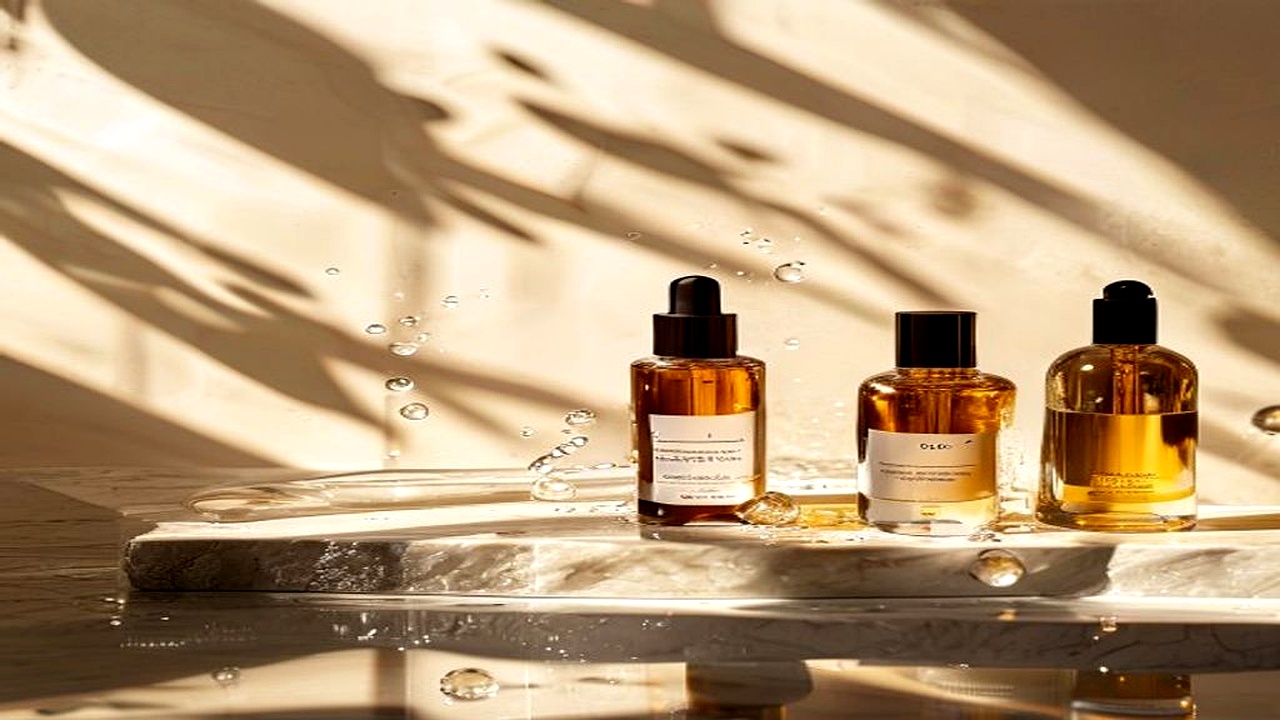
So what is the real truth? Can drinking more water fully cure dry skin?
In this detailed guide we discuss why drinking water alone is not a lasting solution to dry skin, and how you can achieve a balanced, glowing and hydrated skin barrier with the help of a science-backed skincare routine and the right ingredients. Today we uncover the science behind this hydration myth from high-end clean skincare brand Nilavy.
—
1. The Fundamental Difference: Dry Skin vs. Dehydrated Skin
The biggest mistake in the skincare journey is when we think of Dry Skin and Dehydrated Skin as the same. These are two completely different conditions and their treatment is also different.
- Dry Skin (a Skin Type): It is basically a genetic matter. If your skin does not have enough Sebaceous Glands or if they are less active, then the skin lacks natural oil or sebum. In simple words, Dry Skin lacks Oil (Lipids).
- Dehydrated Skin (a Skin Condition): This is a temporary condition that can affect any skin type (even oily skin). When the stratum corneum or outermost layer of the skin lacks water content, it is called dehydrated skin. This is usually caused by weather, lifestyle or using the wrong skincare product.
The matter will be clearer if we look at the table below:
| Feature | Dry Skin (Skin Type) | Dehydrated Skin (Skin Condition) |
|---|---|---|
| Underlying Deficiency | Lack of Sebum or Lipids (Natural Oil). | Lack of Water or Moisture content. |
| Cause (Root Cause) | Genetics, aging, hormonal changes. | Weather, Use of AC, Less Water Consumption, Harsh Cleansers. |
| Symptoms | Flakiness, itching, roughness and dullness. | Tightness, redness, increased visibility of fine lines, dull skin tone. |
| Solution | Rich Emollients and Occlusives (eg: Ceramides, Squalane). | Humectants (eg: Hyaluronic Acid, Glycerin) and Adequate Hydration. |
—
2. The Biological Truth: How does body water reach the skin?
When we drink water, it does not accumulate directly on the surface of our skin or in the epidermis. Water first enters our digestive system, is absorbed into the blood and meets the needs of other important internal organs of the body (eg: kidney, liver, heart).
Finally, a very small portion reaches the inner layer of our skin or Dermis. From the Dermis, this water slowly moves towards the outer layer, the Epidermis. This process is called cellular hydration.
The Concept of Transepidermal Water Loss (TEWL)
When the water from the Dermis comes to the Epidermis, the dry air in our environment tries to evaporate the water and pull it away. This natural process is called Transepidermal Water Loss (TEWL) in skincare parlance.
If your skin barrier is healthy and strong, it acts like a shield or seal to trap this water inside the skin. But if your skin barrier is damaged or your skin type is naturally dry, then the skin does not have enough lipids and ceramides. As a result, no matter how much water you drink, it will evaporate into the air through the TEWL. And your skin will remain rough and dry as before.
—
3. Why Drinking Water Alone Cannot “fully Cure” Dry Skin
Now you must understand that it is impossible to fully cure dry skin by drinking water alone. There are 3 main scientific reasons behind this:
- Lack of Lipid Matrix: The main problem with dry skin is not lack of water, but lack of oil. Dry skin lacks the Lipid Matrix (Ceramides, Cholesterol, Free Fatty Acids) needed to hold the cells of your skin together. Water cannot form this Lipid Matrix.
- The Evaporation Factor: If the air is dry (like in winter or in an AC room), it absorbs water from the skin more quickly. Even if you drink a lot of water, it is not possible to retain that water in the skin without a good topical moisturizer.
- External Damagers: Harsh cleansers, physical scrubs, or hot water that we use every day destroy our skin’s natural protective barrier. This external damage cannot be restored by drinking water alone.
—
4. The Dual Approach: Internal Hydration + Topical Barrier Repair
We need to take a dual approach for practical solutions to dry skin. We need to hydrate our body from the inside and at the same time follow a strong barrier repair routine from the outside. It is not possible to fully solve the problem of dry skin by just drinking water or just applying cream. Because the structure of our skin is such that it needs a suitable environment to retain the water inside, so the outer layer must also be strong enough to prevent that water from escaping.
“True hydration is a partnership between the water you consume and the topical barrier that prevents it from escaping.” — Nilavy Skincare Lab
A) Inside-Out Hydration (care from the inside)
Just drinking water is not enough to hydrate the skin from within. We need to pay special attention to our diet and nutrition. Because like other parts of the body, the skin also gets its necessary nutrients from food.
On average, you should drink 2.5 to 3 litres of water per day, but this depends on your body weight, climate and physical activity. Not just water, eat foods that contain plenty of water and nutrients that are good for the skin.
- Water-Rich Foods: Cucumber, Watermelon, Orange, Strawberry, Spinach, Tomato etc. They not only provide water, but also vitamins C, E, and antioxidants that are crucial for skin health.
- Healthy Fats: Foods like avocado, nuts, fish, olive oil help strengthen the lipid barrier of the skin. These fats keep skin cells strong and prevent water loss.
- Electrolytes: Foods like cocoa, banana, almond milk, coconut water etc. maintain the body’s electrolyte balance. A lack of electrolytes makes the skin more dry and disrupts its normal function.
- Omega-3 Fatty Acids: Foods like seafood, flaxseeds, chia seeds etc. help reduce skin inflammation and help the skin produce natural oils.
Also, some herbal teas such as green tea, hibiscus tea, and ginger tea are beneficial for the skin. They detoxify the body and increase blood circulation to the skin, resulting in more nutrients for the skin.
B) Outside-In Barrier Repair (care from the outside)
If the structure of the outer layer of the skin or stratum corneum is not strong enough, the internal water can easily escape. Therefore, products that help repair the skin barrier should be used externally.
There are some important ingredients for skin barrier repair that should be used regularly:
- Ceramides: Act like the skin’s natural lipids. They increase the water retention capacity of the skin and protect it from external harmful effects.
- Hyaluronic Acid: Penetrates into the deeper layers of the skin to retain water and keep the skin smooth and plump.
- Squalane: Acts like the skin’s natural oils. It moisturizes the skin and reduces inflammation.
- Niacinamide: Helps strengthen the skin barrier and reduces redness. It also helps in maintaining even skin tone.
- Cholesterol: is an important component of the lipid bilayer of the skin. It maintains skin elasticity and prevents water loss.
In addition to using products rich in these ingredients, some general practices should also be followed:
- Gentle Cleansers: Use cleansers that do not destroy the skin’s natural oils. Avoid using highly alkaline or soapy cleansers.
- Lukewarm Water: Hot water destroys the skin’s natural oils. So use lukewarm or cold water while washing the skin.
- Moisturizers with Occlusives: When using moisturizers choose products rich in ingredients that create a protective layer on the skin. For example, petrolatum, or beeswax, or squalane.
- Avoid Over-Exfoliation: Excessive exfoliation damages the skin’s natural barrier. Use a gentle exfoliant 1-2 times a week.
- Humidifier: Use a humidifier indoors in dry weather. It maintains moisture in the air and prevents the skin from drying out.
C) Seasonal Adjustments (care with seasonal changes)
Skin becomes more dry in winter because the humidity in the air is low and the use of hot water destroys the skin’s natural oils. On the other hand, during summers the skin gets damaged due to excessive sweating and harmful rays of the sun. So skin care should be adjusted every season.
In winter:
- Use heavy moisturizers in skin care. For example, Shea Butter, Cocoa Butter, or cream type moisturizers.
- Use a very mild cleanser when cleansing the skin.
- Use products rich in petrolatum or beeswax to create a protective layer on the skin.
In summer:
- Use a light gel type moisturizer to keep skin hydrated.
- Use sunscreen to protect the skin from the sun’s harmful rays.
- Use a regular cleanser to remove sweat and dirt.
5. Common Myths About Dry Skin and Hydration
There are many misconceptions about dry skin. It is necessary to get out of these misconceptions so that we can properly take care of the skin.
Myth 1: Drinking more water will keep the skin hydrated
This is a common misconception. It is not possible to keep the skin hydrated by drinking water alone. Because the skin, like other parts of the body, gets its necessary nutrients from food. So it is necessary to eat nutritious food along with just drinking water.
Myth 2: Applying cream to the skin will cure dryness
It is not possible to remove the dryness of the skin by applying cream alone. Because the cream works on the surface of the skin, the natural barrier of the skin must be strengthened to retain water inside. So besides taking care from within, proper care should be taken from outside.
Myth 3: Dry skin is less problematic than oily skin
Dry skin is something many people ignore, but it can cause many problems. For example, skin inflammation, eczema, cracked skin etc. So taking care of dry skin is very important.
Myth 4: A heavy moisturizer is the only solution for dry skin
While heavy moisturizers are beneficial for dry skin, they are not the only solution. Because different types of moisturizers are used depending on the skin type and environment. For example, a light gel type moisturizer should be used during summer.
6. Nilavy’s Expert-Recommended Routine for Dry Skin (Selected Care Routine)
As suggested by Nilavy‘s team of experts, an effective routine for dry skin has been developed. Following this routine will keep the skin hydrated and strengthen its natural barrier.
| step | Product | Time of use | Special Instructions |
|---|---|---|---|
| 1. Cleansing | Nilavy Gentle Cleansing Milk | Morning and Night | Gently wash your face with lukewarm water. |
| 2. Toning | Nilavy Hydrating Toner | After cleansing | Balance the skin’s pH with a cotton pad. |
| 3. Serum | Nilavy Hyaluronic Acid + Ceramide Serum | After toning | Apply 2-3 drops of serum on face and massage gently. |

About the Author
Maria is a beauty expert and skincare enthusiast dedicated to helping readers make confident, informed choices about their daily routines. With years of hands-on experience evaluating top skincare, haircare, and cosmetic trends, she cuts through the hype to deliver honest product recommendations, expert tips, and clear, practical advice you can rely on.