Guide to Centella Asiatica (Cica): How This Ancient Botanical Heals Irritated Skin and Repairs Your Skin Barrier
In today’s skincare industry there are some ingredients that come and go as a temporary trend. But some botanical extracts have proven their effectiveness over the ages and become an essential part of a skincare routine. One such legendary and scientifically proven botanical ingredient is Centella Asiatica, which is popular around the world as Cica.
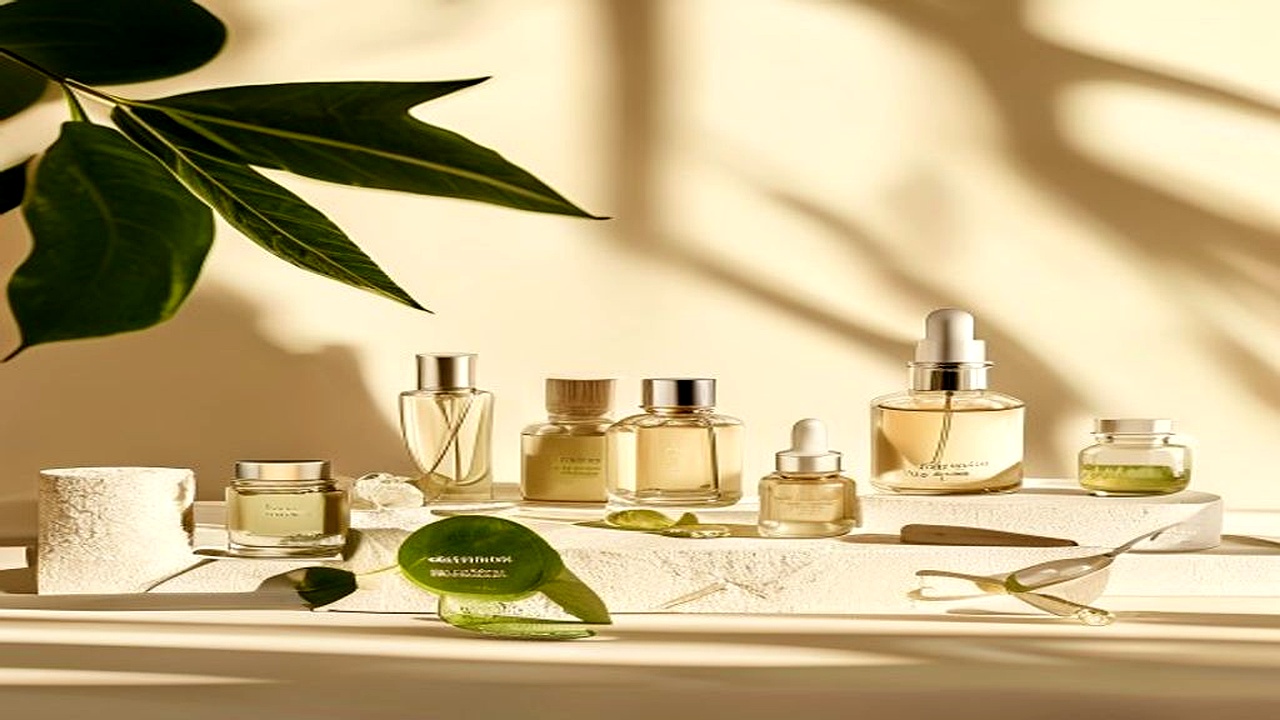
Due to our modern lifestyle, environmental pollution, excess exfoliation and use of harsh chemical products, the skin’s natural balance is a common problem. As a result, the skin becomes dehydrated, sensitive and prone to redness. There is no substitute for Centella Asiatica to calm and repair such damaged and irritated skin. In this guide we will discuss in detail how this herb works at the cellular level to restore your skin health.
What is Centella Asiatica (Cica)?
Centella Asiatica is a perennial herb that grows mainly in wetlands and humid regions of Asia. It has been used as a wound healing and skin soothing agent for hundreds of years in Traditional Chinese Medicine (TCM) and Ayurvedic treatment. There is a popular folk tale that when a tiger gets injured in the forest, it rolls on this grass to heal its wounds. This is why it is sometimes called Tiger Grass or Gotu Kola in Sinhala.
In modern cosmetic science, active molecules extracted from this herb are being used as tools for skin soothing, barrier repair and anti-inflammatory formulation. Whenever our skin’s outermost layer or Stratum Corneum is damaged for some reason, Cica works like a healing bandage to make the skin healthy again.
The Science Behind Cica: Active Compounds explained
Centella Asiatica has some powerful biochemical components behind its healing powers. These components are mainly called Centella Triterpenes. A clean clinical formulation mainly focuses on these four active compounds:
- Madecassoside: This is the potent active compound in Cica extract. It suppresses the skin’s internal inflammatory cytokines and reduces redness and swelling. It is also effective in boosting collagen synthesis.
- Asiaticoside: This compound helps improve the structural integrity of skin tissue. It stimulates fibroblasts and multiplies the skin repair mechanism.
- Asiatic Acid: It strengthens the skin’s natural defense mechanism. It is an antioxidant that protects skin cells from oxidative stress and environmental damage.
- Madecassic Acid: It plays an important role in rebuilding damaged skin tissue and reducing skin sensitivity caused by skin inflammation.
Benefits of Centella Asiatica for Irritated Skin
Why is it important to have a Cica-infused product on your skincare shelf? Let’s know its main scientific benefits:
1. Relief from Redness and Erythema
For those whose skin is sensitive or who often suffer from Erythema (skin redness) and itching, Cica is a boon. Its anti-inflammatory properties reduce vasodilation, thereby reducing skin redness and irritation.
2. Restores and Strengthens the Skin Barrier
The main responsibility of our skin to retain moisture and prevent external harmful bacteria is the Skin Barrier. When the skin barrier is compromised due to over-exfoliation (ie overuse of AHA/BHA) or harsh weather, skin becomes dry and flaky. The lipids and amino acids in Centella Asiatica reduce Transepidermal Water Loss (TEWL) by reconstructing the skin barrier lipid matrix.
3. Accelerates Wound Healing and Tissue Repair
Cica directly stimulates the Fibroblasts located in the dermis layer of the skin. This increases the production of collagen and elastin, the proteins that make up the structural framework of the skin. Post-acne marks, cuts, and superficial wounds heal quickly due to the formation of new skin tissue.
4. Soothes Inflammatory Skin Conditions
It not only relieves general skin irritation, but is also recommended by doctors to reduce the severity of chronic inflammatory skin conditions such as Acne Vulgaris, Rosacea, Eczema, and Atopic Dermatitis. It supports the healing process by improving the micro-circulation of the skin.
5. Antioxidant Protection
Due to UV rays from the sun and air pollution, our skin produces free radicals, which are responsible for skin aging and cell damage. Centella Asiatica is rich in flavonoids and phenolic compounds which act as an antioxidant shield to neutralize free radicals.
Who Should Use Centella Asiatica?
Cica’s advantage is that it is gentle and non-comedogenic, making it safe for all skin types. However, it is effective for certain skin concerns:
- Acne-Prone Skin: To relieve acne inflammation and scarring after pimple popping.
- Compromised Skin Barrier: Those who are experiencing skin irritation and flakiness due to use of excess active acids or Retinoid.
- Post-Procedure Skin: To speed recovery time after clinical procedures such as chemical peels, laser treatments, or micro-needling.
- Dry and Dehydrated Skin: To increase the hydration retaining capacity of the skin.
How to Layer Centella Asiatica with Active Ingredients
Knowing the correct layering rules is important when combining different active ingredients in a skincare routine. Centella Asiatica is a calming and soothing botanical extract, which works to reduce skin irritation. When you combine it with Retinol, Vitamin C, or Exfoliating Acids
Decoding the INCI List: Centella Asiatica Extract vs. Pure Isolated Terpenes
If you look at the Ingredient List or INCI List while doing skincare shopping, you can see that
On the other hand, when a formulator extracts its core active molecules or isolated terpenes from the Centella plant in a lab, they are called concentrated active ingredients. There are four primary terpenes most commonly used in skincare:
- Madecassoside: This is the popular active compound that works at a clinical level to repair the skin barrier and eliminate redness. It boosts collagen synthesis.
- Asiaticoside: This compound accelerates the wound healing process and provides anti-inflammatory response.
- Asiatic Acid: It is an antioxidant that protects the epidermis from UV damage and environmental stressors and maintains skin elasticity.
- Madecassic Acid: It soothes damaged or compromised skin and helps reduce hyperpigmentation.
If your skin barrier is damaged and you want recovery, you should choose a product that has these isolated terpenes (especially Madecassoside and Asiaticoside) directly listed as active ingredients. And if your aim is to keep the skin calm and hydrated in the daily routine, then standard
Choosing the Right Cica Formulation for Your Skin Type
Not all Cica products on the market will work the same on everyone’s skin. Selecting the right vehicle or formulation type based on skin type and skin concern is important.
Cica Toner & Essence: Lightweight Hydration for Oily & Acne-Prone Skin
Those whose skin type is mainly oily and acne-prone should avoid heavy creams. Water-based liquid formulations rich in
How Cica Compares to Other Soothing Ingredients
There is no shortage of soothing ingredients in the skincare industry. However, how Centella Asiatica differs from other traditional soothing ingredients can be seen in the comparative table below:
| Ingredient | Key Benefits | Skin Type Suitability |
|---|---|---|
| Centella Asiatica | Relief from redness, strengthens skin barrier, accelerates wound healing | All skin types, especially sensitive skin |
| Aloe Vera | Soothes sunburn, moisturizes, anti-inflammatory | Normal to dry skin, sensitive skin |
| Green Tea | Antioxidant, anti-inflammatory, reduces puffiness | |
| Chamomile | Soothes irritated skin, calms redness, anti-allergic | Sensitive skin, skin with rosacea |
This table shows that Centella Asiatica is a unique ingredient that can solve various skin problems. This ingredient has the ability to repair the skin’s natural barrier, reduce inflammation, and reduce scarring.
Combining Cica with Other Soothing Ingredients for Enhanced Benefits
Although Centella Asiatica alone gives results, combining it with other soothing ingredients gives better results. For example, using Aloe Vera and Centella Asiatica together can reduce skin inflammation and redness. Also, green tea and Centella Asiatica used together increase the skin’s antioxidant protection.
Real-World Applications and Product Formulations
Currently Centella Asiatica is found in a variety of skincare products, such as face creams, serums, toners, and essences. Also, some brands have prepared full solution series based on Centella Asiatica which can solve various skin problems.
Conclusion
Finally, Centella Asiatica is a wonderful ingredient that can solve various skin problems. The main benefits of this ingredient are its ability to act quickly, repair the skin’s natural barrier, reduce inflammation, and reduce scarring. If you want to solve your skin problems, using products based on Centella Asiatica can be a good option.

About the Author
Maria is a beauty expert and skincare enthusiast dedicated to helping readers make confident, informed choices about their daily routines. With years of hands-on experience evaluating top skincare, haircare, and cosmetic trends, she cuts through the hype to deliver honest product recommendations, expert tips, and clear, practical advice you can rely on.