The Ultimate Skincare Routine for Oily Skin Types
If you are an incompetent (oily) hand skin care, then you always feel dry skin in the T-zone and oily film on the face. The solution to this problem is not too complicated, but with the right routine, you can transform your skin into a well-maintained and healthy one.
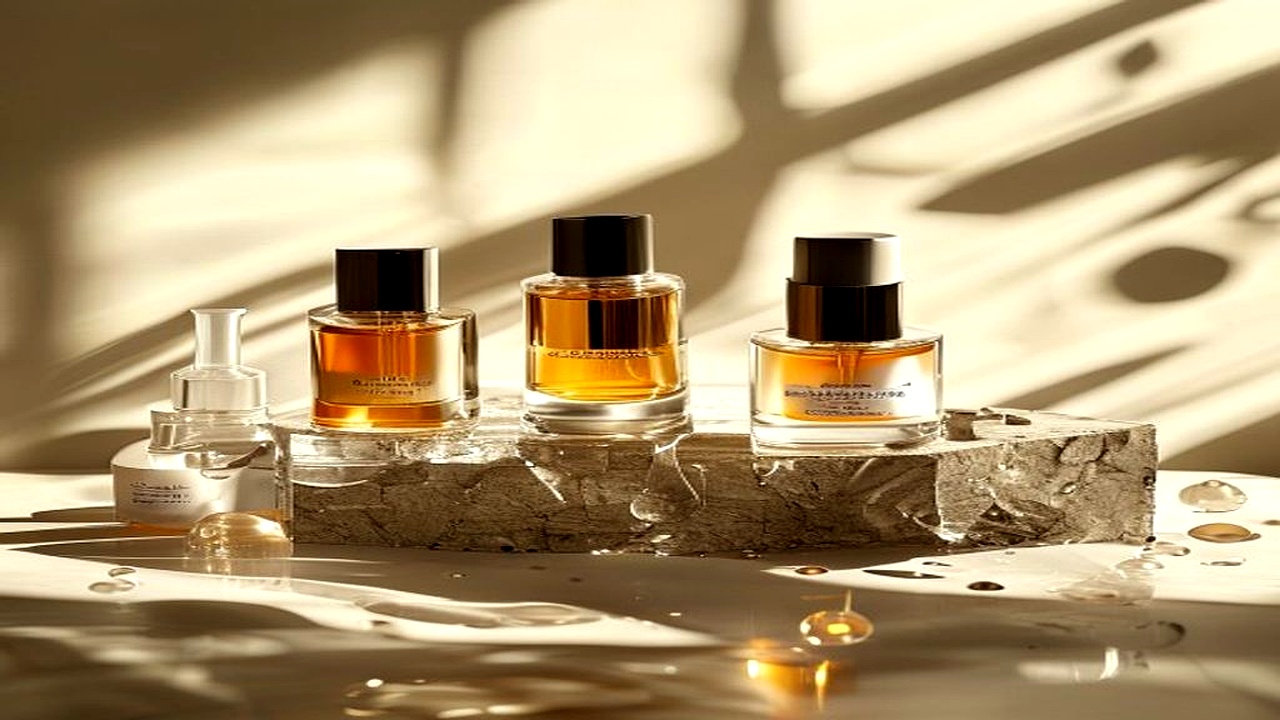
Understanding Oily Skin: The Science Behind the Shine
The main cause of oily skin is overproduction of sebaceous glands. These glands produce oil onto the surface which increases the natural protection of the surface. Although some oils are good, excess production is normal and contributes to skin problems.
Why are the hands more oily?
- Submissive youth: Between the ages of 15-25 years, hands have more oil, because the sebaceous glands are active.
- Genetic advantage: Some people have more oil production on their hands.
- Hormonal changes: Resulting from menopause, sterilization or hormonal contraceptives.
- Diet and Environment: Processed food and adverse environment.
The Essential Pillars of an Oily Skin Routine
A proper routine is key to the health of your hands. Following are the three basic pillars:
1. Cleansing – The Foundation
Proper cleansing is the first step in the routine. To manage the oil on your hands, you need to use two types of cleansers:
| Type | Features | use time |
|---|---|---|
| Subjective Cleanser | Absorbs surface oil | every morning |
| Body Friendly Cleanser | Deep cleaning | at night |
2. Exfoliation – The Detoxifier
Your face needs a soft exfoliation monthly to remove dirt and grime. It reduces surface inflammation and keeps your face clean.
3. Hydration – The Balancer
A common mistake is to use water on unfit hands. Oily hands require proper hydration, as excess oil reduces its production.
Step-by-Step Morning Routine
A daily morning routine is essential for the health of your hands. Here is a simple and effective step:
- Use a subjective cleanser: Gently rub on the face for about 1-2 minutes. Use up to 1 milliliter of cleanser on each hand.
- Apply toner: Use an alcohol-free toner that maintains the pH of the surface.
- Apply serum: Regularly use a serum with 5% Niacinamide added.
- Use a moisturizing cream: Choose a light and glossy formula.
- Use sundae on face 2-3 times a week: Keep for about 10 minutes.
Evening Routine: The Recovery Phase
Recovering and cleansing your hands at night is essential. Here is a deep clean routine:
- Double cleansing: Use a bulk cleanser first, then a subjective cleanser.
- Exfoliation (1-2 times a week): Use glycoquat exfoliation.
- Apply toner: Use a resistor toner.
- Apply serum or water: Use a moisturizing water.
- Use Nightmeer Tissue (optional): 0.3% Nightmeer Use at night.
- Apply Hair Serum: Use light and glossy formula.
Weekly Treatment Rituals
Weekly treatments are essential to maintain the health of your hands. Here are some useful ways:
Clay Masks
You can remove surface oil and dirt by using Aycit Clay Mask. This clay from Italy is kept about 10-15 minutes.
Key Active Ingredients for Oily Skin: Science & Selection
Targeting oily skin kérčne requires the correct selection of actives, which control sebum production and reduce inflammation.
How Salicylic Acid, Niacinamide & Zinc PCA Work to Control Sebum
Salicylic acid is a beta-hydroxy acid (BHA) that dissolves lipids and exfoliates deep within pores; Naïάσinamide is a vitamin B3 derivatives that increases barrier strength and reduces erythema; Zinc PCA binds a zinc‑containing berb encargado sebum syntaxis protestante.
- Salicylic acid: keratolytic, anti-comedogenic, oil-based rewrite.
- Niacinamide: mejora barrier function, reduces сеbum过度 production, anti‑inflammatory.
- Zinc PCA: modulates 5‑alpha reductase activity, provides mattifying effect, antimicrobial.
| Ingredient | Primary Mechanism | Typical Effective Concentration | Key Benefit for Oily Skin | Common Irritation Risk |
|---|---|---|---|---|
| Salicylic Acid | Lipid‑soluble exfoliation, penetrates sebaceous follicle | 0.5%–2% | Unclogs pores, reduces blackheads | Mild dryness or peeling if overused |
| Niacinamide | Boosts ceramide synthesis, modulates sebum secretion | 2%–5% | Improves texture, lowers shine, anti‑inflammatory | Rare, usually well tolerated |
| Zinc PCA | Inhibits sebum‑producing enzymes, antimicrobial | 0.1%–0.5% | Mattifies surface, reduces acne‑causing bacteria | Very low, suitable for sensitive skin |
Sunscreen Strategies for Oily & Acne-Prone Skin
Use sunscreen that is oceanically essential, but choose oil-free, non-comedogenic formulas to maintain shade without breakout.
Choosing Non‑Comedogenic, Mattifying Formulas and Proper Application
The right sunscreen should be gel‑based, silica‑ or powder‑based, and SPF 30‑50 broad-spectrum UVA/UVB protection. thrice‑daily reapplication Sweat‑resistant。
- Look for labels: “oil‑free”, “non‑comedogenic”, “matte finish”.
- Choose ingredients like zinc oxide, titanium dioxide (micronized) or chemical filters such as bemotrizinol with low comedogenic scores.
- Apply a nickel‑sized amount (approx. 0.5 mg/cm²) on face and neck 15 minutes before sun exposure.
- Reapply every 2 hours, or immediately after swimming, sweating, or towel‑drying.
- For extra shine control, layer a thin mattifying primer over sunscreen if needed.
Layering Actives: Building a Safe & Effective Nighttime Routine
The sequence of stacking actives in the night time repair phase very much determines efficacy and irritation probability.
Order of Application: From Thin to Thick, pH Considerations
Typical regular: first water‑based actives (e.g., toners, serums), then treatment actives, followed by moisturizers, and finally occlusives if needed. pH-balanced layering prevents neutralization.
- Cleanse → (optional) pH‑balancing toner (pH ~5.0).
- Apply water‑based actives first: e.g., niacinamide serum (pH 5.5–6.5).
- Follow with acid‑based treatment: salicylic acid or low‑strength retinoid (pH 3.0–4.0) if skin tolerates.
- Seal with a lightweight, non‑comedogenic moisturizer containing ceramides or hyaluronic acid.
- Finish with a thin layer of facial oil only if extra barrier support is needed; avoid heavy oils on acne‑prone zones.
- Limit high‑glycemic snacks: white bread, sugary cereals, sweetened beverages.
- Increase zinc‑rich foods: pumpkin seeds, chickpeas, lean meat.
- Incorporate antioxidant‑rich berries and green tea for oxidative stress protection.
- Practice 10‑minute daily breathing exercises or progressive muscle relaxation to lower cortisol.
- Maintain a consistent sleep schedule; avoid screens 30 minutes before bedtime to improve melatonin production.
Lifestyle & Diet Tweaks that Influence Sebum Production
Sebum level is not außer topikal produits alone; Diet, stress, and sleep also play a big role.
Foods, Stress Management & Sleep Hygiene for Balanced Oil
Glycemic load foods (eg whole grains, legumes) reduce insulin spikes, which suppress sebum synthesis. Omega-3-rich foods (salmon, flaxseed) reduce inflammation. Stress-reduction techniques (mindfulness, yoga) control cortisol levels, thereby reducing oil production. Adequate sleep (7–9hours) supports the restorative cycle and maintains barrier function.
Sheet Masks
Use a soft sheet mask monthly

About the Author
Maria is a beauty expert and skincare enthusiast dedicated to helping readers make confident, informed choices about their daily routines. With years of hands-on experience evaluating top skincare, haircare, and cosmetic trends, she cuts through the hype to deliver honest product recommendations, expert tips, and clear, practical advice you can rely on.