What is Blue Beauty and how does it protect the ocean?
Skincare these days depends not only on our faces, but also on the Planet. A new concept has become popular in recent years called Blue Beauty. But what is it really? Simply put, Blue Beauty is a skincare philosophy that gives priority to marine ecosystems and ocean health. It is not only a product formulation, but a conscious lifestyle choice that helps reduce water pollution.
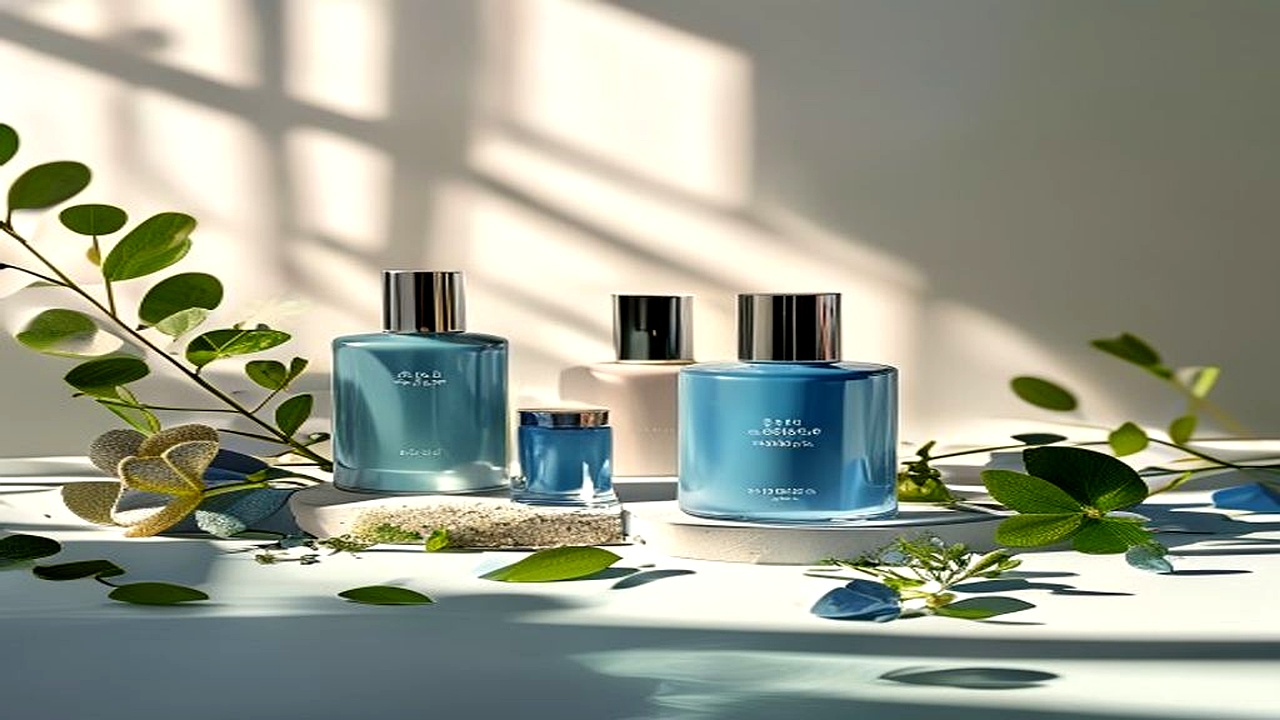
Original Definition and Origin of Blue Beauty
Trathametra may seem to be talking about a blue colored cream or packaging. In fact, the term was coined by environmental advocates and clean beauty pioneers who saw that the traditional cosmetics industry was releasing millions of tons of microplastics and harmful chemicals into the ocean every year. Blue Beauty stands for brands and routines that use ocean-safe ingredients, create reef-safe sunscreen and emphasize biodegradable packaging.
Our brand Nilavy values this concept because we believe that clear skin and a clean ocean are interconnected. When we fix the skin barrier with non-toxic ingredients, that ingredient does not harm algae or fish in the water.
Why is Traditional Skincare Dangerous for the Ocean?
Many people think that when they use face wash or serum, it goes down the drain and that’s it. But water treatment plants cannot always filter out microplastic, oxybenzone, or octinoxate. Below are some major culprits:
- Microplastic: These are in products like exfoliators and are ingested by marine life as plastic.
- Oxybenzone: A chemical UV filter that causes coral bleaching and destroys the ocean’s equilibrium.
- Silicones: They form a water-repellent coating that inhibits the respiration of aquatic organisms.
- Synthetic Fragrance: A hidden toxin which can disrupt the endocrine system of fish.
This is why the Blue Beauty standard says we should use reef-safe or mineral-based sunscreens that contain zinc oxide or titanium dioxide. These mineral filters remain on the surface of the skin and do not harm the coral by dissolving in seawater.
Key Principles of Blue Beauty that Nilavy Follows
To create an authentic Blue Beauty routine, we need to keep a few principles in mind. They are discussed in detail below:
1. Ocean-Safe Ingredient Selection
In every formula we use botanical extracts or amino acids which are safe for the epidermis and non-toxic for the environment. For example, niacinamide is a water-soluble vitamin that reduces hyperpigmentation and is easily broken down by bacteria in the ocean.
2. Plastic-Free and Refillable Packaging
Our serum or moisturizer bottles are made of glass or recycled aluminum. There is no plastic leaching in the body’s natural oil production like the sebaceous gland.
3. Water Conservation in Production
Many brands use thousands of liters of freshwater every year. For Nilavy we have introduced a waterless formula (like powder-to-foam cleanser) to reduce the ocean’s water footprint.
Scientific Perspective: Skin Barrier Vs. Marine Barrier
Surprisingly, a comparison can be drawn between our skin barrier and the ocean’s protective layer. Just as the skin has an acid mantle that protects against bacteria, the sea surface has a thin microbial layer that protects the planet from toxic shock.
| Parameter | Human Skin | Marine Ecosystem |
|---|---|---|
| Protective Layer | Skin Barrier / Acid Mantle | Marine Microbial Mat |
| Common Threat | Harsh Surfactant | Chemical UV Filter |
| Repair Agent | Ceramide, Niacinamide | Phytoplankton, Algae |
| Blue Beauty Role | Non-Toxic Serum | Reef-Safe Discharge |
This comparison suggests that when we use salicylic acid in the treatment of acne vulgaris, it should be in a controlled percentage (e.g., 2%) so as not to enter the wastewater and unnecessarily stimulate the growth of aquatic plants (causing eutrophication).
Develop a Blue Beauty Friendly Daily Routine
You can make your skincare ocean-friendly by following the step-by-step guide below. This is Nilavy’s suggested protocol in full:
- Morning Cleanser: Use a gentle gel that does not contain sulfates. It does not remove the natural oil of the skin and does not create foam when it goes down the drain which clogs the gills of fish.
- Antioxidant Serum: Vitamin C or niacinamide-based serum which prevents free radical damage. Our Nilavy Brightening Drops are suitable here as they are microplastic-free.
- Reef-Safe Sunscreen: Be sure to apply mineral sunscreen (zinc oxide 20%) during the day. When it swims, it will merge into the ocean and protect the coral.
- Night Repair: Use retinol or peptide cream made with a biodegradable base. It increases cell turnover but does not make the water stream acidic.
In the initial stage of the routine, it is sufficient to use it twice weekly if you are a sensitive skin type. Frequency can be gradually increased to daily when the skin barrier is completely strengthened.
Difference between Blue Beauty and Clean Label
Many people confuse clean beauty and Blue Beauty. But the difference is clear: clean beauty only looks at human health (e.g., paraben-free), while Blue Beauty stands for a holistic approach that includes ocean health. For example, a clean exfoliator may be clean but not blue if it contains microbeads.
This formula works to repair the skin barrier and reduce redness—only if the formula is safe for sea turtles.
The Future and Our Responsibility
Research says that the weight of plastic in the ocean could exceed the weight of fish by 2050 if we don’t act now. As a skincare consumer, making small switches like buying a refillable moisturizer or ditching a chemical exfoliator can have an impact.
Nilavy’s goal is to provide a solution that will eliminate your hyperpigmentation and control excess oil in your sebaceous glands—but not destroy any dolphin or coral habitat in the process.
So the next time you’re thinking about buying a new serum, don’t just look at the ingredient list—see if it’s Blue Beauty Certified. Because healthy skin and a living ocean are actually two sides of the same coin.

About the Author
Maria is a beauty expert and skincare enthusiast dedicated to helping readers make confident, informed choices about their daily routines. With years of hands-on experience evaluating top skincare, haircare, and cosmetic trends, she cuts through the hype to deliver honest product recommendations, expert tips, and clear, practical advice you can rely on.