Essential Oils in Skincare: Clean Solution or Silent Irritant?
Essential oils are at the center of the “Clean Beauty” or natural formulation craze in the world of skincare. Many people think they are safe because they come from plants. But the real picture is more nuanced. In today’s deep-dive, we will see how beneficial these aromatic compounds are for your epidermis and when they become a hidden trigger for sensitivity.
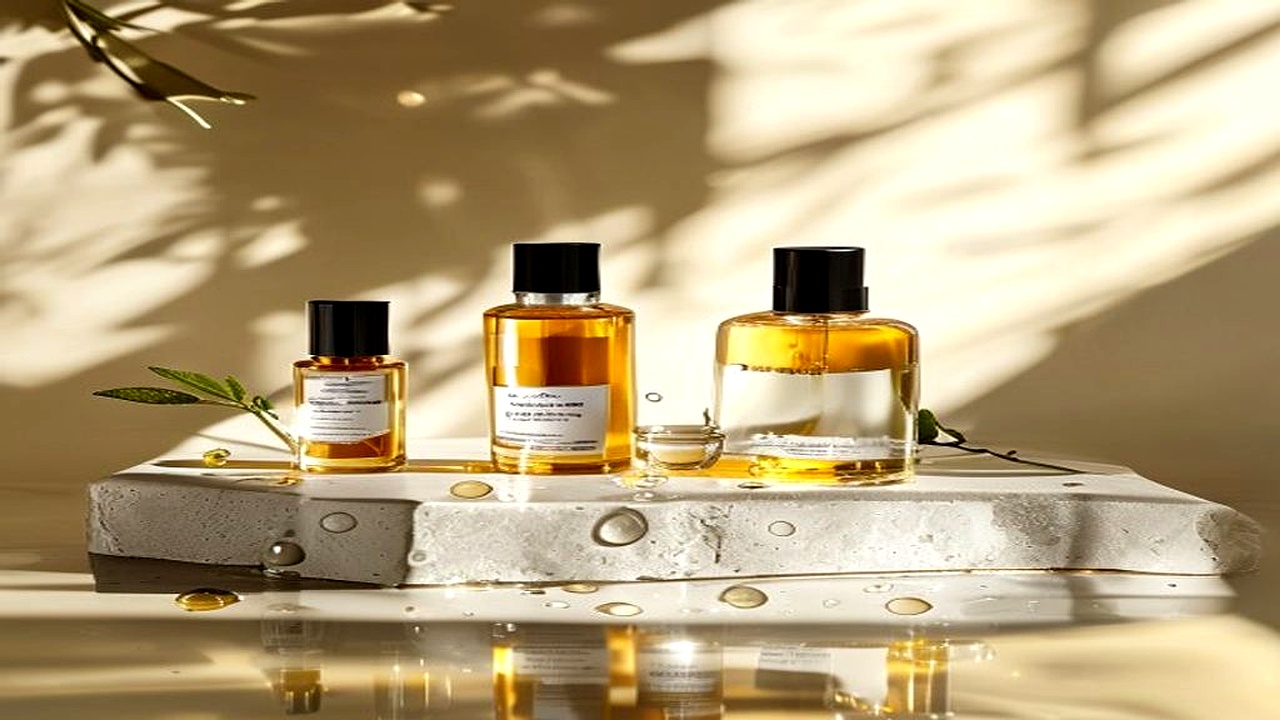
What are Essential Oils and how do they work?
In simple words, Essential Oils are concentrated volatile liquids extracted from plants. These oils contain the scent and bioactive properties of plants like lemon, lavender or tea tree. When they are added to the formulation, they rapidly evaporate over the skin barrier and some molecules penetrate inside.
Science says, compounds called terpenes or phenolics in them can work as antimicrobial or antioxidant. However, in concentrated form they can stimulate the sebaceous gland and nerve endings—which initially feels relaxing, then stinging.
Common Types Used in Skincare
- Lavender Oil: Known to be calming, but neat application can cause contact dermatitis.
- Tea Tree Oil: Recommended against Acne Vulgaris, but more than 5% concentration is risky.
- Rosehip Seed Oil: This is not a true Essential Oil, it is a Carrier Oil—so less irritating.
- Citrus Oils: Phototoxic from lemon or grapefruit; Sunlight increases the risk of Melanin or Hyperpigmentation.
Clean Label Does Not Mean Safe
The term “clean” is used quite loosely in marketing. When you see “natural fragrance” written on a serum, you know it contains essential oils. Although it is not a synthetic perfume, it is less predictable for your skin barrier.
If you look at the small table below, you will understand how much is tolerated:
| Oil Source | Typical Use % | Irritation Risk | Best For |
|---|---|---|---|
| Chamomile | 0.5% – 1% | Low (unless allergic) | Redness reduction |
| Peppermint | 0.1% – 0.5% | High (cooling burn) | None for thin skin |
| Sandalwood | 1% – 2% | Moderate | Mature skin tone |
It is seen that keeping the percentage value small reduces the risk. But most brands don’t disclose their exact concentration—that’s the big problem.
Irritation Mechanism in the view of science
When you apply a cream rich in essential oil, it crosses the stratum corneum (outer layer of the epidermis) and reacts with immune cells. For those whose skin is sensitive, it can be immediate flushing.
Long-term, repeated use compromises skin barrier function. As a result Transepidermal Water Loss (TEWL) increases. Dryness comes, along with breakouts. This is not irritant-induced acne vulgaris, but perioral dermatitis or eczema flare.
Ways to recognize
- If itching starts within 10 minutes after applying the product, that indicates the oil is harsh for you.
- If a dark patch appears in the afternoon after morning use, think Citrus-based Oil was Phototoxic.
- If regular use of Niacinamide or Ceramide does not repair, look for any “Parfum” or “Essential Oil” on the back.
Nilavy’s advice: How to navigate?
We at Nilavy believe, effective skincare should be minimal yet transparent. If you want to take advantage of Essential Oils, you can follow the routine below:
Step-by-Step Sensitive Skin Routine
- Step 1: Wash face with a fragrance-free Gentle Cleanser.
- Step 2: Use 2% Niacinamide Toner to strengthen the barrier.
- Step 3: Apply 1% Chamomile-infused Serum at night only, twice a week.
- Step 4: Finally seal with Squalane or Ceramide Moisturizer.
This way you get the botanical benefit, but avoid overexposure. Remember, mixing essential oils with actives like retinol or vitamin C is not a good idea—it increases inflammation.
Alternatives and Safer Botanicals
If you want a truly natural feel, choose the following instead of true essential oils:
Centella Asiatica Extract — It repairs skin barrier and reduces redness. Green Tea Polyphenols — lightweight and non-volatile as antioxidants. And Oat Kernel Oil — which is recommended by dermatologists to reduce itching.
There may be no fragrance in them, but the result comes safely.
Finally
Essential oils are not entirely bad, but blindly trusting them with their “clean” label is dangerous. If your skin is resilient, it will tolerate moderate use. But those who have the tendency of sensitivity, they should avoid neat formulations.
Know your epidermis, read the ingredient list, and always patch test before trying a new serum. From brands like Nilavy who prioritize transparency, learn how to balance nature and science. If you want to get clear, healthy skin, it is the real smart choice to use it.

About the Author
Maria is a beauty expert and skincare enthusiast dedicated to helping readers make confident, informed choices about their daily routines. With years of hands-on experience evaluating top skincare, haircare, and cosmetic trends, she cuts through the hype to deliver honest product recommendations, expert tips, and clear, practical advice you can rely on.