The Guide to Managing Dry Flaky Skin: Morning and Night Routines for a Healthy Glow
Dryness and Flakiness – these two are the biggest enemies of dry skin. When your skin barrier is damaged, moisture is lost to the air, causing the skin to become scaly and look like small skin flakes. At Nilavy, we believe that this problem can be solved with the right skincare routine and science-based approach.
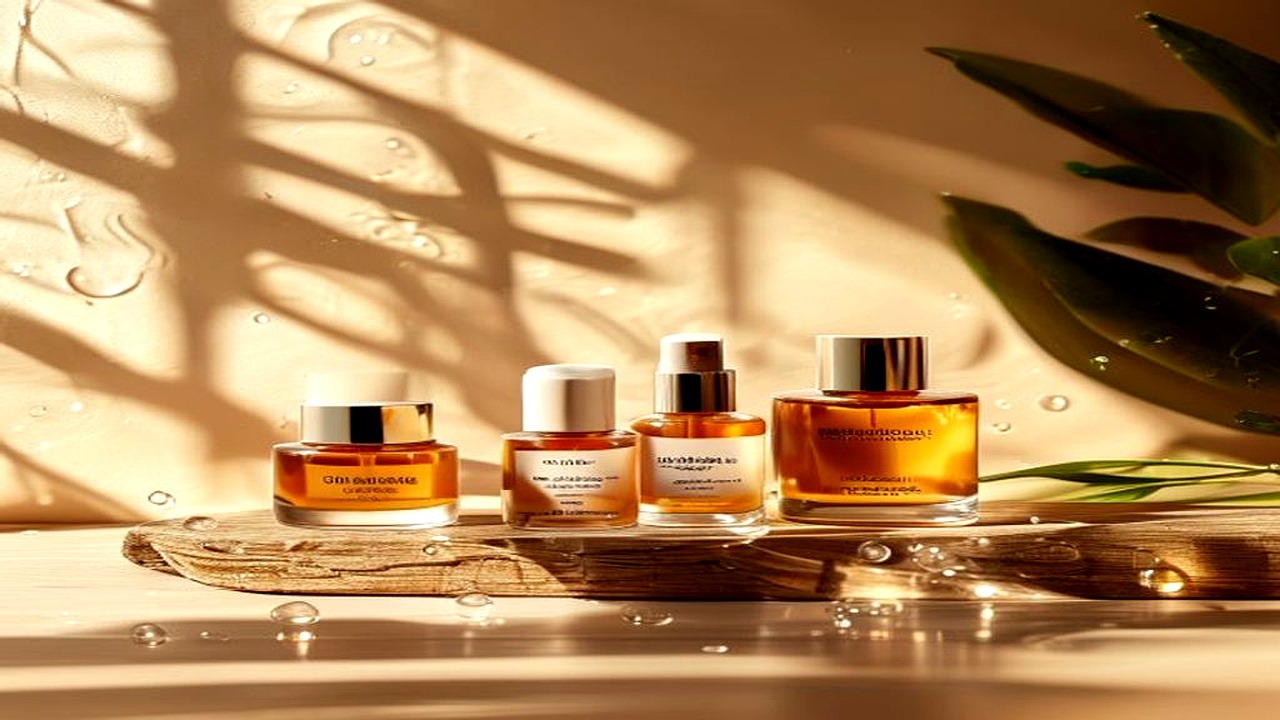
This detailed guide will teach you how to create an effective morning and night routine so that your skin regains its natural moisture and healthy glow.
Understanding the Science: Why Does Skin Become Dry and Flaky?
The topmost layer of our skin, which we call the Epidermis, acts like a coral reef. This barrier helps the skin retain hydration and protect it from external pathogens. But when our skin’s Lipids (natural oils) and Ceramides decrease, the effectiveness of the skin barrier decreases.
This causes the following problems:
- Transepidermal Water Loss (TEWL): Rapid evaporation of water from within the skin.
- Flakiness: Accumulation of dead skin cells on the skin without being shed properly.
- Rough Texture: Skin feels rough or uneven to the touch.
- Tightness: Skin feels too tight after washing face.
The Golden Rules for Dry Skin Care
Before starting any routine it is important to keep these 3 rules in mind:
- Avoid Harsh Cleansers: Do not use cleansers that are too drying or stripping the skin. Sulfate-free formula is best.
- Damp Skin Application: Always apply moisturizer or serum on slightly wet skin, so that moisture can be locked.
- Less is More: Don’t use too much product; Instead, choose a quality product rich in the right active ingredients.
The Perfect Morning Routine: Focus on Hydration & Protection
The main goal of the morning routine is to protect your skin from environmental stressors and dehydration throughout the day.
Step 1: Gentle Cleansing
There is no need to use a harsh cleanser in the morning. Use a Hydrating Cleanser or Milk Cleanser that cleanses without stripping the skin of its natural oils.
Step 2: Hydrating Essence or Toner
Use a Humectant rich toner to increase skin moisture. Toners with Hyaluronic Acid or Glycerin make the skin plump from within.
Step 3: Targeted Serum
If your skin needs extra brightness or protection, you can use a Vitamin C Serum. It acts as an antioxidant and protects the skin from free radicals. But if you have sensitive skin, use it carefully.
Step 4: Deep Moisturizer
This is the important step. Use a rich textured moisturizer that will seal your skin barrier.
Step 5: Sun Protection (Non-negotiable)
The sun’s ultraviolet rays or UV rays dry the skin even more. Therefore, a broad-spectrum SPF 30 or higher sunscreen must be used.
| Time of Day | Action | Key Ingredient to Look For |
|---|---|---|
| Morning | Cleanse | Ceramides, Glycerin |
| Morning | Hydrate | Hyaluronic Acid |
| Morning | Protect | Vitamin C, SPF 30+ |
The Night Routine: Focus on Repair & Deep Nourishment
At night, our body and skin engage in a self-repair process. This time we use ingredients that help the skin to rebuild from the inside.
Step 1: Double Cleansing
Massage with Oil Cleanser or Cleansing Balm to remove all-day dust and sunscreen, then wash with a gentle Water-based Cleanser.
Step 2: Exfoliation (Limit to 1-2 times a week)
For flaky skin it is important to remove dead skin cells. But avoid harsh physical scrub. Instead use a gentle AHA (Alpha Hydroxy Acid) like Lactic Acid or Mandelic Acid. It smooths the surface of the skin and retains moisture.
Step 3: Repairing Serum
A serum rich in Retinoids or Niacinamide is effective at night. Niacinamide regulates skin lipid production and repairs skin barrier.
Step 4: Intensive Night Cream/Face Oil
A heavy or rich texture night cream must be used at night. If you want, you can mix a few drops of Facial Oil (eg: Squalane or Rosehip Oil) with your moisturizer. It creates a protective barrier and locks in moisture overnight.
Morning vs. Night Routine Summary
| Feature | Morning Routine Goal | Night Routine Goal |
|---|---|---|
| Primary Focus | Protection & Hydration | Repair & Nourishment |
| Key Actives | Vitamin C, SPF | AHA, Retinol, Ceramides |
| Texture Preference | Lightweight & Absorbent | Rich & Occlusive |
Mistakes to Avoid: What to Do is Harmful to Your Skin
Do not make these mistakes while managing dry skin:
- Wash your face with hot water: Very hot water absorbs the natural oils of the skin. Always use lukewarm or normal temperature water.
- Over-exfoliating: Exfoliating daily will further damage the skin barrier. A maximum of 1-2 times a week is enough to use AHA.
- -> Skipping Moisturizer: Even if your skin is oily or normal, still don’t skip moisturizer. This is the biggest mistake in case of dry skin.
Key Ingredients to Look For: Which is Good for Your Dry Skin
Moisturizer alone is not enough to manage dry and flaky skin, having the right ingredients in your skincare routine is essential. In Nilavy’s research, we found that the following ingredients are most effective in repairing the skin’s moisture barrier:
- Hyaluronic Acid: It draws moisture deep into the skin and keeps the skin cells plump.
- Ceramides: It helps restore the natural lipid structure of your skin barrier, which prevents moisture loss.
- Squalane: It is a lightweight lipid that improves skin texture and provides deep hydration without any stickiness.
- Glycerin: It is a humectant that helps the skin retain moisture and eliminate flaky patches.
The Science of Skin Barrier: Why Is Your Skin Flaky?
Our skin has a natural protective layer on its surface which is called Skin Barrier. When this barrier is damaged, Transepidermal Water Loss (TEWL) increases, causing the skin to become dry and flaky.
Signs of a Damaged Skin Barrier:
- Excessive tightness or tension in the skin, especially after washing the face.
- Skin texture becoming rough and crusty.
- Redness and unwanted inflammation.
- Skin becomes dry after a few minutes even after using moisturizer.
Ingredient Comparison: Finding Your Perfect Match
Depending on your skin condition which ingredient is best for you is given below:
| Ingredient Category | Primary Function | Best For Skin Type | Avoid If… |
|---|---|---|---|
| Humectants | Attracts moisture to skin | Dehydrated Skin | Using in dry climates without occlusives |
| Occlusives | Seals moisture in | Very Dry/Flaky Skin | Oily or Acne-prone skin |
| Emollients | Smoothes skin surface | Rough Texture Skin | Highly sensitive reactive skin |
Advanced Skincare Techniques: How to Maximize Absorption
For your Skincare products to be more effective, you need to follow some advanced tips:
The Damp Skin Method:
Always try to apply moisturizer or serum in a slightly wet (damp) state without drying the face completely after the cleanser. It increases the ability to lock moisture many times.
Layering Technique (Thin to Thick):
Always start with the lightest or wateriest product and gradually move towards the thick or heavy consistency product. For example: First Toner, then Serum and finally Moisturizer or Face Oil.
Nilavy Pro-Tip for Flaky Skin
If your skin suddenly develops a lot of flakiness, stop using all actives (such as retinol or AHA) for a week. Follow a “Barrier Repair Routine” with only products rich in Ceramides, Hyaluronic Acid and Squalane. It will heal your skin quickly.
If you follow a proper and regular routine according to your skin type, you will get rid of dryness and flakiness and get back a healthy and healthy skin.

About the Author
Maria is a beauty expert and skincare enthusiast dedicated to helping readers make confident, informed choices about their daily routines. With years of hands-on experience evaluating top skincare, haircare, and cosmetic trends, she cuts through the hype to deliver honest product recommendations, expert tips, and clear, practical advice you can rely on.