Cruelty-Free vs Vegan Beauty: Clear Skincare Choices for Conscious Consumers
Conscious consumers these days want to know the truth behind every product on their shelf. Especially when it comes to clean, high-end skincare, two terms come up again and again: Cruelty-Free and Vegan. Many people think they are the same thing, but the reality is different. Read this deep-dive to understand where the difference lies, why it matters for your skin barrier, and how to make the right choice from a brand like Nilavy.
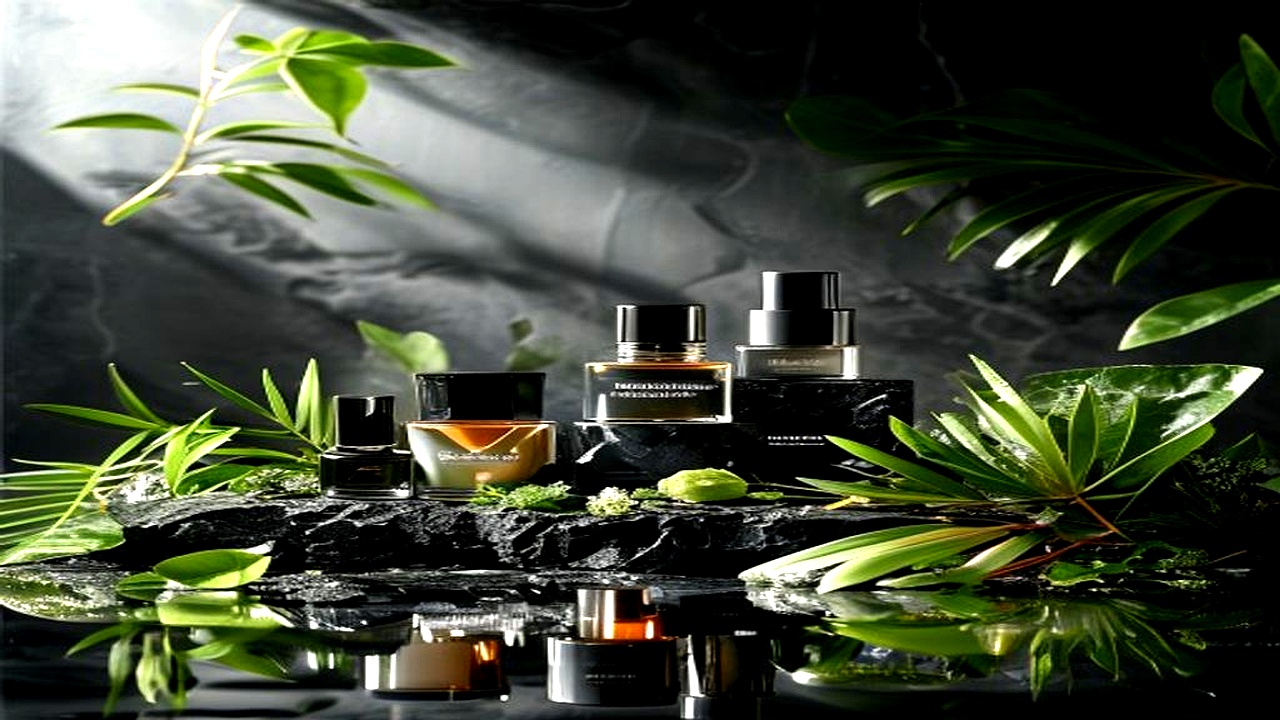
Understanding the Basic Definitions
Let’s first look at the two concepts separately. Cruelty-free does not mean that the product has not been tested on animals only at the final stage—it means that neither the finished product nor its individual ingredients have been tested on animals at any stage. On the other hand, a vegan beauty product refers to one that does not use any animal-derived ingredient (such as beeswax, lanolin, collagen).
A product can be cruelty-free but not vegan—like a honey-based moisturizer that hasn’t been tested anywhere. Again, a product can be vegan but not cruelty-free, if it is subject to mandatory animal testing in a market like China. You can see, there is overlap but there is no equivalence.
Why the Distinction Matters for Your Skin
The health of your epidermis and sebaceous gland directly depends on the type of formulation you are using. Vegan formulas are often made with plant-based lipids that can be non-comedogenic, meaning they don’t trigger acne vulgaris. But if that vegan product isn’t cruelty-free, the ethical cost behind it can weigh on your conscience—which can indirectly cause skin flare-ups through stress.
Cruelty-free certification usually ensures that the brand is audited by a body like Leaping Bunny or PETA. It gives confidence that no rabbit or guinea pig irritation test was conducted to make your Niacinamide Serum or Retinol Cream.
Common Misconceptions in the Market
- Many people think the “Natural” label means vegan—but milk protein or silk extract is natural, yet animal-derived.
- Don’t rely on “Not tested on animals” because there may be supplier-level testing that the brand doesn’t disclose.
- Vegan is only a matter of ingredient list; it does not guarantee sustainability or packaging.
The Science of Ingredients: Animal-Derived vs Plant-Based
Let’s see what is included and what is left out through a comparative table.
| Animal-Derived Component | Common Vegan Alternative | Skincare Function |
|---|---|---|
| Beeswax | Carnauba Wax | Occlusive layer for skin barrier |
| Lanolin | Squalane (Plant) | Emollient, moisture retention |
| Collagen (Marine/Bovine) | Bakuchiol or Peptide | Elasticity support |
| Carmine (Insect dye) | Mineral Pigment | Color in cosmetics |
These alternatives are refined in modern cosmetic chemistry so there is no performance deficiency. We use plant-sourced squalane in all of Nilavy’s serums to ensure your routine is fully vegan and cruelty-free.
How to Read Labels Like a Pro
Every day when you buy an exfoliator or cream, follow these steps to reduce confusion:
- First look for the certification logo on the back of the bag—the Leaping Bunny or Vegan Society mark means it is verified.
- Scan the ingredient INCI list; if you see glycerin (animal) written, then it may be non-vegan because the source is unclear. Plant glycerin should be written separately.
- Go to the brand’s website and read their animal testing policy—especially if it mentions third-party manufacturers.
- If you want to eliminate hyperpigmentation, choose vegan-cruelty-free items rich in vitamin C or alpha arbutin with no hidden animal byproducts.
Building a Conscious Routine with Nilavy
If your skin is sensitive or you are coming to the vegan route for the first time, you can use the following weekly plan. It has been found effective in our community.
Morning Protocol
First wash your face with a gentle cleanser that does not contain SLS. Then apply Niaminicide 5% Serum—it controls oiliness of the sebaceous glands and reduces redness. Finally, use vegan zinc oxide sunscreen that is certified cruelty-free.
Evening Protocol
If you use retinol in the initial stage of the routine, using it twice a week is enough. Peptide moisturizer that is lanolin-free for the rest of the days will help to repair the skin barrier. Remember, consistency is key.
Environmental and Ethical Impact
Being cruelty-free doesn’t just mean reducing animal suffering; it signals that brands believe in modern methods like in-vitro testing or computer modeling. Going vegan means reducing the carbon footprint of livestock farming, which ensures a better climate for the next generation. When these two come together in a product, it meets the standard of truly clean beauty.
At Nilavy we believe that no claim is meaningful without transparent communication. So we keep third-party audits for every batch. If you’re worried about acne vulgaris or dullness, try our vegan BHA liquid—it is completely cruelty-free and effective for clearing pores.
Quick Checklist Before You Buy
- Logo or not—having both (cruelty-free + vegan) is ideal.
- Is there any keratin or elastin (animal) in the ingredient?
- Does the brand say it but test it in the supply chain? Investigate.
- Will the formula suit your skin type? If you have dry skin, it is important to have shea butter (vegan).
Lastly, informed choice gives you real glow. Understanding the difference between cruelty-free and vegan means your epidermis will be better, and you’ll be part of a bigger responsible world. Stay with Nilavy, because we think clean skincare should be for everyone—without compromise.

About the Author
Maria is a beauty expert and skincare enthusiast dedicated to helping readers make confident, informed choices about their daily routines. With years of hands-on experience evaluating top skincare, haircare, and cosmetic trends, she cuts through the hype to deliver honest product recommendations, expert tips, and clear, practical advice you can rely on.