Plant-Based Squalane vs Shark-Derived Squalane: Why This Choice Matters in Your Skincare
When we look for a light moisturizer or facial oil, one of the most common ingredients on the label is Squalane. But not all squalane is the same. It comes from two main sources on the market—from shark liver or from plant-based botanicals such as olives, sugarcane, or rice bran. Why clean beauty brands like Nilavy use only plant-derived Squalane, and what is its effect on your skin health and the planet – today I will analyze it in depth.
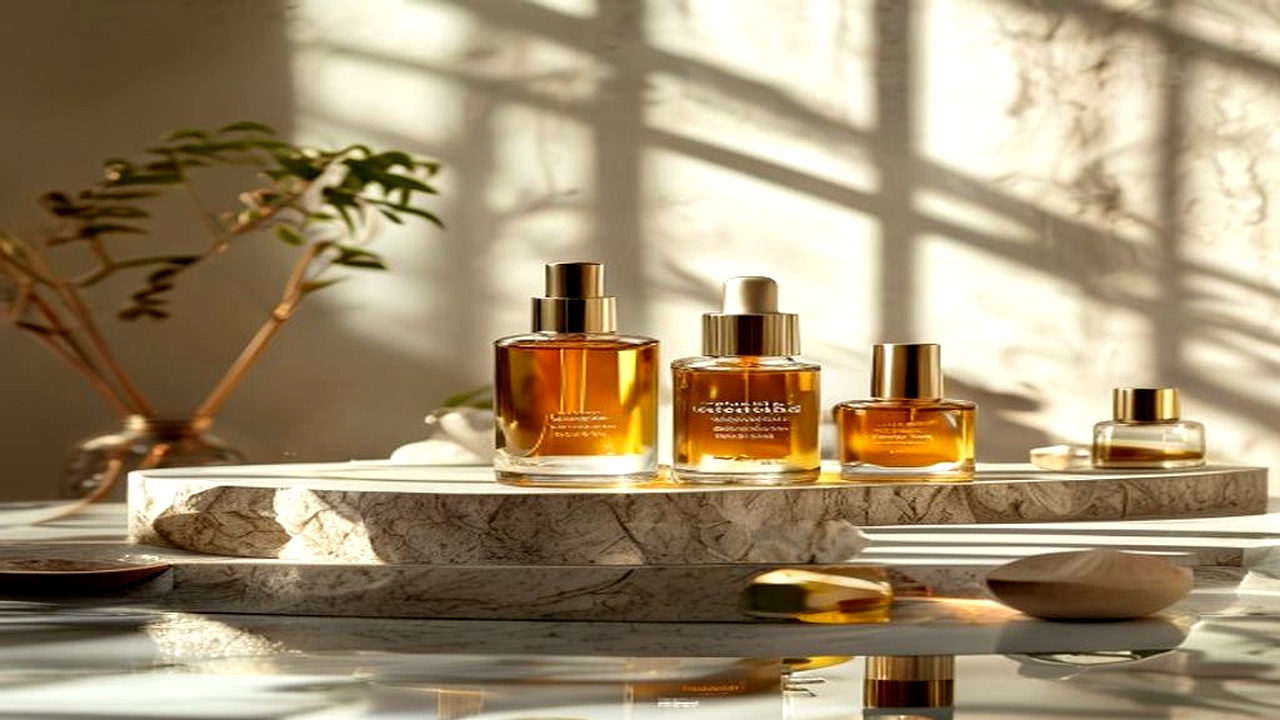
What is Squalane and its relationship to our Skin
First understand what Squalene (notice the ‘e’) actually is. It is a natural hydrocarbon that is secreted from our own Sebaceous Gland and helps to form the natural lipid layer of the skin barrier. As we age, our body’s natural squalene production declines—after thirty it declines by about 10% to 15%. Dryness, fine lines, and a compromised barrier appear as a result.
Here Squalane (with ‘a’) comes in processed form. Squalene is very unstable and oxidizes, so it is converted to squalane by hydrogenation so that it is shelf-stable. It is an emollient that creates an invisible shield on the epidermis, providing deep hydration without being heavy like an oil.
Key Differences Between the Two Sources: Shark-Derived vs Plant-Based
Historically, the cosmetic industry extracted squalene from the liver of large fish, especially deep-sea sharks. A mature shark’s liver can contain up to 80% of its body weight in oil. But this process is problematic.
Problems with Shark-Derived Squalane
- About 3 million sharks are killed every year just for liver oil, which harms marine ecosystems.
- Shark oil has a natural fragrance and is more likely to contain impurities, which can cause irritation on sensitive skin.
- Heavy metal contamination or ocean pollutants can accumulate in shark tissue, which can ultimately pass into your serum.
Benefits of Plant-Based Squalane
On the other hand, Squalane from olives or sugarcane is completely biodegradable and cruelty-free. Its molecular structure is 99% identical to the body’s natural squalene, so skin absorption is excellent. Nilavy’s formulators specifically choose olive-derived squalane because it is non-comedogenic and suitable for everyone, regardless of their climate.
| Feature | Shark-Derived Squalane | Plant-Based Squalane |
|---|---|---|
| Source | Shark liver oil | Olive, sugarcane, rice bran |
| Environmental Impact | High; threatens marine life | Low; renewable botanic source |
| Purity Level | May contain ocean toxins | High; refined and stable |
| Skin Feel | Slightly occlusive, odor possible | Weightless, odorless, fast-absorbing |
| Ethical Status | Not cruelty-free | Vegan and cruelty-free |
Science behind Plant Squalane’s Efficacy
When our Stratum Corneum—the outermost layer of the epidermis—is dehydrated, Trans-Epidermal Water Loss (TEWL) increases. Plant Squalane creates a non-occlusive but breathable seal that doesn’t let water out, but doesn’t block pores.
Also, it shows antioxidant properties that fight against free radicals. Regular use can reduce hyperpigmentation and improve overall skin texture. Studies have shown that adding 2% to 5% squalane concentration to a routine leads to measurable hydration increases within 4 weeks.
How to Add to Your Skincare Routine
Below is a simple step-by-step guide to properly use Nilavy’s plant squalane infused products:
- Clean the face thoroughly with cleanser, go to the next step when the skin is wet.
- Apply a light toner or essence to create a moisture base.
- Then apply your serum (such as Vitamin C or Niacinamide).
- Finally take 2-3 drops of Plant Squalane Oil and rub it on the palm and gently press it on the face. This will lock the previous layers.
- Sunscreen must be used in the morning because UV protection with antioxidant is essential.
Those with Acne Vulgaris or oily skin can also use it without fear as it does not form comedones. But initially it is wise to start once a day at night.
Why Nilavy Sticks to Plant-Based Only
Our brand philosophy is simple: to be clean, it must be responsible for the environment and animals. Shark populations are already overexploited, and repairing our skin barrier does not mean endangering any ocean species.
The Squalane we use is certified vegan and third-party tested, to ensure that the formula contains no animal byproducts. Especially for sensitive or reactive skin types, this purity is a key differentiator.
Common Misconceptions and Truths
Many consider the shark-based version “more authentic” because it comes from an animal source. In reality, molecularly both work the same, but the plant version is more sustainable and less risky. Another myth is that using something like an oil will cause breakouts—squalane doesn’t make that list because it has a comedogenic rating of 0.
Final Advice
If you’re looking for an effective yet gentle moisturizer that will strengthen your skin barrier and protect the Earth, read the label and make sure it says “plant-derived Squalane.” You will find this transparent sourcing in all Nilavy facial oils and creams.
Skin care should never be a matter of compromise, and if that care is conscious, then there is no question. Ditch shark-derived ingredients from your routine today and switch to nature’s best emollient.

About the Author
Maria is a beauty expert and skincare enthusiast dedicated to helping readers make confident, informed choices about their daily routines. With years of hands-on experience evaluating top skincare, haircare, and cosmetic trends, she cuts through the hype to deliver honest product recommendations, expert tips, and clear, practical advice you can rely on.