What is Squalane Oil and How Does It Mimic Our Skin Sebum?
The demand for clean and high-end skincare in the global beauty industry is now at a peak. Currently, one of the most loved and talked about ingredients among skincare lovers is Squalane Oil. Many skincare brands are using this ingredient in their formulas. But the question may arise, why is this oil so special? Why is it considered a skincare beneficial ingredient?
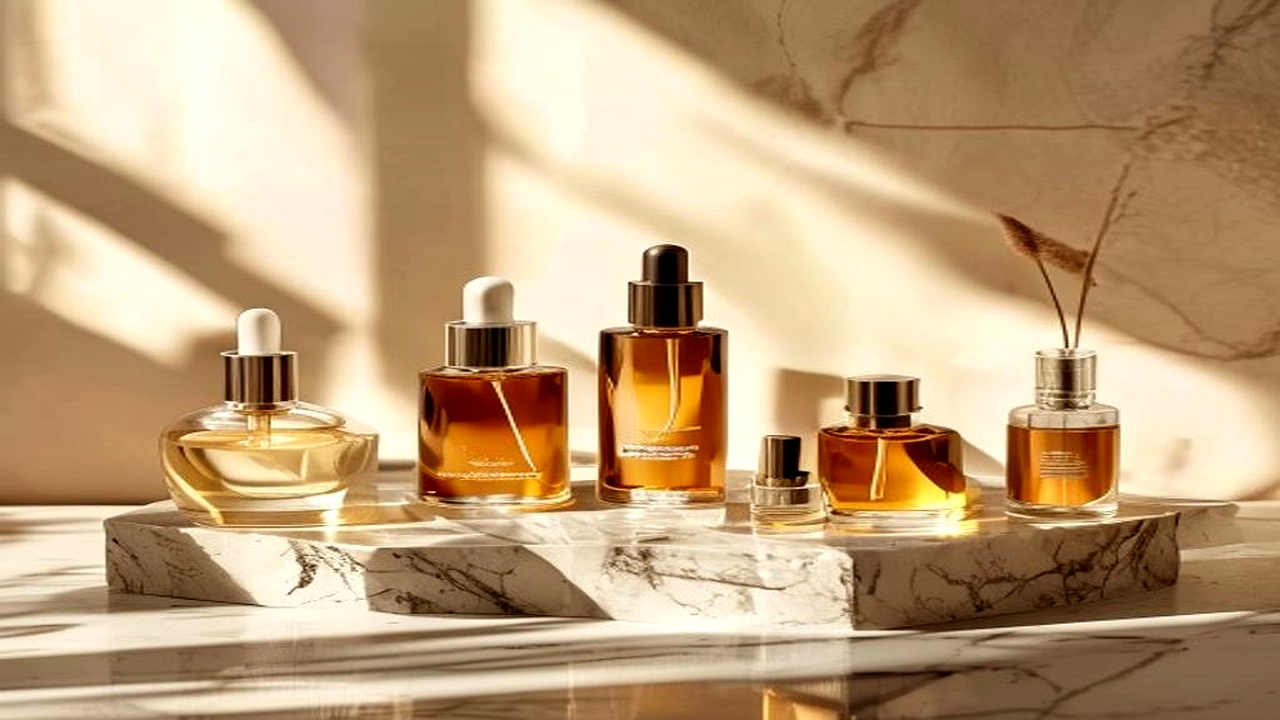
The secret lies in our skin’s own biology. Squalane oil can closely mimic our skin’s natural oil or Sebum. It is so biocompatible that our skin directly accepts it without considering it as a harmful external ingredient. In today’s detailed guide we will discuss what Squalane is, how it works, the difference between Squalene vs Squalane and how it can transform your daily skincare routine.
—
Squalene vs. Squalane: The Subtle But Key Difference
It is better to clear up an urgent matter first. We see two names on skincare products—Squalene (spelled ‘e’) and Squalane (spelled ‘a’). These two elements are not the same, but they are deeply related.
- Squalene (with an ‘e’): It is a natural lipid produced naturally by our liver and the Sebaceous Glands of the skin. Squalene makes up about 10% to 12% of our skin’s natural sebum. It helps to keep the skin soft and retain moisture. But one of its major problems is that it is unstable and unsaturated. As soon as it comes in contact with oxygen in the air, it gets oxidized. This oxidation can lead to clogged pores and acne vulgaris.
- Squalane (with an ‘a’): To solve this problem, Squalene is converted to Squalane through Hydrogenation process in the laboratory. Squalane is a fully saturated oil. Due to this hydrogenation process it becomes stable and does not oxidize easily. Its shelf life is long and it does not create any sticky or heavy feeling on the skin.
Let us understand their difference more easily from the table below:
| Characteristics | Squalene (with an ‘e’) | Squalane (with an ‘a’) |
|---|---|---|
| Source | Natural (Human sebum, shark liver, plants) | Hydrogenated version of Squalene |
| Stability | Highly unstable, easily oxidized | Stable, long shelf life |
| Texture | Heavy and oily | Lightweight, non-greasy, fast-absorbing |
| Comedogenicity | Can clog pores when oxidized | 100% Non-comedogenic |
| Skincare Usage | Rarely used in pure form | Widely used in luxury serums and creams |
—
Sebum Mimicry: How Squalane Mimics Our Skin’s Natural Oils?
The Skin Barrier or Acid Mantle plays a crucial role in protecting the outer layer of our skin i.e. the Epidermis and maintaining moisture. This barrier is mainly made up of water and a type of natural oily fluid or sebum. Sebum’s main function is to prevent Transepidermal Water Loss (TEWL) or evaporation of water from the skin.
As we age, especially after the age of 25, the production of natural squalene in the skin begins to decline rapidly. As a result, the skin becomes dry, rough and Fine Lines and Wrinkles appear.
This is where Squalane Oil works effectively. Because its molecular structure is so close to our skin’s own natural sebum, our skin cells recognize it as a familiar substance.
When you apply squalane to the skin, it creates a light protective emollient layer on the skin’s surface. It can penetrate deep into the skin without any heavy or greasy residue. It mimics the skin by signaling to our Sebaceous Glands that the skin has enough oil, thereby controlling excess oil or sebum production. This is the magic of Squalane’s sebum mimicry.
—
Scientific Benefits of Squalane Oil in Skin Care
As a versatile ingredient, Squalane Oil is suitable for all skin types. The positive changes that occur in the skin with its regular use are discussed in detail below:
1. Deep hydration and moisture protection (Intense Hydration)
Squalane is an excellent Emollient. It fills the spaces between the skin cells making the skin soft and smooth. It locks moisture deep into the skin and prevents Transepidermal Water Loss (TEWL), which is very important for dry and dehydrated skin.
2. Non-comedogenic & Acne-Safe (Non-comedogenic & Acne-Safe)
Many people think that using face oil may increase acne or breakout. But with Squalane, the matter is completely different. It is completely Non-comedogenic, which means it will not clog or close your skin pores. It is safe even for oily and acne-prone skin, as it helps to balance the skin’s own oils.
3. Strong antioxidant protection (Antioxidant Protection)
Squalane has powerful Antioxidant properties. It protects our skin from harmful free radicals and environmental stressors. It helps prevent oxidative damage to the skin caused by UV rays, thus preventing the skin from aging prematurely.
4. Increasing skin elasticity and anti-aging (Anti-Aging & Elasticity)
Regular use of Squalane accelerates the skin’s collagen production process. It keeps the skin plump, thereby reducing Fine Lines, Wrinkles and loss of elasticity. Skin looks youthful and radiant.
5. Healing of sensitive skin (Soothes Sensitive & Irritated Skin)
Squalane is a great option for those with highly sensitive skin or those suffering from conditions such as Eczema, Psoriasis, or Rosacea. It is effective in relieving skin redness and inflammation. Its anti-inflammatory properties help to quickly repair the damaged Skin Barrier.
—
The Importance of Sourcing: Olive, Sugarcane or Shark?
As interesting as Squalane’s functionality is, knowing its sourcing or where it is being collected from is just as important to our environment and ethics. In the past, Squalene was mainly obtained from shark liver. Millions of sharks were poached due to this inhumane and environmentally-destructive process, which is harmful to marine ecosystems. Even some species of sharks were almost extinct.
Today clean beauty brands like Nilavy strictly adhere to cruelty-free and vegan sourcing. Squalane in the modern cosmetics industry is mainly collected from two main plant sources:
- Olive-derived Squalane: Squalane extracted from olives is very popular. However, its qualitative meaning may vary slightly based on the quality of the olive harvest and the weather. Squalane derived from high-quality olive oil is beneficial for the skin, as it contains high amounts of vitamin E and fatty acids. However, its production process is relatively expensive so the price may be a bit high.
- Sugarcane-derived Squalane: Squalane derived from sugarcane is a relatively new source. This process is more sustainable and environmentally friendly, as it comes from renewable sources. Sugarcane-derived Squalane has high purity and stability, providing long-term benefits in skin care.
However, many people ask – Which is the best Squalane? In fact, regardless of the source, quality Squalane should have a few characteristics:
- 100% Purity: Must be free of any artificial additives or chemicals.
- Cruelty-free source: Not harvested from shark liver.
- Environmentally friendly production process: Sustainable agricultural practices should be followed.
- Skin Compatible: Absorbs quickly and leaves skin feeling smooth without leaving a heavy or oily feeling.
Squalane Source Comparison: Olive vs. Sugarcane
A comparison between the two main plant sources reveals that each source has its own advantages and limitations. The following table will make it easy to understand which source may be more suitable for you:
| Properties | Olive-derived Squalane | Sugarcane-derived Squalane |
|---|---|---|
| Source | Extracted from the fruit of the olive tree | Extracted from sugarcane juice |
| Environmental Impact | Medium. Olive cultivation requires a lot of water and land. | High. Sugarcane is a fast growing crop and renewable resource. |
| Benefits for skin | High in vitamin E and fatty acids, which increase skin elasticity and act as antioxidants. | Very pure and stable. Absorbs quickly into the skin and does not leave a greasy feel. |
| Price | Relatively high, because the production process is expensive. | Relatively cost effective, because the production process is more efficient. |
| Ideal for those who prefer natural and high quality materials. | Ideal for those who prefer eco-friendly and sustainably sourced materials. |
Which source to choose?
The source of Squalane should be selected depending on your skin type and personal preference. If you prefer high-quality and nutritious ingredients, then Olive-derived Squalane may be ideal for you. On the other hand, if you prefer environmentally friendly and sustainably sourced ingredients, then Sugarcane-derived Squalane is more suitable for you.
But remember, before using any type of Squalane, be sure of its purity and source. When purchasing from brands like Nilavy, look for their cruelty-free and vegan certification, so you can be sure you’re using a product that’s not only good for the skin, but also good for the environment and animals.
Looking to the Future: Innovative Squalane Sources
As plant-derived squalane grows in popularity, scientists are researching new and more sustainable sources. These include:
- Yeast-derived Squalane: Squalane derived from yeast is highly pure and environmentally friendly. This process has been made more efficient through genetic engineering, which helps reduce production costs.
- Amaranth-derived Squalane: Squalane derived from a superfood called amaranth is rare and high quality. It is considered as a valuable and sustainable source for the skin.
- Algae-derived Squalane: Squalane derived from seaweed is completely harmless to marine ecosystems and is considered a renewable source. It is gentle on the skin and hypoallergenic.
These innovative sources will help make the production of Squalane more sustainable and environmentally friendly in the future. As a result, we will see more cruelty-free and vegan squalane products in the future, which will further improve our skin care habits.
Conclusion
Squalane is an important ingredient in the skin care world, mimicking our skin’s natural sebum and providing numerous benefits from deep hydration to anti-aging. But we have to be careful when choosing its sources—to ensure that we don’t harm the environment, don’t do any kind of cruelty to animals, and above all, use quality products.
Currently, Olive-derived and Sugarcane-derived Squalane are the most popular and sustainable sources. But in the future, more innovative sources like Yeast, Amaranth, or Algae-derived Squalane may come, which will improve our skin care habits.
Choose Squalane based on your skin type and personal preference. But always make sure you’re buying from a brand that’s cruelty-free, vegan, and environmentally friendly. When purchasing from brands like Nilavy, look into their certification and provenance, so you can be sure you’re using a product that’s not only good for the skin, but also good for the environment and animals.
So, incorporate Squalane into your skincare routine today and enjoy its benefits. Remember, good skin isn’t just about using good products—choosing the right source and being aware of it is just as important.

About the Author
Maria is a beauty expert and skincare enthusiast dedicated to helping readers make confident, informed choices about their daily routines. With years of hands-on experience evaluating top skincare, haircare, and cosmetic trends, she cuts through the hype to deliver honest product recommendations, expert tips, and clear, practical advice you can rely on.