Marula Oil: The good Guide to Nature’s Liquid Gold for Your Skin
What Is Marula Oil? The Science Behind This African Superfruit
Marula oil comes from the kernels of the Sclerocarya birrea tree, native to Southern Africa. This fruit has been used for centuries in traditional African medicine, but modern science now confirms what ancient healers already knew: Marula oil is a powerful skin-loving nutrient source.
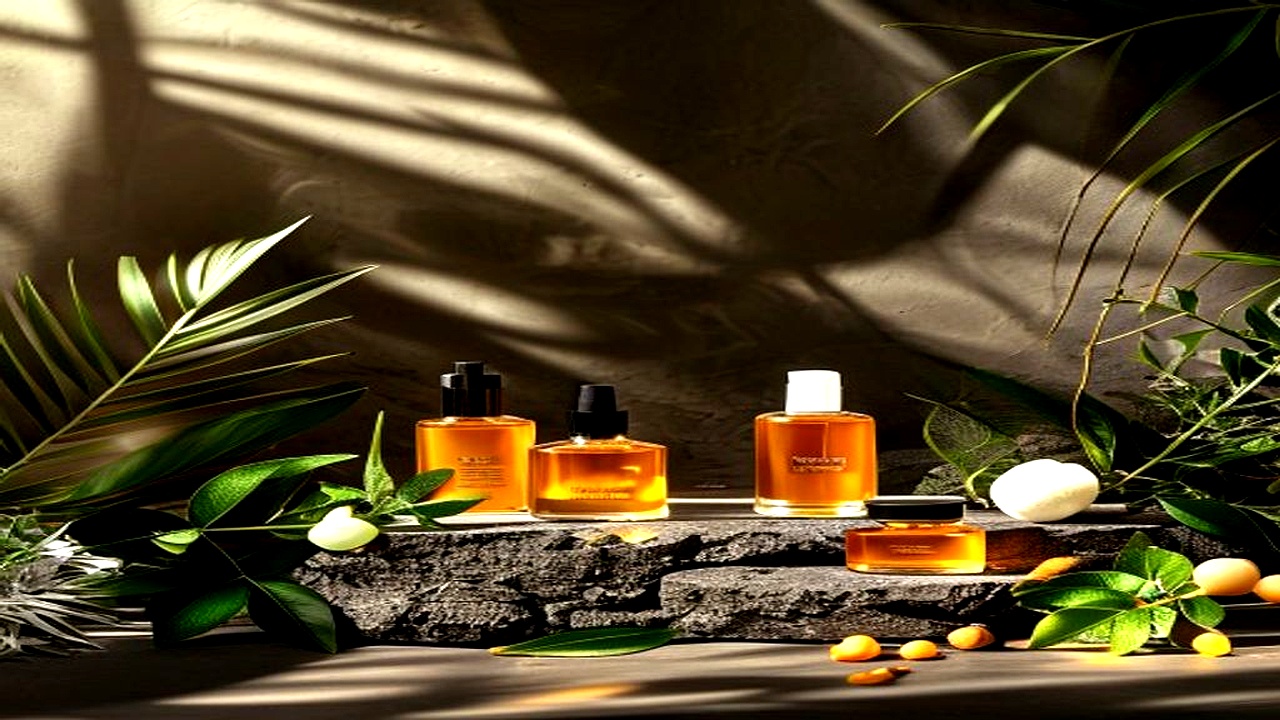
Extracted through cold-pressing, the oil retains its natural vitamins, antioxidants, and fatty acids—making it a luxurious, nutrient-dense botanical oil that deeply nourishes and protects the skin.
Why Is It Called “Liquid Gold”?
Marula oil earns its nickname because of its golden hue and strong benefits. Unlike many plant oils, it’s rich in:
- Omega-9 (Oleic Acid) – 70-75%: A lightweight, deeply penetrating fatty acid that mimics the skin’s natural lipids.
- Omega-6 (Linoleic Acid) – 4-7%: Helps strengthen the skin barrier and reduce moisture loss.
- Vitamin E (Tocopherols) – High levels: A potent antioxidant that fights free radicals and supports skin repair.
- Vitamin C (in trace amounts): Boosts collagen production and brightens skin tone.
- Protein & Amino Acids: Aid in skin regeneration and wound healing.
Who Should Use Marula Oil? The Ideal Skin Types & Concerns
Marula oil is a versatile, non-comedogenic oil, meaning it won’t clog pores—even for acne-prone skin. Here’s who benefits the most:
✅ Best For These Skin Types:
- Dry & Dehydrated Skin – Its high oleic acid content provides strong hydration without heaviness.
- Mature Skin – Rich in antioxidants and vitamin E, it helps reduce fine lines and improve elasticity.
- Combination Skin – Balances oil production while nourishing drier areas.
- Sensitive & Redness-Prone Skin – Soothes irritation and strengthens the skin barrier.
- Oily & Acne-Prone Skin – Non-greasy yet regulates sebum, making it great for breakout-prone skin.
- Eczema & Psoriasis-Prone Skin – Its anti-inflammatory properties calm flare-ups.
❌ Not Ideal For (Rare Cases):
- Those with a known allergy to nuts (since marula is a tree nut oil). Always patch-test first!
- People using heavy occlusive balms (if you prefer a non-oil moisturizer, marula can be layered under lighter textures).
Marula Oil vs. Other Popular Oils: How Does It Compare?
Not all oils are created equal. Here’s how marula oil stacks up against other skincare favorites:
| Oil | Best For | Absorption | Comedogenic Rating (0-5) | Key Benefits |
|---|---|---|---|---|
| Marula Oil | All skin types, especially dry/mature | Lightweight, fast-absorbing | 2-3 (low) | Antioxidant-rich, anti-aging, soothing |
| Rosehip Oil | Scarring, hyperpigmentation | Medium-weight | 1 (very low) | High in vitamin A (retinol-like), brightening |
| Argan Oil | Dry skin, stretch marks | Rich, slightly heavier | 0 (non-comedogenic) | Vitamin E, anti-inflammatory |
| Jojoba Oil | Oily/acne-prone skin | Balances sebum | 2 (low) | Mimics skin’s natural oils, regulates shine |
| Squalane (Plant-Based) | All skin types, sensitive skin | Ultra-lightweight | 0 (non-comedogenic) | Deep hydration, non-greasy |
Note: Marula oil is often compared to argan oil due to its high vitamin E content, but marula absorbs faster and is richer in oleic acid, making it better for dry skin.
How to Use Marula Oil in Your Skincare Routine
Marula oil is flexible—you can use it in multiple ways depending on your skin’s needs. Here’s a step-by-step guide:
🔹 Step 1: Cleanse & Prep (AM/PM)
Always apply marula oil to clean, damp skin for maximum absorption. If using in the morning, follow with sunscreen.
🔹 Step 2: Application Methods
Choose one (or combine!) based on your skin goals:
A. As a Moisturizer (Standalone or Layered)
- For Dry Skin: Apply 2-3 drops after serum or directly on damp skin.
- For Oily Skin: Mix 1 drop with your moisturizer to dilute without losing benefits.
B. As a Serum Booster
Mix 1-2 drops with your hyaluronic acid serum or vitamin C serum to enhance penetration and antioxidant protection.
C. As a Night Treatment
Apply a few drops before bed to support skin repair overnight. Works well with retinol (layer marula oil first to buffer irritation).
D. As a Makeup Primer
Apply a tiny amount before foundation to blur pores and add a dewy glow.
E. For Body & Hair (Bonus Uses!)
- Cuticles & Nails: Rub a drop into nails to strengthen and hydrate cuticles.
- Hair Mask: Mix with coconut oil for dry ends (leave for 30 mins before washing).
- Body Moisturizer: Dab on elbows, knees, or rough patches.
🔹 Step 3: Frequency & Layering
Start with 1-2 times daily (morning or night). If your skin tolerates it well, you can use it up to 3 times a day.
Pro Tip: If you have sensitive skin, introduce it gradually (2-3 times a week) to avoid irritation.
Marula Oil Before & After: Real Results & Expected Timeline
While results vary by skin type, most people notice improvements within:
- 1-2 weeks: Skin feels softer and more supple.
- 4-6 weeks: Reduced fine lines, improved elasticity, and a more even skin tone.
- 3+ months: Long-term benefits like scar reduction, stronger barrier, and sustained hydration.
For acne scars & hyperpigmentation, combine with niacinamide or vitamin C for faster results.
Potential Side Effects & How to Avoid Them
Marula oil is generally safe, but rare reactions can occur:
- Allergic Reaction: Patch-test on your wrist or jawline before full-face use.
- Breakouts (for acne-prone skin): If your skin is reactive, start with a tiny amount and monitor.
- Greasiness: Use sparingly—1-2 drops are enough for the entire face.
What to do if irritation occurs? Discontinue use and consult a dermatologist.
Where to Buy Authentic Marula Oil & What to Look For
Not all marula oils are equal. Here’s how to pick a high-quality one:
✔️ What to Check on the Label:
- 100% Pure, Cold-Pressed, Unrefined – Avoid refined or diluted versions.
- Origin: Look for Southern Africa (Namibia, South Africa, Botswana)—these regions produce the highest-quality marula oil.
- Packaging: Dark glass bottle (to protect from light degradation).
- Certifications: Organic, COSMOS, Ecocert, or USDA Organic if possible.
❌ Red Flags to Avoid:
- Added fragrance or fillers (can irritate sensitive skin).
- Cheap, diluted versions (often mixed with other oils).
- Plastic packaging (oils oxidize faster in plastic).
💰 Price Range (Approximate):
- Budget-Friendly: $10-$20 (for smaller bottles).
- Mid-Range: $20-$40 (for 30-50ml high-quality oil).
- Luxury: $40-$80+ (for organic, single-origin, or luxury brands).
Top 5 Marula Oil Products to Try in 2024
Based on purity, absorption, and user reviews, here are the best marula oils available:
| Brand | Key Features | Best For | Price (Approx.) |
|---|---|---|---|
| Marula Oil by Marula Miracle | 100% pure, single-origin (Namibia), cold-pressed | All skin types, especially dry/mature | $25 (30ml) |
| The Ordinary 100% Organic Cold-Pressed Marula Oil | Affordable, no additives, fast-absorbing | Oily/acne-prone, budget-friendly | $12 (30ml) |
| Biossance 100% Squalane + Marula Oil | Blended with squalane for extra hydration | Very dry or sensitive skin | $58 (30ml) |
| Acure The Seriously Soothing Cloudburst Cream (with Marula Oil) | Pre-formulated with marula + other soothing ingredients | Sensitive, redness-prone skin | $18 (50ml) |
| Drunk Elephant Virgin Marula Luxury Facial Oil | Luxury blend, antioxidant-rich, fast-absorbing | Mature skin, anti-aging | $78 (30ml) |
Marula Oil Myths Debunked: What It CAN and CAN’T Do
Let’s clear up some common misconceptions:
❌ Myth 1: “Marula oil can replace sunscreen.”
Reality: While marula oil has antioxidants that protect against free radicals, it does NOT have SPF. Always use a broad-spectrum sunscreen in the morning.
❌ Myth 2: “It’s only for dry skin.”
Reality: Marula oil is non-comedogenic and works for oily skin too—it helps balance sebum without clogging pores.
❌ Myth 3: “The more you use, the better the results.”
Reality: A little goes a long way! Overusing can leave a greasy film. Stick to 1-3 drops per application.
✅ What It Actually Does Well:
- Strengthens the skin barrier.
- Reduces the appearance of fine lines.
- Calms redness and irritation.
- Improves skin texture and glow.
- Helps fade scars and hyperpigmentation over time.
Marula Oil DIY Recipes for Extra Glow
DIY skincare isn’t just about saving money—it’s about crafting treatments that speak directly to your skin’s unique needs. Marula oil, with its lightweight texture and nutrient-dense profile, serves as the perfect base for homemade masks, serums, and spot treatments. Whether you’re looking to boost hydration, soothe irritation, or add a radiant glow, these recipes let you harness the power of marula oil in its purest form. The best part? You can whip them up in minutes using ingredients you likely already have at home.
🌿 DIY Marula Oil Face Mask (For Dry Skin)
Winter dryness or dehydrated skin? This mask is your winter rescue squad. Honey acts as a humectant to pull moisture into the skin, while yogurt’s lactic acid gently buffs away dullness without stripping your barrier. Marula oil seals everything in, leaving your complexion plump and luminous.
- 1 tbsp marula oil
- 1 tsp raw honey (antibacterial + humectant)
- ½ tsp plain yogurt (lactic acid for gentle exfoliation)
- Optional: 2 drops rose water (for fragrance + extra soothing)
How to use: Mix ingredients into a smooth paste. Apply to clean, dry skin and leave on for 10–15 minutes. Rinse with lukewarm water. Use 1–2 times per week, especially during colder months or after sun exposure.
Pro tip: Store any leftover mixture in an airtight glass jar in the fridge for up to 3 days. Warm slightly between palms before reapplying.
🌿 Marula Oil & Aloe Vera Gel (For Oily/Acne-Prone Skin)
Oily or acne-prone skin often craves balance—not heavy oils. But here’s the twist: marula oil is non-comedogenic and absorbs quickly, making it ideal for controlling shine while delivering antioxidants. Aloe vera calms redness and reduces inflammation, perfect for post-cleansing or post-acne spots.
- 1 tbsp aloe vera gel (soothing + oil-free hydration)
- 5 drops marula oil
- Optional: 1 drop tea tree oil (antibacterial, dilute well!)
How to use: Blend gently and apply as a lightweight moisturizer or spot treatment. Use morning and night after cleansing. Avoid if you have a known aloe allergy.
Bonus: Add 1 tsp rose water for a refreshing, balancing mist before applying the gel.
🌿 DIY Marula Oil & Turmeric Glow Serum (For Dull or Mature Skin)
Want that lit-from-within glow? Turmeric is a powerful anti-inflammatory and brightening agent, while marula oil enhances elasticity and smooths fine lines. This serum is perfect for evenings when you want to wake up with radiant skin.
- 1 tbsp marula oil
- ¼ tsp turmeric powder (brightening + antioxidant)
- 1 tsp rosehip oil (optional, for added vitamin A & C)
- 1 drop vitamin E oil (preservative + skin repair)
How to use: Mix turmeric into marula oil first (to avoid clumping), then add other oils. Apply 2–3 drops to face and neck at night. Patch test first—turmeric can stain sensitive skin.
Storage: Keep in a dark glass dropper bottle. Use within 2 weeks for best potency.
🌿 Marula Oil & Oatmeal Soothing Paste (For Sensitive or Irritated Skin)
Rosacea, eczema, or post-peel sensitivity? This ultra-gentle paste calms inflammation while repairing the skin barrier. Colloidal oatmeal coats and soothes, while marula oil restores lipid balance without clogging pores.
- 1 tbsp colloidal oatmeal (finely ground oats)
- 1 tbsp marula oil
- 1 tsp chamomile tea (cooled) (anti-inflammatory)
How to use: Mix into a thick paste. Apply to clean skin for 10 minutes, then rinse with cool water. Use 1–2 times weekly. Ideal for post-sun exposure or after using actives like retinol.
⚠️ Safety & Best Practices for DIY Marula Oil Blends
Even natural ingredients can cause reactions. Always perform a patch test on your inner arm 24 hours before full-face application. Avoid DIY recipes if you have:
- Known allergies to any ingredient (e.g., honey, aloe, turmeric)
- Open wounds, severe acne, or active infections
- Very sensitive skin prone to stinging or burning
Preservation Tips:
- Use clean, sterilized tools and containers.
- Store DIY blends in the fridge (except aloe-based ones, which may separate).
- Add 1 drop of grapefruit seed extract or vitamin E oil as a natural preservative.
- Label with date and discard after 1–2 weeks.
Conclusion
Marula oil isn’t just another skincare trend—it’s a time-tested elixir rooted in African tradition and backed by modern science. From its lightweight texture that absorbs effortlessly to its rich profile of fatty acids and antioxidants, it’s a versatile hero for nearly every skin type. Whether you’re layering it into your nightly routine, blending it into a DIY mask, or using it as a primer for makeup, marula oil delivers visible results: improved hydration, reduced redness, and a lit-from-within glow.
But remember—great skin isn’t built on a single ingredient. Pair marula oil with a consistent routine: cleanse gently, protect with SPF daily, and listen to your skin’s needs. And if you’re feeling adventurous, try one of the DIY recipes we shared. Not only will your skin thank you, but you’ll also gain a deeper connection to your self-care ritual.
Ready to experience the magic of marula oil? Start with a patch test, choose a high-quality, cold-pressed oil, and let nature’s liquid gold transform your complexion. Your skin deserves the best—and marula oil might just be the golden touch it’s been waiting for.

About the Author
Maria is a beauty expert and skincare enthusiast dedicated to helping readers make confident, informed choices about their daily routines. With years of hands-on experience evaluating top skincare, haircare, and cosmetic trends, she cuts through the hype to deliver honest product recommendations, expert tips, and clear, practical advice you can rely on.