Water Intake and the Real Secret to Skin Glow: Science-Backed Insights and Daily Skin Hydration Guide
We all have a common idea—”Drinking plenty of water throughout the day will make skin look healthy and all skin problems will disappear quickly.” But is it really possible to get glass skin only by increasing water intake? What does Skincare Science say? Water’s connection to our Skin Barrier, Hydration, and Natural Glow is profound, but it’s not just a simple equation like “drink 8 glasses of water.”
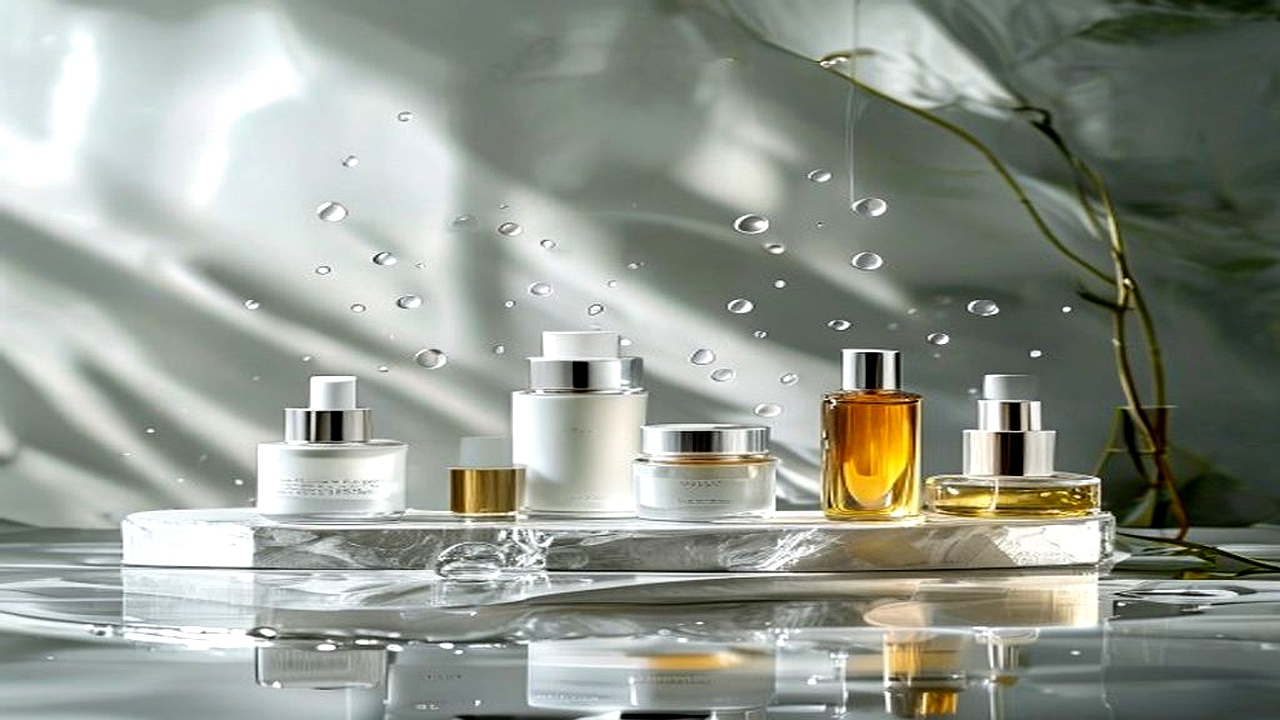
In today’s comprehensive educational guide, we’ll discuss how Water Intake works at your Cellular Level, what’s the key difference between Dehydrated Skin and Dry Skin, and how to achieve a healthy, radiant complexion by ensuring skin hydration—both inside and out—according to Nilavy’s clean-beauty philosophy.
1. How does hydration work at the cellular level? The Biology of Glowing Skin
Our skin basically consists of three layers: Epidermis, Dermis, and Subcutaneous Tissue. When we drink water, it does not directly reach our epidermis. It enters our Digestive System, is absorbed into the Bloodstream and reaches the vital organs of the body. Then it reaches the deep layer of the skin through the blood vessels in the dermis.
Skin’s outermost layer, which we call Stratum Corneum or Skin Barrier, its job is to retain moisture. When the body does not have enough water level, the skin starts to lose its elasticity. The role of water at the cellular level is immense:
- Cellular Turnover: Lack of sufficient water disrupts the natural shedding process or desquamation of skin cells. As a result, the skin looks dull and rough due to the accumulation of dead skin cells.
- Microcirculation: Good Blood Flow is active if the body has enough hydration. As a result, oxygen and essential nutrients can easily reach the skin cells, which provides a natural rosy glow.
- Toxin Elimination: Water intake activates our waste removal mechanism at the cellular level, which indirectly helps reduce acne and inflammatory skin conditions.
2. Dry Skin vs Dehydrated Skin: Do you know the exact difference?
Many people mistake Dry Skin and Dehydrated Skin for the same thing. But from the point of view of Skincare Science these two are completely different conditions. Dry skin is a skin type, whereas dehydrated skin is a temporary skin condition. Their key differences are discussed in detail below:
| Parameter | Dry Skin (Skin Type) | Dehydrated Skin (Skin Condition) |
|---|---|---|
| Root Cause | Deficiency of Natural Oil (Sebum) production in the body. It could be genetic. | |
| Symptoms | Flaky skin, roughness, redness and itching. Fine lines are less visible but the skin feels plump. | |
| How it feels when touched (Feel) | Always feels dry and crusty, even after using moisturizer. | |
| Solution | Using skincare products containing lipid-rich creams, facial oils and ceramides. | Increasing Internal Water Intake and Using Humectants (eg: Hyaluronic Acid, Glycerin). |
3. Can Water Really Reduce Wrinkles and Fine Lines?
The answer to this question is a bit subtle. Drinking water can’t directly remove aging signs like wrinkles permanently, but it helps maintain skin’s plumpness.
When the Stratum Corneum is sufficiently hydrated, the skin cells are swollen or plumped up. As a result, wrinkles and fine lines are temporarily covered and the skin looks smoother. On the other hand, when the body is dehydrated, the skin shrinks, which makes even the smallest fine lines appear deeper and more pronounced. So there is no alternative to a balanced diet and optimal water intake for long-lasting anti-aging benefits.
4. Inside-Out Synergy: The Scientific Way to Hydrate Skin from the Inside and Out
Just drinking gallons of water won’t make your skin glow if your skin barrier is damaged. Because the water you drink will evaporate through the process of Transepidermal Water Loss (TEWL). So we need a Dual-Action Approach.
Step 1: Internal Hydration (The Inside Approach)
- Optimal Fluid Intake: Drink an average of 2 to 3 liters (about 8-10 glasses) of clean drinking water per day. However, this amount may be more or less based on your physical activity and weather.
- Hydrating Diet: Include fruits and vegetables that have high water content in your diet instead of just liquid water. For example: Watermelon, Cucumber, Oranges, and Strawberries. Antioxidants and vitamins in them will support your collagen production.
- Electrolytes Balance: Drinking excess water can wash away essential minerals from the body. So drink bottled water (coconut water) or water mixed with a little salt which will maintain the electrolyte balance.
Step 2: External Hydration (The Outside Approach with Nilavy)
Following a proper topical skincare routine is very important to lock the water inside the skin. Here is an ideal hydrating routine:
- Gentle Cleansing: Do not use cleansers with harsh sulfates that strip the skin of its natural lipids. Use a pH-balanced, non-stripping cleanser.
- Apply Humectants on Damp Skin: Apply Hyaluronic Acid, Glycerin or Panthenol rich serum while the skin is slightly damp after washing the face. The function of Humectant is to attract water from the surrounding environment and the body and hold it on the surface of the skin.
- Seal with an Occlusive Barrier: Use a Rich Moisturizer with Ceramide, Squalane, or Shea Butter to keep moisture trapped in the humectant from escaping. It will rebuild your Skin Barrier and prevent Transepidermal Water Loss (TEWL).
5. Can excessive water intake be harmful to the skin?
As the saying goes, “Too much of anything is bad.” The same holds true for skincare and health. Drinking too much water can lead to a medical condition called hyponatremia, where the sodium level in the blood is too low.
When the balance of sodium in the blood is lost, the cells of the body absorb excess water and swell. As it is a serious health risk, it can also disrupt your skin’s natural cell functioning. So instead of forcing yourself to drink extra water, pay attention to the body’s natural thirst signals. Moderate and regular drinking of water is sufficient for healthy skin.
Answers to some Common Questions (FAQ) about Skin Hydration
1. Does coffee or tea dehydrate my skin?
Caffeine is a natural diuretic, which means it helps the body flush water through urine. However, drinking tea or coffee in moderate amounts (1-2 cups a day) does not directly dehydrate the skin. But excessive caffeine intake can definitely have a negative effect on skin health. Drinking an extra glass of water with every cup of coffee or tea can be a great solution.
2. I drink a lot of water, but why is my skin dry?
The main reason may be your skin barrier is damaged. If your skin’s protective lipid barrier is weak, no matter how much water you drink, it will be lost to the air through Transepidermal Water Loss (TEWL). To solve this problem, add barrier-repairing products rich in Ceramides, Fatty Acids, and Cholesterol to your skincare routine.
3. Is drinking hot turmeric water more effective for skin glow?
Drinking saffron warm water slightly increases the body’s core temperature, which helps improve blood circulation and lymphatic drainage. However, it does not cause any dramatic changes to the skin compared to cold or normal temperature water. The most important thing is to maintain the correct balance of water throughout the day, not the temperature of the water.
Conclusion: The Nilavy Philosophy on Radiant Skin
The key to a healthy, fresh and glowing skin is a perfect combination of internal health and external care. Drinking water keeps your skin cells alive, and the right skincare products lock that vitality into the skin.
At Nilavy we believe in blending natural and scientific ingredients. In addition to maintaining your daily water intake, develop a clean, nourishing, and hydration-focused skincare regimen to protect skin from external pollution and dryness. Pay attention to your skin’s needs today and unleash your eternal glow from within.

About the Author
Maria is a beauty expert and skincare enthusiast dedicated to helping readers make confident, informed choices about their daily routines. With years of hands-on experience evaluating top skincare, haircare, and cosmetic trends, she cuts through the hype to deliver honest product recommendations, expert tips, and clear, practical advice you can rely on.