The Guide to Ceramides and Skin Barrier Repair: The Key to Healthy, Radiant Skin
What we do for healthy skin! Even after trying various active ingredients, exfoliators and fancy skincare routines, skin suddenly becomes dull, dehydrated, and sensitive. If you apply a little product, it burns or redness appears. Do you know what the real reason is? Behind this is damage to your skin barrier and the most powerful ingredient in removing this damage is ceramides.
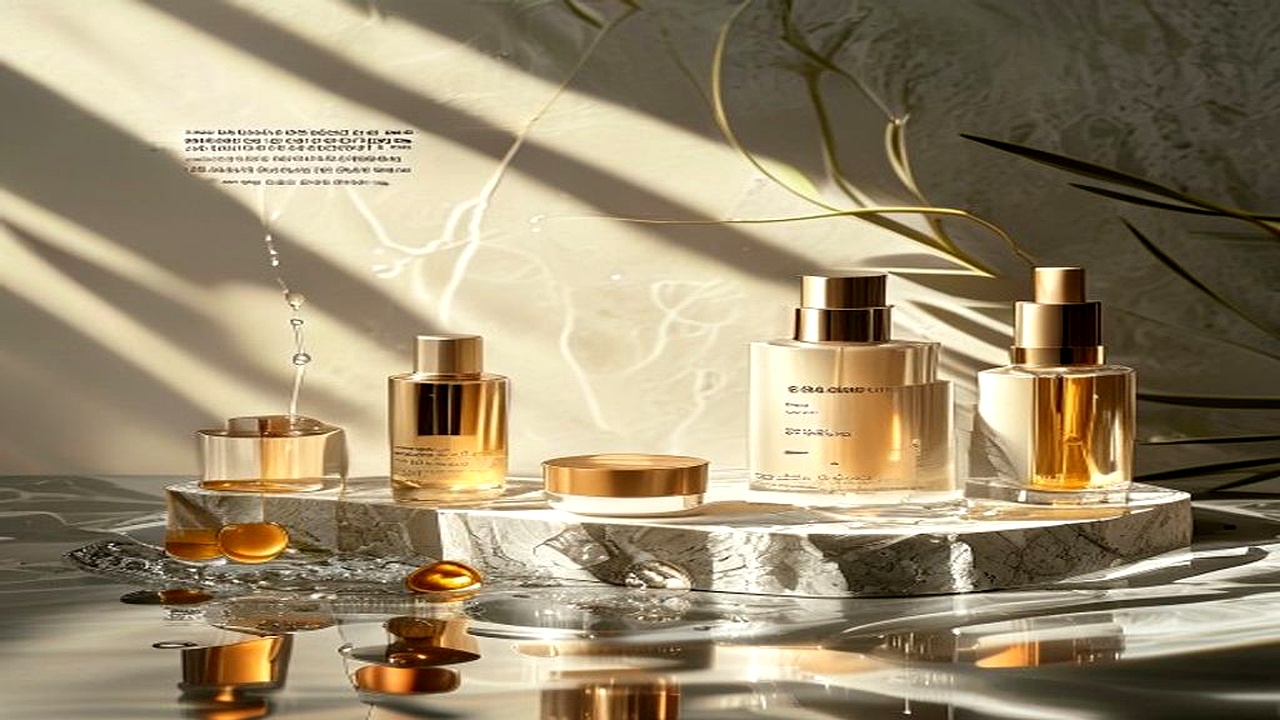
In today’s educational guide, we’ll discuss in detail how ceramides help repair your skin barrier, the science behind it, and how you should structure your daily routine to achieve a healthy, radiant complexion. This is going to be your roadmap to the world of clean, high-end skincare.
—
1. The Science of the Skin Barrier: What It Really Is and How It Works
The outermost layer of our skin is called Stratum Corneum, which basically works as a protective shield or skin barrier. In scientific terms it is often compared to a “brick and mortar” structure.
- The Bricks (corneocytes): These are dead skin cells that are mainly made of keratin and natural moisturizing factors (NMF).
- The Mortar (intercellular lipids): The adhesive cement or mortar that holds these bricks together is natural lipids. The main components of this lipid matrix are ceramides (about 50%), cholesterol (25%), and free fatty acids (15%).
When this lipid matrix is in perfect balance, your skin is plump, hydrated and resilient. It prevents external harmful bacteria, pollutants, and irritants from entering and does not allow moisture from inside the skin to escape.
When our skin barrier is weakened or damaged, the water inside the skin evaporates easily and flies into the air. This process is called Transepidermal Water Loss (TEWL). When TEWL increases, the skin becomes dehydrated and shows signs of premature aging.
—
2. What are the common causes of Skin Barrier Damage?
This delicate barrier can be easily damaged by some of our everyday unconscious mistakes and environmental factors:
- Over-Exfoliation: Excessive use of AHA, BHA or rough physical scrubs completely washes away the skin’s protective lipid layer.
- Harsh Cleansers: Cleansers with a high pH and rich in SLS (Sodium Lauryl Sulfate) strip the skin of its natural oils.
- Environmental Stressors: Excess UV radiation, extreme cold weather, and pollution directly degrade the skin’s lipid barrier.
- Incorrect Formulation Pairing: Using highly active ingredients like Retinol, Vitamin C, and strong acids together without professional guidance.
—
3. What are ceramides and why are they important for skin?
Ceramides are a type of lipid molecules that are naturally produced in the cells of our skin. They are basically a type of glue that holds skin cells together. As we age or due to wrong skincare, the natural ceramide level in our skin starts to decrease rapidly. After the age of 30, our skin loses about 30% to 40% of ceramides, which causes the skin to lose its elasticity and wrinkles appear.
Types of Major Ceramides Used in Skincare:
In various skincare formulations we mainly find some types of synthetic or plant-derived ceramides, which work well to restore the skin barrier structure:
- Ceramide NP (Ceramide 3): It is most commonly used to increase the moisture retention capacity of the skin and improve water-barrier function.
- Ceramide AP (Ceramide 6-II): It helps to normalize the skin’s natural exfoliation process and smooth the skin texture.
- Ceramide EOP (Ceramide 1): It plays a significant role in holding the lipid structure of the skin together.
—
4. The Golden Ratio: The Perfect Match of Ceramides, Cholesterol, and Fatty Acids
If it is used in the right ratio with two other natural lipids, the skin barrier repair process is faster than using ceramide alone. This science-backed combination is called the 3:1:1 Golden Ratio (3 parts ceramides, 1 part cholesterol, and 1 part fatty acids).
| Lipid Type | Its main role in Skin | Why is this essential? |
|---|---|---|
| Ceramides | Moisture retention and maintaining cellular cohesion. | Relieves skin dryness and prevents TEWL. |
| Cholesterol | Maintaining the elasticity and biological regulation of the skin barrier. | Accelerates overall skin health and healing process. |
| Fatty Acids | Maintaining the skin’s acidic pH balance and providing nutrition. | Fights external germs and pathogens. |
—
5. Step-by-Step Skin Barrier Repair Routine
When your skin barrier is damaged, use of all complex active ingredients should be temporarily stopped. At this time you need a minimalist and highly nourishing routine. Below is an optimal barrier-restoring routine:
Step 1: Gentle Cleansing (morning and night)
No foaming or salicylic acid cleanser can be used in case of skin damage. Choose a non-foaming, pH-balanced hydrating cleanser. It will clean the dirt without stripping your skin’s natural moisture.
Examples of some trusted hydrating cleansers:
- CeraVe Hydrating Cleanser (Ceramides + Hyaluronic Acid)
- La Roche-Posay Toleriane Hydrating Gentle Cleanser (Panthenol + Niacinamide)
- Vanicream Gentle Facial Cleanser (Fragrance-free, non-comedogenic)
Step 2: Hydration Hydrating Toner/Essence (morning and night)
On damp skin (slightly damp skin) use a hydrating toner or essence rich in hyaluronic acid, glycerin or panthenol (Provitamin B5). It will deliver hydration to the deepest layer of the skin.
Due to the high humidity in the climate of Bangladesh, lightweight essences are more comfortable. Some recommendations:
- Hada Labo Gokujyun Premium Lotion (5 types of hyaluronic acid)
- Klairs Supple Preparation Unscented Toner (Glycerin + Beta-Glucan)
- Some By Mi AHA-BHA-PHA 30 Days Miracle Toner (Improves skin texture with regular use)
Step 3: Barrier-Repairing Serum (morning or night)
In this step come the most important ingredients—ceramides, cholesterol, and fatty acids. It is important to adhere to the correct ratio (Golden Ratio) of these three elements to repair the skin barrier.
List of some effective serums:
| Product Name | Key Ingredients | Best For |
|---|---|---|
| Dr. Jart+ Ceramidin Serum | 5 Ceramides + Niacinamide | Dry and Sensitive Skin |
| Paula’s Choice 1% Retinol Treatment + Omega Complex | Retinol + Ceramides + Omega Fatty Acids | Aging Skin and Barrier Repair |
| Nilavy Ceramide Repair Serum | 3:1:1 Ceramides:Cholesterol:Fatty Acids + Panthenol | All skin types (especially in Bangladesh weather) |
Usage Tips:
- Usually best to use at night, as the skin repair process is most active then.
- Apply 2-3 drops of serum on the face and massage gently.
- If the skin is more sensitive, do a patch test first.
Step 4: Moisturizer Lock-In (morning and night)
A good moisturizer helps seal the skin barrier. Choose a moisturizer rich in occlusive (eg squalane, shea butter) and humectant (eg hyaluronic acid, urea) in case of skin damage.
Some suitable moisturizers for Bangladesh climate:
- Eucerin Advanced Repair Cream (Urea + Ceramides)
- Bioderma Atoderm Intensive Baume (Panthenol + Shea Butter)
- Nilavy Barrier Repair Cream (Colloidal Oatmeal + Squalane)
Step 5: Sun Protection (morning only)
The most important thing when repairing the skin barrier is sun protection. UVA/UVB rays damage the skin and weaken the barrier. So use a Broad Spectrum SPF 30+ sunscreen every day.
Some of the best sunscreens on the market:
- La Roche-Posay Anthelios UVMune 400 (suitable for tinted, sensitive skin)
- Beauty of Joseon Relief Sun: Rice + Probiotics (Lightweight, Korean Formula)
- Nilavy Daily Defense SPF 50+ (with Vitamin C + Niacinamide)
Usage Tips:
- Clean your face at least 15 minutes before applying sunscreen.
- Re-apply every 2 hours, especially if outdoors.
- Do not use any sunscreen below SPF 30.
Extra Tips for Faster Recovery
Taking some extra care while repairing the skin barrier gives faster results:
- Sleep Well: Adequate sleep at night accelerates the skin repair process.
- Hydrate from Inside: Drink at least 2-3 liters of water every day.
- Avoid Hot Water: Hot water strips the natural oils of the skin. Use lukewarm water instead.
- Diet Matters: Eat foods rich in healthy fats (Avocado, Salmon), Vitamins (Citrus fruits, Nuts), and Omega-3 (Flaxseeds).
- Humidifier Use: Use a humidifier in winter or in dry environments.
6. Common Mistakes to Avoid During Barrier Repair
Many people make some common mistakes when repairing the skin barrier, which slows down the recovery process. Below is a list of some such mistakes:
- Over-Exfoliating: Stop using AHA/BHA/PHA. It is better to stop exfoliation until the skin is completely healed.
- Using Too Many Products: Avoid “stacking” skin damage. Follow the minimal routine.
- Ignoring Patch Test: Be sure to patch test before using any new product.
- Skipping SPF: Many people think that SPF is not necessary when repairing the barrier, which is completely wrong.
- Using Harsh Ingredients: Avoid products with alcohol, fragrance, and essential oils.
7. How Long Does It Take to Repair the Skin Barrier?
How long it takes for the skin barrier to fully repair depends on:
- Extent of Damage: Mild irritation may take 1-2 weeks, but severe damage may take several months.
- Consistency of Skincare Routine: Regular and proper adherence to skincare routine will yield faster results.
- Genetics and Skin Type: Dry skin takes longer to repair its barrier than oily skin.
- Lifestyle Factors: Smoking, excess stress, and unhealthy eating habits slow down the barrier repair process.
Usually, 4-6 weeks of regular care shows noticeable improvement. However, it may take 8-12 weeks for the barrier to fully heal.
Conclusion
The skin barrier is your skin’s most important defense system. When it is damaged, the skin becomes rough, red, and sensitive. But it can be restored with proper care and patience.
In this article we have discussed:
- How the skin barrier works and the causes of its damage.
- Importance of ceramides and how to use in proper proportion.
- A step-by-step barrier repair routine, followed by results.
- Some mistakes to avoid and how long it takes to repair the barrier.
Remember, skin barrier restoration is a game of patience. Regular care, choosing the right products, and living a healthy lifestyle can restore your skin to its natural beauty.
So start your skin barrier repair journey today. If any question, comment below or contact us. Healthy skin is beautiful skin!

About the Author
Maria is a beauty expert and skincare enthusiast dedicated to helping readers make confident, informed choices about their daily routines. With years of hands-on experience evaluating top skincare, haircare, and cosmetic trends, she cuts through the hype to deliver honest product recommendations, expert tips, and clear, practical advice you can rely on.