The Truth About Collagen Creams vs Collagen Supplements: Which One delivers Youthful Skin?
Collagen is a familiar term in the skincare world. Collagen is important in maintaining skin’s youthfulness, elasticity, and firmness as it ages. Many of us spend a lot of money on expensive collagen creams or collagen supplements in the market in the hope of getting radiant skin. But the question is, which of them actually works at the cellular level and which is just marketing claims?
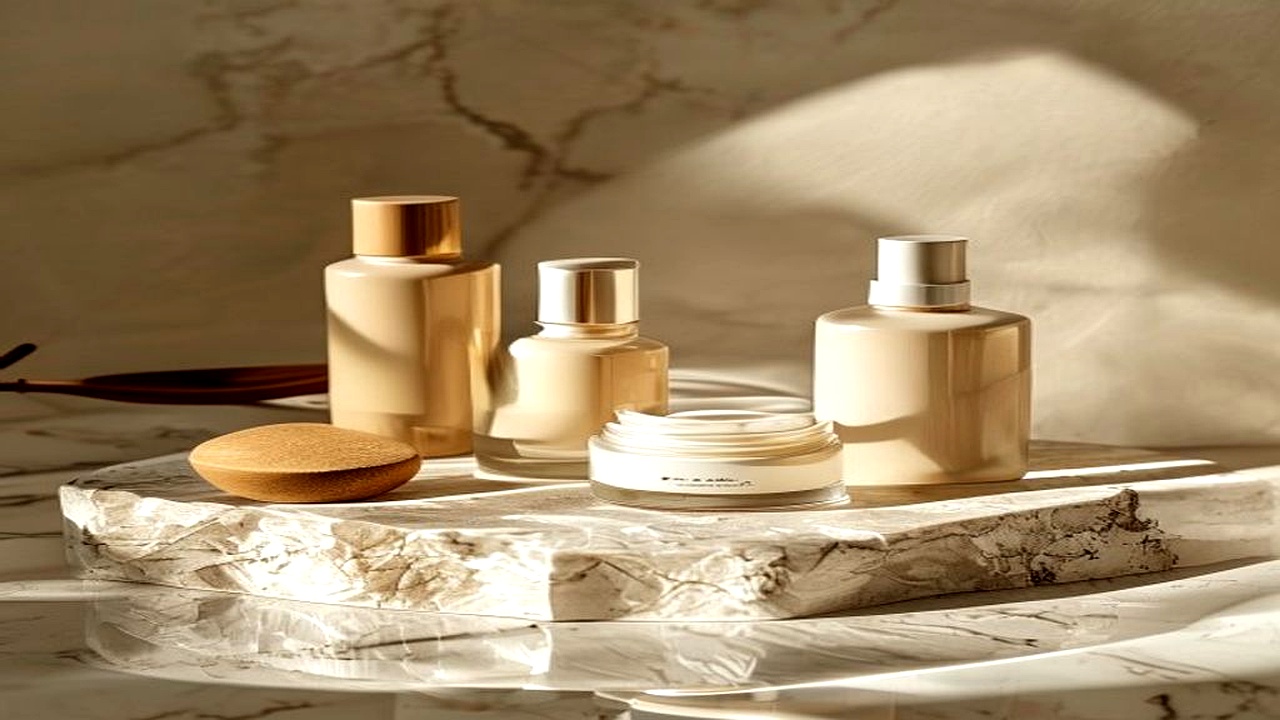
Analysis of skincare science and anatomy shows that these two products work in completely different ways. One provides temporary hydration on the skin’s surface, the other provides structural building blocks from within. Today we will reveal the real truth about Collagen Creams and Collagen Supplements through science-backed facts, so that you can make the right decision for your skin health.
—
What is collagen and its role in skin health?
Collagen is the most abundant structural protein in our body. It acts as the main building block of skin, bones, muscles, and tendons. About 80% of the total dry weight of our skin is collagen, of which Type I and Type III collagen are the most abundant.
The second and deepest layer of our skin, called the Dermis, contains structural cells called Fibroblasts. These fibroblasts mainly synthesize collagen. Collagen along with elastin and hyaluronic acid keeps the skin plump, firm and youthful.
However, a natural change occurs with aging:
- From the age of 25, collagen production in our body starts to decrease at a rate of about 1% every year.
- In the first 5 years of menopause, the amount of collagen in women’s skin can decrease by up to 30%.
- Also, exposure to UV rays, smoking, pollution, and poor diet also accelerate collagen destruction.
There are some proactive steps we can take to slow these changes. For example:
- Diet & Nutrition: Micronutrients like Vitamin C, Zinc, Copper are important for collagen synthesis. Eating citrus fruits, berries, nuts, and leafy greens helps support collagen production.
- Topical Skincare: Products rich in Retinol, Peptides, and Vitamin C stimulate collagen production and improve skin texture.
- Lifestyle Adjustments: Smoking cessation, adequate sleep, and stress management also help reduce collagen degradation.
But many want to know—is collagen only available through food or skincare, or should it be taken directly as a supplement? To know the answer to this question we need to go to the next discussion.
Types of Collagen and Their Different Roles
Collagen is not just one, but several types, each with a different role. The three most important types of collagen for our skin are:
| Collagen Type | Found in | Introduction to Skin Health |
|---|---|---|
| Type I | Skin, Bones, Tendons | Provides skin firmness and strength. Helps reduce wrinkles. |
| Type II | Cartilage | Supports joint health, but has less direct effect on skin. |
| Type III | Skin, Blood Vessels | Maintains skin elasticity and helps in wound healing. |
In addition, there are Type IV and Type VII Collagen, which are mainly found in the basement membrane of the skin. They help in maintaining the elasticity and smoothness of the skin.
Which type of collagen is most important?
Type I and Type III Collagen are key for our skin. Reason:
- Type I Collagen is responsible for the structure and firmness of the skin.
- Type III Collagen maintains elasticity and flexibility of skin.
- When the balance of these two types of collagen is lost, wrinkles, sagging, and dullness appear in the skin.
Many supplements contain Type I and Type III Collagen together, as they work together to provide benefits for skin.
Collagen Cream vs Collagen Supplement: Which is More Effective?
Now the question is – between collagen cream and collagen supplement, which one is more effective? Let’s learn about their differences and functionality.
Effectiveness of Collagen Cream
The main advantage of collagen cream is that it is applied directly on the skin. However, there is a problem with most Collagen Creams:
- Molecular Size: Because the molecular size of collagen used in most collagen creams is large, it cannot penetrate into the deep layer of the skin (Dermis). As a result, it only works for surface-level hydration and temporary plumping.
- Short-term Effect: The use of Collagen Cream can make the skin look smoother and hydrated, but it cannot stimulate collagen production.
- Complementary Ingredients: Good collagen creams usually contain Hyaluronic Acid, Peptides, and Antioxidants, which enhance the benefits of collagen.
Therefore, the main role of Collagen Cream is to improve skin hydration and texture, but it cannot increase collagen production.
Effectiveness of Collagen Supplement
Things are a little different with collagen supplements. When we take collagen powder or capsule, it breaks down into amino acids in our body. These amino acids are then used for collagen synthesis.
Research has shown that taking collagen supplements regularly:
- Increased Skin Hydration: Increases skin hydration level after 8 weeks of regular consumption.
- Wrinkles reduced: After 12 weeks the depth of wrinkles is reduced.
- Increased Elasticity: Taking Collagen Supplement increases the elasticity of the skin.
However, not all collagen supplements are equally effective. A few things to keep in mind when it comes to good quality collagen supplements:
- Source: There are differences between Bovine, Marine, and Chicken Collagen. Due to the small molecular size of Marine Collagen, it is easily absorbed.
- Type: Supplements rich in Type I and Type III Collagen are more beneficial for skin.
- Dosage: Generally 2.5g to 10g of collagen should be taken daily.
Natural Ways to Increase Collagen Production
There are some natural ways to increase collagen production, not just supplements or skincare. Let’s find out how to increase collagen production naturally.
1. Eating foods rich in Vitamin C
Vitamin C is important for collagen synthesis. Reason:
- Vitamin C helps support collagen production by stimulating fibroblasts.
- It works as an antioxidant, which protects the skin from the harmful effects of free radicals.
Foods that are high in Vitamin C:
- Acerola Cherry
- Guava
- Bell Peppers
- Kiwi
- Citrus Fruits (Orange, Lemon)
2. Taking Bone Broth
Bone broth is a natural source of collagen. Collagen, Gelatin, and amino acids are obtained from the bones and tissues used to make it. If you take Bone Broth regularly:
- Skin hydration increases.
- Joint health improves.
- Gut health is better.
However, most of the bone broth available in the market contains extra salt and preservatives, so homemade bone broth is more beneficial.
3. Protective Skincare Routine
Not only diet is important to increase collagen production, but also a proper skincare routine. For example:
- Sunscreen: Use SPF 30+ daily. UV rays are one of the causes of collagen destruction.
- Retinol: Retinol stimulates collagen production and increases skin renewal.
- Peptides: Peptides rich serum helps to increase collagen production.
- Hyaluronic Acid: Hyaluronic Acid maintains the hydration of the skin and increases the function of Collagen.
Things to Keep in Mind Before Buying Collagen Supplements
Many types of collagen supplements are available in the market, but not all are equally effective. Some things to keep in mind to choose a good quality collagen supplement:
| Criteria | Details |
|---|---|
| Source | Marine collagen (derived from fish) is the most easily absorbed. Bovine collagen is more affordable but may cause allergies in some people. |
| Type | Type I and Type III Collagen are most beneficial for skin. |
| Molecular Weight | Collagen of small molecular weight is easily absorbed. Hydrolyzed Collagen (Collagen Peptides) is the best. |
| Third-party Testing | Supplements that have proven purity and efficacy through third-party testing are more reliable. |
| Flavor & Mixability | Many collagen powders have an unpleasant taste. Good quality supplements dissolve easily in water and are tasteless or mildly flavored. |
Also, a dermatologist should be consulted before taking collagen supplements, especially if you have any allergies or health problems.
Conclusion
Collagen is one of the main components of our skin’s youthfulness and firmness. As its production decreases over time, wrinkles, sagging, and dullness appear in the skin. But with proper knowledge and steps we can help increase collagen production and improve skin health.
Understand the difference between Collagen Cream and Collagen Supplement. Collagen Cream only works for surface-level hydration and temporary plumping, but Collagen Supplement directly stimulates collagen production and provides long-term benefits. But not all collagen supplements are equally effective—choosing a good quality supplement is crucial.
In addition, consuming foods rich in Vitamin C, consuming bone broth, and following a protective skincare routine are also very effective in increasing collagen production. The most important thing is to be patient and take regular care. It takes time to increase collagen production, so the result is within a month

About the Author
Maria is a beauty expert and skincare enthusiast dedicated to helping readers make confident, informed choices about their daily routines. With years of hands-on experience evaluating top skincare, haircare, and cosmetic trends, she cuts through the hype to deliver honest product recommendations, expert tips, and clear, practical advice you can rely on.