The Truth About Clean Beauty and Preservative-Free Products: Science vs. Marketing Hype
The term Clean Beauty has become a major trend in the Skincare Industry these days. Scrolling through social media feeds we see a variety of claims—”100% Natural,” “Chemical-Free,” and the most interesting and controversial claim is “Preservative-Free”. Global consumers are now more aware of what they are putting on their skin than ever before. But with this clean beauty movement it has become crucial to understand the difference between scientific reality and marketing gimmicks.
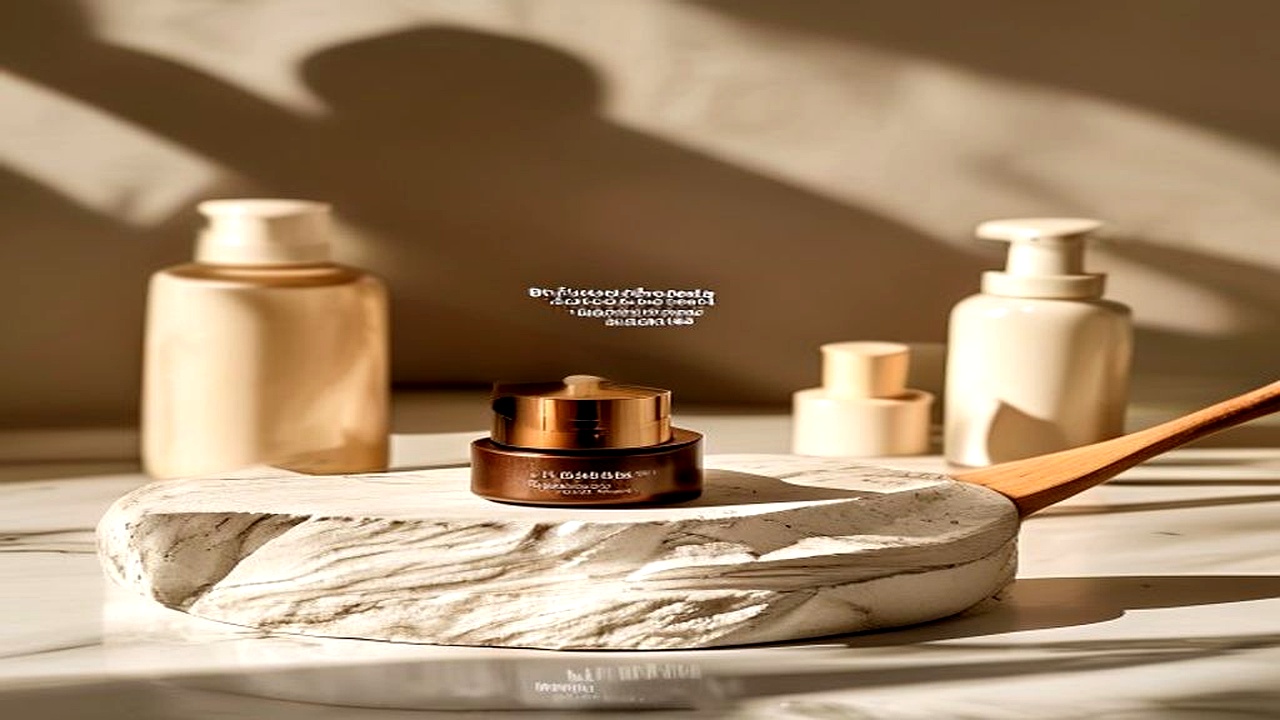
In the urge to protect our skin, we often choose products that may seem safe temporarily but can cause serious damage to the skin in the long run. At Nilavy we believe in transparency and scientific data. In today’s comprehensive guide, we’ll discuss the real truth about clean beauty and why so-called “preservative-free” skincare can turn out to be a silent curse rather than a blessing for your Skin Barrier.
—
What is Clean Beauty? (Separating Marketing Hype from Actual Science)
Simply put, Clean Beauty’s main idea was to create skincare products that are not harmful to human health and the environment. This includes a trend to eliminate controversial ingredients such as Parabens, Phthalates, Sulfates, and synthetic fragrances. But the problem is, there is no legal or scientific definition of the word “Clean” by global skincare regulatory bodies (eg FDA or European Commission).
As a result many brands are resorting to Greenwashing. They try to sell their products by creating fear in the minds of consumers (fear marketing). An extreme form of this concept is “Preservative-Free Skincare”. We think that everything natural is good and everything synthetic or chemical is bad. However, science confronts us with another truth.
—
Why are Preservatives so Important in Skincare?
Preservatives are undeniable necessary in the formulation of any skincare product. When we use a Serum, Moisturizer or Toner, its primary ingredient is Water or Aqua. And science teaches us: where there is water, there is life.
Any formula rich in water is an ideal breeding ground for Bacteria, Mold, Yeast, and other harmful Pathogens. Every time you touch a jar of face cream or lotion with your finger, countless microorganisms from your skin enter the product. If the product doesn’t have an effective preservation system, bacteria can grow there very quickly.
An effective preservative system basically does two main things:
- Broad-Spectrum Protection: It simultaneously protects the product from attack by Gram-positive and Gram-negative bacteria, mold and yeast.
- Preventing Formulation Decay: It maintains chemical stability of ingredients, so active ingredients (such as Niacinamide or Vitamin C) do not deteriorate or oxidize.
—
The Hidden Dangers of “Preservative-Free” Products
Claiming a product completely “Preservative-Free” is highly risky. It is necessary to know what kind of damage can be done to your skin as a result of using skincare products made without preservatives:
1. Microbial Contamination (bacterial infection)
Just because a product is invisible does not mean it is safe. Sometimes mold or fungi grow inside the cream, but there is no external smell or color change. If this type of contaminated product is used on the face, it comes in direct contact with the skin and spreads the harmful pathogen.
2. Skin Barrier Damage and Infections
Our skin is covered with a natural defense system or Skin Barrier. When we apply products containing bacteria or fungi to our skin, it destroys our skin barrier. As a result conditions such as contact dermatitis, severe acne vulgaris, folliculitis and various bacterial skin infections can occur. Especially for those with sensitive skin or those suffering from eczema, it is particularly dangerous.
3. Very Low Shelf Life
In fact, if a water-based product is made without preservatives, it will be good for only a few days to a maximum of 2-3 weeks at normal room temperature. After that it becomes unusable. Refrigeration does not completely stop the process of contamination, but only slows it down a bit.
—
The Paraben Controversy: Fear vs. Science
Ingredients that receive the most negative publicity in clean beauty discussions are Parabens (eg Methylparaben, Propylparaben). Some flawed studies in the 1980s and later claimed that parabens mimic estrogen in the body and increase the risk of cancer.
However, modern dermatology and cosmetic science have completely rejected this claim. World-renowned organizations such as SCCS (Scientific Committee on Consumer Safety) and FDA have confirmed after extensive research that low concentrations (usually 0.01% to 0.3%) of parabens used in skincare are completely safe for human health. They are effective preservatives and their skin sensitization rate is low. However, in the tide of clean beauty, many brands with “Paraben-Free” labels are using alternative preservatives that are more harmful to the skin and can cause allergies.
—
Safe and Clean Preservatives: Where the Solution Lies
Clean beauty does not mean that the product will not contain any preservatives. Rather, it should mean using safe, non-toxic, and clinically tested preservatives that protect the skin and at the same time do not pose any health risks. Below is a list of some safe preservatives that are widely accepted in modern clean science:
| Ingredient Name | Type/Origin | Max Safe Concentration | Primary Function & Benefits |
|---|---|---|---|
| Phenoxyethanol | Synthetic / Nature-identical | 1.0% | A widely used broad-spectrum preservative that works well against bacteria. It is recognized as safe around the world. |
| Sodium Benzoate | Organic Acid Salt | 0.5% | It is usually inspired by the natural ingredients of various fruits. It is used to inhibit yeast and mold, especially in skincare formulations with acidic pH (below 5.5). |
| Potassium Sorbate | Natural Organic Salt | 0.6% | It is an excellent anti-fungal agent. It is often combined with Sodium Benzoate to create a robust preservation system. |
| Ethylhexylglycerin | Plant-derived / Synthetic | 0.5% – 1.0% | It is a multi-functional ingredient. On the one hand, it increases the effectiveness of the preservative (booster), on the other hand, it helps to keep the skin soft as a skin conditioner or humectant. |
—
Nilavy’s Formulation Philosophy: Science Meets Pure Skin Health
Nilavy we don’t see the term “Clean Beauty” as just a marketing gimmick or marketing jargon. To us “Clean” means Safety, Efficacy, and Scientific Integrity. We don’t feed any unfounded fears into our formulations—instead, we select each ingredient to protect skin health and provide long-term benefits. Our formula motto is: Not natural, but proven.
We believe, the idea that “everything should be natural” when it comes to skin care is too simplistic.
Principles of Formulation of Nilavy
There are three pillars behind our formulation, which set us apart from others:
- Safety First: We do not use any ingredients that may be harmful to the skin. We even completely avoid some commonly used ingredients such as Parabens, Sulfates, or Synthetic Fragrances. Instead, we use plant-derived preservatives (such as Rosemary Extract or Leucidal Liquid) and essential oils for fragrances which are completely safe for the skin.
- Efficacy: Each of our products is formulated to address specific skin concerns. For example, our Glow Elixir Serum contains Niacinamide (10%) and Hyaluronic Acid, which enhance skin radiance and ensure hydration. Again, Retinol Repair Cream contains Retinol (0.3%) and Peptides, which accelerate skin regeneration and help reduce wrinkles.
- Scientific Integrity: We verify the scientific evidence of each ingredient before including it in the formulation. For example, when using Vitamin C (L-Ascorbic Acid) we ensure that it is used at a pH close to 3.5 and at 3-5% concentration, so that it can provide benefits to the skin. Besides, we ensure the effectiveness of each product through Stability Testing and Clinical Trials.
Important ingredients used in the formulation of Nilavy
Know about some of the important ingredients used in our formulation and their benefits:
| element | Source | Features |
|---|---|---|
| Niacinamide | Vitamin B3 | Increases skin radiance, reduces redness, controls sebum |
| Hyaluronic Acid | derived from plants | Increases skin hydration, reduces wrinkles |
| Retinol | Derivatives of Vitamin A | Accelerates skin regeneration, reduces wrinkles |
| Peptides | derived from plants and animals | Increases skin elasticity, reduces wrinkles |
| Rosemary Extract | derived from plants | Works as a natural preservative, antioxidant |
Formulation process of Nilavy
Our formulation process is highly precise and scientifically based. At every step we ensure that the product is completely safe and effective for the skin. The process is as follows:
- Research & Development: First we research various skin problems and select ingredients accordingly. For example, if we want to create a serum that will increase skin radiance, we choose ingredients like Vitamin C, Niacinamide, and Licorice Extract.
- Preliminary steps of formulation preparation: Primary formulation is prepared by mixing the selected ingredients in proper proportions. In this step we check pH, stability, and skin tolerance.
-
Laboratory Tests: The initial formulation is validated through various tests in the laboratory. For example:
- Microbial Testing: The product is tested for the presence of any microbes.
- Stability Testing: How long the product remains stable at different temperatures is tested.
- Patch Testing: The tolerance of the product is tested on different skin types.
- Clinical Trial: After passing the laboratory tests the product is sent for clinical trial. Here the product is tested on various volunteers and their feedback is collected.
- Manufacturing and Marketing: After passing all the tests the product is ready for production. Even during production we ensure that each product is of the same quality and safe for skin.
Example of Nilavy’s formulation philosophy: Glow Elixir Serum
Learn about the philosophy behind the formulation of one of our most popular products, Glow Elixir Serum:
- Purpose: Increase skin brightness and reduce redness.
-
Selected Components:
- Niacinamide (10%): Increases skin radiance and controls sebum.
- Vitamin C (L-Ascorbic Acid, 15%): Acts as an antioxidant and brightens skin tone.
- Hyaluronic Acid: Increases skin hydration and reduces wrinkles.
- Licorice Extract: Reduces skin redness and increases radiance.
- Rosemary Extract: Acts as a natural preservative and acts as an antioxidant.
-
Formulation process:
- First Hyaluronic Acid and Vitamin C are dissolved in water.
- Then Niacinamide and Licorice Extract are added.
- Finally the mixture is stabilized by adding Rosemary Extract.
- Clinical Trial Results: 92% of clinical trial participants reported an increase in skin brightness and reduction in redness.
Conclusion
While there is a lot of talk about Clean Beauty and Preservative-Free in skin care, it is very important to know the right information. At Nilavy we believe in not natural, but proven. Our formulation is based on science, research, and a commitment to skin health.
We know that, no compromise should be made when it comes to skin care. So we create products that are completely safe and effective for the skin. Our formulation principles are Safety, Efficacy, and Scientific Integrity. We do not use any ingredients that may harm the skin, and do not make any claims that are not supported by science.
When you use Nilavy products, you can be sure that they are completely safe and effective for your skin. Our goal is to create products that protect your skin’s health and provide you with long-term benefits.
So, the next time you choose a skin care product, check the ingredient list, scientific evidence, and clinical trial results. Because, knowing the right information and choosing science-based products when it comes to skin care is crucial.
Start your skin care the right way—with Nilavy

About the Author
Maria is a beauty expert and skincare enthusiast dedicated to helping readers make confident, informed choices about their daily routines. With years of hands-on experience evaluating top skincare, haircare, and cosmetic trends, she cuts through the hype to deliver honest product recommendations, expert tips, and clear, practical advice you can rely on.