The Complete Guide to Cosmetic Ingredient Lists: How to Read Them Like a Skincare Chemist
When you pick up the attractive bottle of a new serum or moisturizer, it’s natural to be drawn in by the appealing claims on its front label. Catchy words like “Instant Glow,” “Deep Hydration,” or “Anti-Aging Miracle” easily tempt us. But the only reliable way to know what is actually beneficial and what is harmful for your skin is to carefully read the Cosmetic Ingredient List written in small print on the back of the bottle.
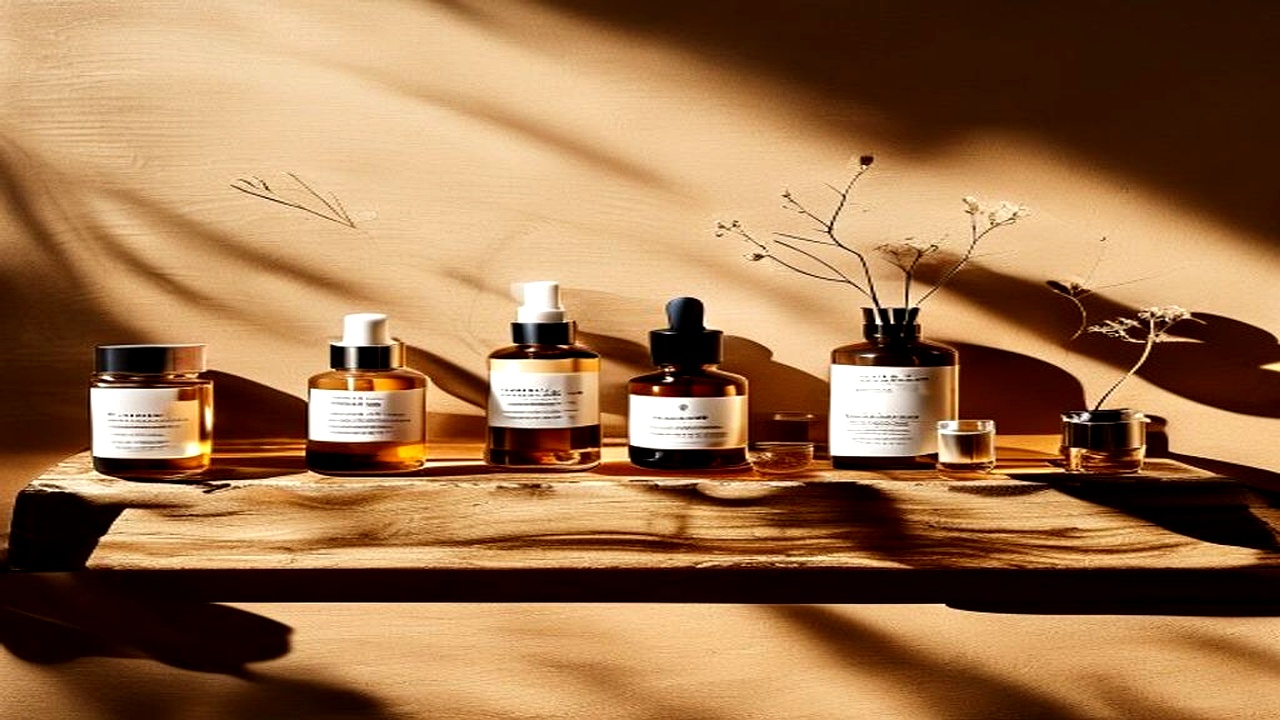
In the skincare industry this is called the INCI List (International Nomenclature of Cosmetic Ingredients). It is essentially a standardized scientific language, which is used to express the ingredients of all beauty products around the world. At first glance this list of names may seem like a complicated chemistry textbook. But if you know some basic rules and techniques, you can learn to decode this ingredient list. In this guide from Nilavy, we’ll teach you how to read skincare labels like a pro, so you can choose the safest and most effective product for your skin barrier.
—
1. The Golden Rule of Concentration: 1% Rule and Order of Ingredients
The first and most important rule of reading a cosmetic label is to understand the order of the ingredients. According to FDA and international cosmetic regulations, the ingredient that contains the highest amount in a product is first on the list. Then gradually the less dense elements come down.
Usually the first 5 to 10 ingredients of any serum, cream or liquid cleanser form the base and bulk of that product. About 70% to 90% of the formula is determined by these first few ingredients. In most cases you will see Water (Aqua) or a botanical extract, which acts as a solvent, first on the list.
Here comes the famous 1% Rule. As a rule, elements whose concentration is less than 1% can be arranged in random order anywhere in the list. But how do you know where the 1% line starts?
- Identify Preservatives and Thickening Agents: Typically ingredients such as Phenoxyethanol, Ethylhexylglycerin, Xanthan Gum, Carbomer, or Disodium EDTA are used in amounts below or near 1%.
- Effectiveness of the ingredients below: Once you find a standard preservative like Phenoxyethanol, you will realize that the ingredients below are very low.
- Actives below the 1% line: But remember, active ingredients such as Retinol, Peptides, or Hyaluronic Acid can have a strong effect on the skin even if they are present in amounts less than 1%. So don’t panic even if these are at the end of the list.
—
2. Key Ingredient Families in Skincare and Their Functions
To understand how a product will work on your skin, it is necessary to divide the ingredients into several main functional groups. Below is a breakdown of the main Ingredient Families in skincare:
Humectants (water or moisture attractants)
They draw moisture from the air and from the deeper layers of the skin and hold it in the epidermis. If your skin type is dehydrated, then these ingredients are your best friend.
- Glycerin: It is a classic and effective humectant, which maintains the skin’s natural moisture balance.
- Hyaluronic Acid: Capable of holding 1000 times its own weight in water, this ingredient makes skin look fuller and hydrated.
- Panthenol (Pro-Vitamin B5): It helps in moisturizing as well as repairing the damaged skin barrier.
Emollients (skin softeners)
They fill the cracks or gaps between skin cells and make the skin soft, smooth and supple.
- Squalane: A lightweight and non-comedogenic oil, compatible with the skin’s natural sebum.
- Ceramides (Ceramide NP, Ceramide AP): Structural components of the Skin Barrier, which protects the skin from external pollution.
- Caprylic/Capric Triglyceride: An excellent emollient derived from coconut oil, which gives the skin a silky feel without being greasy.
Occlusives (moisture sealers)
They form a thin protective layer on the skin, which prevents Transepidermal Water Loss (TEWL) or evaporation of water from the skin.
- Dimethicone: This is a popular silicone, which gives the skin a velvety texture and locks in moisture.
- Shea Butter (Butyrospermum Parkii): A very rich natural butter, which is helpful for dry skin.
—
3. Cosmetic Ingredient Compatibility Matrix
It is very important to know how different active ingredients work together and their compatibility. Because using two actives together in a wrong combination can reduce their effectiveness and even cause adverse reactions. The following table will give you a clear idea of which Actives can be used together and which cannot:
| Active Ingredient | Primary Benefit | Best Paired With | Avoid Mixing With (In Same Routine) |
|---|---|---|---|
| Niacinamide | Sebum control, Skin Barrier support, reduces Hyperpigmentation. | Hyaluronic Acid, Ceramides, Zinc PCA | Pure L-Ascorbic Acid (can cause flushing for sensitive skin) |
| Retinol | Cell turnover, collagen production, anti-aging. | Ceramides, Squalane, Hyaluronic Acid | Salicylic Acid, Glycolic Acid, Benzoyl Peroxide |
| Vitamin C (L-Ascorbic Acid) | Brightening, Antioxidant protection, Collagen synthesis. | Ferulic Acid, Vitamin E, Peptides | Retinol, Benzoyl Peroxide, Copper Peptides |
| Alpha Arbutin | Mild brightening, Hyperpigmentation treatment. | Niacinamide, Licorice Root Extract, Vitamin C | Strong acids (Glycolic, Lactic, Salicylic) |
| AHA/BHA (Glycolic, Lactic, Salicylic Acid) | Exfoliation, Pore cleansing, Texture improvement. | Hyaluronic Acid, Soothing agents (Allantoin, Panthenol) | Retinol, Vitamin C, Other AHAs/BHAs (over-exfoliation risk) |
Through this compatibility matrix you can easily understand which actives can be used together and which ones cannot. But remember, everyone’s skin is different. So before going to any new combination, you must do a patch test. If any adverse reaction occurs, discontinue use immediately and consult a Dermatologist.
Why can’t some Actives be used together?
There are some important reasons for incompatibility between active ingredients in skin care:
- pH Level Conflict: Some actives have specific pH ranges within which they work effectively. For example, the ideal pH for Vitamin C is 3.5 or less, but the ideal pH for Retinol is 5.5-6.5. Using both at the same time may reduce their effectiveness.
- Oxidation Risk: Some actives like Vitamin C oxidize easily, especially when it comes into contact with other actives like Retinol or Benzoyl Peroxide. As a result, their brightening ability decreases.
- Irritation Potential: Some actives such as AHAs/BHAs and Retinol can cause additional skin irritation when used together. Because both weaken the top layer of skin through exfoliation.
- Moisture Loss: Using Retinol and Strong AHAs together can cause the skin to become excessively dry, resulting in damage to the Skin Barrier.
Correct Use of Compatibility Matrix
With this matrix you can easily optimize your skincare routine. But keep some important tips in mind:
- Morning vs. Night Routine: Vitamin C and AHAs/BHAs are usually used in the morning routine, as they can damage the skin when exposed to sunlight. On the other hand, Retinol and Peptides are usually used in the night routine.
- Layering Order: If two Compatible Actives are to be used, follow the correct order for layering them. The general rule is Thin to Thick (eg Serum followed by Cream).
- Frequency Adjustment: If you want to use two actives together which have compatibility but may cause irritation if used simultaneously, then use them at separate times. For example, use AHAs the day after Retinol.
- Product Formulation Check: Always check the Product Ingredient List. Sometimes the same Active is in different concentrations, which can affect their compatibility.
4. Ingredient Incompatibility: When to be alert?
Incompatibilities between active ingredients in skin care can cause certain symptoms. If you experience any of the following symptoms, change your skincare routine immediately:
- Excessive Dryness: If skin becomes very dry and scaling occurs, you may be using Retinol and Strong AHAs together.
- Redness and Irritation: If the skin is very red and irritated, you are probably using Retinol and Vitamin C together.
- Stinging Sensation: If the skin has a stinging sensation, you are probably using Strong AHAs and Retinol together.
- Uneven Skin Tone: If there is uneven skin tone, there is probably overuse of AHAs/BHAs or incompatibility of other actives with them.
If these symptoms appear, immediately stop using those actives and give the skin a chance to recover. Consult a Dermatologist if necessary.
5. Pro Tips: How to Optimize Your Skincare Routine
Knowing the compatibility of active ingredients is not enough to create an effective skincare routine. Along with this, some other important points should be kept in mind:
When to use an Active?
Not all active ingredients can be used all the time. The time and frequency of their use depends on their type and skin needs. Below are the ideal times for some important Actives:
- Vitamin C: Use in morning routine. Helps protect the skin from sunlight.
- Retinol: Use in night routine. Stimulates skin regeneration process.
- AHAs/BHAs: Can be used in morning or night routine, but be sure to use SPF to protect skin from sunlight.
- Niacinamide: Can be used anytime in morning or night routine. Helps to strengthen the skin barrier.
- Peptides: Can be used anytime in morning or night routine. Stimulates skin collagen production.
Active selection according to skin type
Everyone’s skin is different, so not all Actives are suitable for everyone. Below are recommendations for choosing Active according to different skin types:
| Skin Type | Recommended Actives | Actives to Avoid |
|---|---|---|
| Dry Skin | Hyaluronic Acid, Ceramides, Squalane, Lactic Acid | Strong AHAs/BHAs, Benzoyl Peroxide |
| Oily Skin |

About the Author
Maria is a beauty expert and skincare enthusiast dedicated to helping readers make confident, informed choices about their daily routines. With years of hands-on experience evaluating top skincare, haircare, and cosmetic trends, she cuts through the hype to deliver honest product recommendations, expert tips, and clear, practical advice you can rely on.