How to Use Vitamin E Oil Safely on Your Face: The Expert Guide
How many types of active ingredients do we use in our skincare routine to get healthy, glowing and radiant skin. One of these timeless and powerful ingredients is Vitamin E. It has long been admired in the skincare industry for its deep moisturizing and healing properties. However, like traditional remedies, many people apply pure Vitamin E oil directly on the face, which can sometimes be counterproductive.
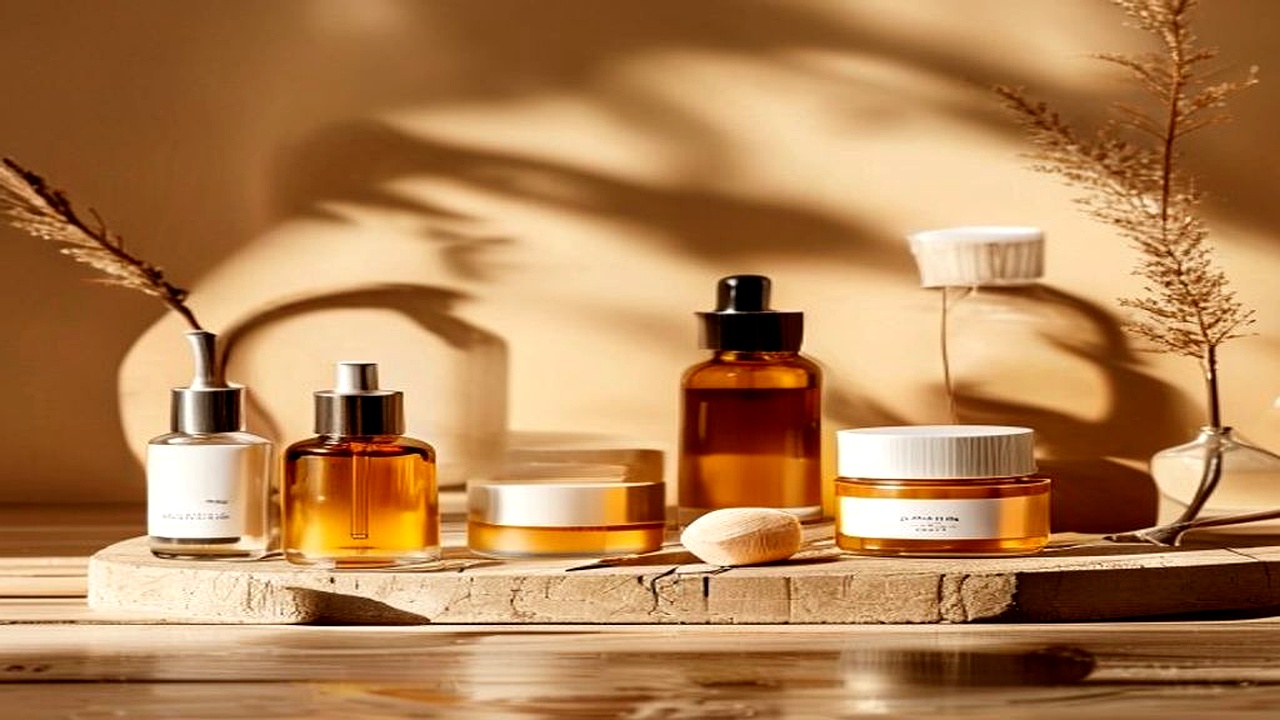
Vitamin E is actually a lipid-soluble antioxidant that works well to repair our skin barrier and fight free radicals. But, there are some specific safety rules and standard protocol for using it directly on the face. If applied the wrong way, it can create skin concerns like clogged pores, Acne Vulgaris, or Contact Dermatitis. In today’s educational guide, we will learn how to use Vitamin E oil on your face in a correct and safe way and how to select the perfect formulation according to your skin type.
—
The Science Behind Vitamin E: How Does It Work on Our Skin?
Antioxidants play a role in protecting our skin from external environmental damage such as UV Rays, pollution and stress. Vitamin E is basically a group of eight different chemical compounds, among which Tocopherol and Tocopheryl Acetate are the most used in our skincare.
When our skin is exposed to UV radiation or environmental toxins, large amounts of free radicals are produced in the epidermis. These free radicals break down our collagen structure, resulting in premature aging and hyperpigmentation.
- Neutralizing Free Radicals: Vitamin E neutralizes these harmful free radicals by donating electrons from its molecular structure.
- Skin Barrier Support: It restores the lipid matrix of our epidermis, which strengthens the skin barrier and prevents Transepidermal Water Loss (TEWL).
- Synergistic Effect: When Vitamin E is combined with Vitamin C and Ferulic Acid, its efficacy increases significantly.
—
Is Vitamin E Oil Safe for Everyone? (Skin Type Compatibility)
It is important to consider your skin type and current skin condition before applying pure vitamin E oil directly to the face. It may not suit all skin types equally.
1. Dry Skin and Mature Skin
If you have very dry skin or aging skin, then Vitamin E oil can be helpful for you. It removes dry patches of skin and helps to keep skin plump and hydrated by reducing the appearance of fine lines and wrinkles.
2. Oily Skin and Acne-Prone Skin
For those whose sebaceous glands are excessively active and the skin constantly produces excess sebum, pure Vitamin E oil should not be applied directly to the face. The Comedogenic Rating of Vitamin E oil is relatively high (typically rating 3 to 4). As a result, it can easily clog skin pores and increase acne vulgaris or blackheads.
3. Sensitive Skin
People with sensitive skin or inflammatory conditions like eczema and rosacea should avoid using pure concentrated tocopherol directly. It can sometimes cause allergic reaction or contact dermatitis.
—
How to Use Vitamin E Oil Safely: Step by Step Rules for Safe Use
If you want to include Vitamin E oil in your skincare routine, follow the step-by-step guideline below. It will help ensure the safety of your skin as well as give benefits.
Step 1: Perform a Patch Test
Patch testing is mandatory before applying any skincare product or pure oil to the face.
- Apply a small amount of Vitamin E oil under your inner arm or jawline.
- Wait at least 24 to 48 hours and observe.
- If there is no redness, itching, burning sensation or swelling, then it is safe to use on your face.
Step 2: Always Dilute with a Carrier Oil
Pure Vitamin E capsules or oil applied directly to the face can feel heavy and sticky. So it should always be diluted with a high-quality Carrier Oil.
Below is a safe dilution table which will help you select the perfect combination according to your skin type:
| Skin Type | Recommended Carrier Oil | Dilution Ratio (Vitamin E : Carrier) | Primary Benefit |
|---|---|---|---|
| Dry & Dehydrated Skin | Jojoba Oil or Argan Oil | 1 Drop : 3 Drops | Deep hydration, barrier restoration. |
| Mature & Aging Skin | Rosehip Oil or Pomegranate Seed Oil | 1 Drop : 4 Drops | Collagen synthesis support, fine lines reduction. |
| Combination Skin | Squalane Oil | 1 Drop : 5 Drops | Lightweight moisture, non-greasy finish. |
Step 3: Mix with Your Favorite Moisturizer
If you don’t want to use face oil directly, you can blend it with your regular night-time moisturizer. Take a small amount of moisturizer in the palm of your hand and mix only 1 drop of Vitamin E oil well and gently massage it on the face and neck. This will enhance the power of your night cream.
Step 4: Incorporate into Your Night Routine
Since Vitamin E oil is heavy and takes time to absorb, it is best to use it in the night-time skincare routine. It nourishes your epidermis overnight and accelerates the regenerative process. If you use it during the day, there is a possibility of clogged pores with dust and there is a risk of oxidizing with UV rays.
—
Pure Vitamin E Oil vs. Formulated Vitamin E Serums
Many are hesitant whether to cut the capsule directly and use pure oil or choose the formulated product available in the market. According to skincare standards, using formulated products is the safest and most effective.
| Features | Pure Vitamin E Oil (Capsule/Raw Oil) | Formulated Vitamin E Serum/Cream |
|---|---|---|
| Molecular Weight | Very high, stays on top of the skin. | Low molecular weight, penetrates deeply into epidermis. |
| Comedogenic Risk | High (Can clog pores easily). | Low (Formulated with non-comedogenic ingredients). |
| Absorption Rate | Slow and greasy. | Fast-absorbing, lightweight texture. |
| Synergistic Ingredients | None (Only pure Tocopherol). | Combined with Vitamin C, Ferulic Acid, Hyaluronic Acid. |
| Safety Profile | Higher risk of Contact Dermatitis. | Dermatologically tested, safe. |
—
Potential Side Effects and Precautions: Precautions for Safe Use of Vitamin E Oil
Although Vitamin E Oil is beneficial for many skin types, it has some potential side effects and precautions that we all need to know. This includes skin irritation, redness, and in some cases allergic reactions. For this reason, we must be careful and only use certain amounts. Also, if you have any previous skin problems, such as hyperpigmentation or acne scars, you must consult a dermatologist.
In case of caution:
When you decide to use Vitamin E Oil, some precautions should be taken. These are:
- Do a patch test first: This will ensure that your skin is not sensitive to it.
- Use the right amount: Excessive use can be harmful to the skin.
- Avoid using in combination with other skincare products: it may lead to unexpected reactions.
How to maximize utility:
If you want to maximize the benefits of Vitamin E Oil, you should keep the following points in mind:
- Follow a regular skincare routine.
- Drink enough water and eat healthy food.
- Avoid direct sunlight and use SPF regularly.
Conclusion
Vitamin E Oil is a beneficial skincare ingredient that can nourish our skin and improve its health. However, it is important to be careful while using it. We must make sure that we are using it properly and safely, especially if we have sensitive skin. Hope this guide helps you all use Vitamin E Oil safely and effectively, making your skin healthier.

About the Author
Maria is a beauty expert and skincare enthusiast dedicated to helping readers make confident, informed choices about their daily routines. With years of hands-on experience evaluating top skincare, haircare, and cosmetic trends, she cuts through the hype to deliver honest product recommendations, expert tips, and clear, practical advice you can rely on.