Is a Higher SPF Always Better? The SPF Myths Debunked
The crucial and non-negotiable step in our skincare routine is sun protection. But whenever we shop for a new sunscreen, the first thing our eyes look for is that magic number—the SPF rating. Many people think that the higher the SPF rating, the better the skin protection. “SPF 100 means complete protection from the sun”—this idea is ingrained in many of our minds. But the world of scientific reality and cosmetic formulation says otherwise.
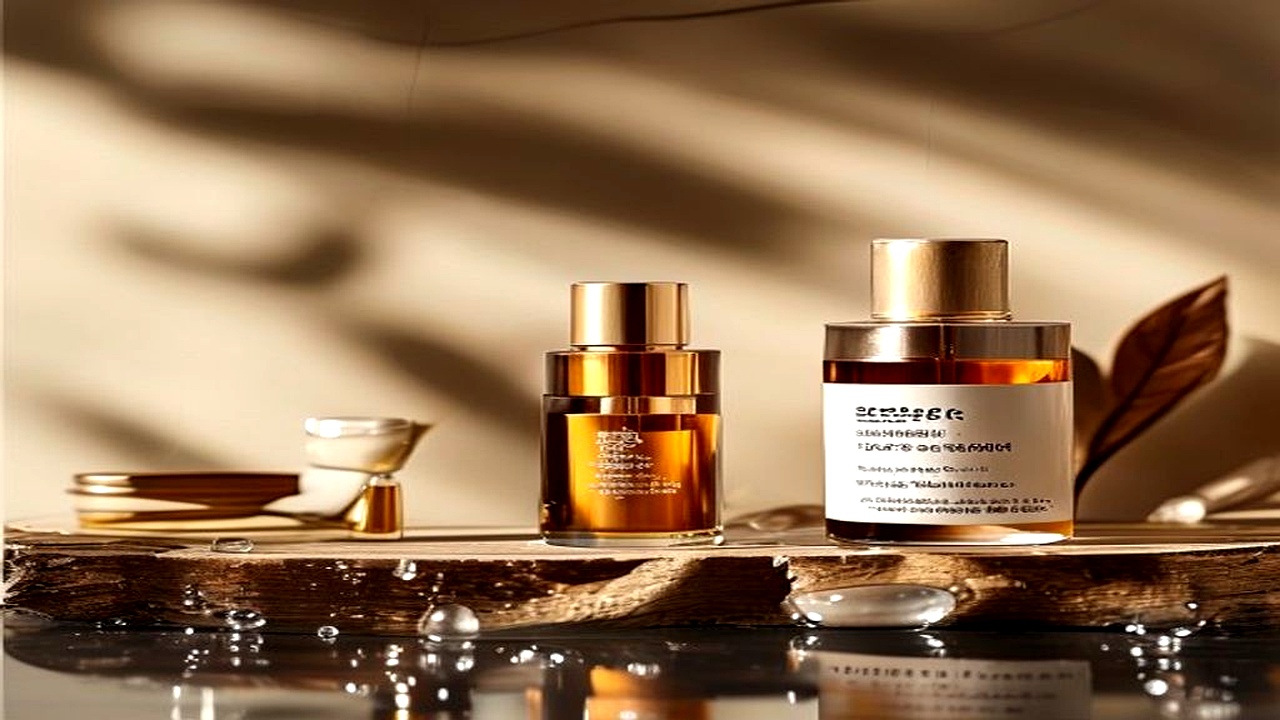
On behalf of high-end clean beauty brand Nilavy, today we will debunk these popular SPF myths. After reading this deep-dive educational article, you’ll understand how to choose the right sunscreen for your unique skin barrier and why you should stop chasing just a number.
—
What exactly is SPF and how does it work?
The full form of SPF written on the sunscreen bottle is Sun Protection Factor. It is a mathematical measure that indicates how well a sunscreen can protect your skin from the sun’s rays, especially UVB radiation.
Mainly two types of harmful ultraviolet rays from the sun reach our earth:
- UVB Rays (Burning): This ray hits the superficial layer of the skin or the epidermis. It is mainly responsible for sunburn, immediate skin damage, and skin cancer.
- UVA Rays (Aging): These rays reach deep and damage the dermis layer. It is the main cause of fine lines, wrinkles, melasma, and premature photoaging.
It is important to note here that the SPF rating only measures UVB protection, not UVA. So when you’re using a simple SPF 50 sunscreen, it’s not certain if it’ll save you from sunburn but still provide full protection from UVA. For this we need Broad Spectrum Protection.
—
The Math Behind SPF: It is Not a Linear Scale
Many people have a common misconception that SPF 60 provides twice the protection of SPF 30 and SPF 100 provides total protection. But skincare science’s calculations are a little different. The protection level of SPF is not linear; it follows a logarithmic curve.
The matter will be more clear if we look at the table below:
| SPF Rating | UVB Radiation Blocked (%) | UVB Radiation Allowed to Penetrate (%) |
|---|---|---|
| SPF 15 | 93% | 7% |
| SPF 30 | 97% | 3% |
| SPF 50 | 98% | 2% |
| SPF 100 | 99% | 1% |
What can we see from these statistics? The difference in protection between SPF 30 and SPF 50 is only 1%. Again, going from SPF 50 to SPF 100 increases protection by only 1%. No sunscreen can give you full protection. So the effectiveness of using SPF 100 with an astronomical price is not much different than SPF 30 or SPF 50.
—
The Myth of the SPF 100 Shield: Why Higher is Not Always Better
If high SPF gives a bit more protection, what’s the harm in using it? The answer to this question is hidden in cosmetic formulation and human psychology.
1. False Sense of Security
When someone uses a high number sunscreen like SPF 100 or SPF 90, a false sense of security is created in their mind. They think, “I have taken the strongest protection, so even if I am in the sun all day, there is no problem.” As a result, they skip reapplication and spend a long time in direct sunlight. This increases the risk of cumulative UV damage to the skin.
2. Heavy Chemical Load on the Skin Barrier
The higher the SPF rating of a sunscreen, the higher the concentration of chemical active ingredients (such as Avobenzone, Oxybenzone, Octisalate, Homosalate, etc.) in its formulation. In case of sensitive skin or damaged skin barrier, these high concentration chemical filters can cause severe irritation, contact dermatitis, and acne flare-ups. The key to clean beauty and high-end skincare is to keep the skin free from excess chemical load.
3. Compromised Cosmetic Elegance
Higher SPF formulations are usually very thick, greasy, and heavy. They create a suffocating layer upon application to the skin, which can clog pores and leave an uncomfortable white cast. As a result, users often do not want to apply the right amount of sunscreen (the Two-Finger Rule). Inadequately applied SPF 100 provides less protection than properly applied SPF 30.
—
Broad Spectrum Protection and the PA Rating System
As we already know, it is not possible to prevent your skin from aging or photoaging by just looking at the SPF rating and buying sunscreen. To measure UVA protection, the PA (Protection Grade of UVA) rating system is used in Asian countries (especially in Korean and Japanese skincare), which is determined based on PPD (Persistent Pigmentation Darkening) testing.
- PA+ : Some UVA protection (PPD value between 2 and 4)
- PA++ : Moderate UVA protection (PPD value between 4 and 8)
- PA+++ : High UVA protection (PPD value between 8 and 16)
- PA++++ : Very high UVA protection (PPD value 16 or more)
Nilavy always recommends choosing a sunscreen that is Broad Spectrum certified and has a rating of at least SPF 30, PA+++ or higher. It will protect your skin from both sun damage and premature aging.
—
Common SPF Myths Debunked
Myth 1: Dark skin tones don’t need sunscreen.
Fact: This is a harmful idea. It’s true that darker skin tones have more melanin, which naturally provides some SPF protection (roughly equivalent to SPF 13). But this natural protection is not enough to prevent UVA damage, hyperpigmentation, uneven skin tone, and deep-level cellular damage. Melanin-rich skin is more prone to melasma and post-inflammatory hyperpigmentation (PIH), which requires daily use of sunscreen to prevent.
Myth 2: My Foundation/BB Cream has SPF, so I am covered.
Fact: Makeup with SPF can never be a substitute for a dedicated sunscreen. To get full protection, about 1.25 mg of sunscreen should be applied on the face or according to the Two-Finger Rule. You should definitely not apply such a large amount of foundation or BB cream on your face. Therefore, applying a lightweight, high-quality Broad Spectrum Sunscreen under makeup is mandatory.
Myth 3: Sunscreen is not necessary on cloudy days or indoors.
Fact: Even though the sun is not visible on a cloudy day, about 80% of harmful UVA rays can penetrate the clouds and reach our skin. Besides, UVA rays can easily penetrate through the window glass of the house. Even High-Energy Visible (HEV) Blue Light emitted from your laptop, smartphone, and LED lights can cause skin damage. So SPF should be applied with lightweight moisturizer even indoors.
Myth 4: Once you apply high SPF, you don’t have to reapply throughout the day.
Fact: No matter how high the SPF number (even SPF 100), it breaks down or washes off over time due to our skin’s sweat, sebum, and environmental exposure. Sunscreen must be reapplied every 2 hours to keep sun protection active, especially if you are in direct sunlight or after swimming.
—
How to Choose the Perfect SPF for Your Unique Skin Type
The foundation of a good skincare routine is to formulate products based on your skin type and skin concern. There are generally two types of sunscreen available in the market: Physical (Mineral) Sunscreen and Chemical Sunscreen. Each type of sunscreen has its own characteristics and benefits, so it’s important to determine which one is right for you.
1. Physical/Mineral Sunscreen
This type of sunscreen uses Zinc Oxide and Titanium Dioxide as active ingredients. They act like a physical shield or mirror on the skin surface, which reflects and scatters UV rays. As a result, the harmful rays of the sun cannot enter the skin.
- Ideal for: Sensitive skin, rosacea-prone skin, post-procedure skin (e.g., after chemical peeling or laser treatment), and for children.
- Benefits: It starts working immediately upon application and does not cause any chemical absorption or irritation on the skin. So it is ideal for those with sensitive skin or those who have started using sunscreen.
- Drawbacks: Some mineral sunscreens have a white cast, which can be inconvenient for dark skin tones. Also, it can be relatively heavy in texture and may not blend well with makeup.
2. Chemical Sunscreen
Avobenzone, Octinoxate, Oxybenzone, etc. are used as active ingredients in chemical sunscreen. They penetrate the surface of the skin and absorb UV rays and release them as harmless energy. As a result, it protects the skin from the harmful effects of the sun.
- Ideal for: Oily skin, combination skin, and those looking for a lightweight and non-greasy sunscreen.
- Benefits: Chemical sunscreens are generally lightweight and blend easily into the skin. They do not produce a white cast and work well with makeup.
- Drawbacks: Some chemical sunscreens may cause irritation or allergic reactions, especially for sensitive skin. Besides, some ingredients such as Oxybenzone can be harmful to the environment.
3. Hybrid Sunscreen: The Best of Both Worlds
For those who find it difficult to choose between physical and chemical sunscreens, hybrid sunscreens can be an ideal solution. Both physical and chemical ingredients are used together in this type of sunscreen. As a result, it provides additional protection to the skin and at the same time benefits from a lightweight texture.
- Ideal for: All skin types, especially those who experience sensitive skin and are looking for a lightweight sunscreen.
- Benefits: Hybrid Sunscreen has a combination of physical and chemical ingredients that provide quick and effective protection to the skin. Besides, it usually does not produce a white cast and blends well with makeup.
- Drawbacks: Hybrid Sunscreen can be relatively expensive and not available in all brands.
4. SPF Selection Guide by Skin Type
The table below can help you decide which type of SPF to choose according to your skin type and concern:
| Skin Type | Recommended SPF | Sunscreen Type | Key Considerations |
|---|---|---|---|
| Dry Skin | SPF 30-50 | Chemical or Hybrid | Choose sunscreen with moisturizing ingredients such as Hyaluronic Acid or Glycerin. |
| Oily Skin | SPF 30-50 | Chemical or Hybrid | Choose an oil-free, mattifying formula. |
| Combination Skin | SPF 30-50 | Chemical or Hybrid | Choose a balanced formula that will work well everywhere. |
| Sensitive Skin | SPF 30-50 | Physical or Hybrid | Choose a fragrance-free, alcohol-free, and hypoallergenic formula. |
| Acne-Prone Skin | SPF 30-50 | Chemical or Hybrid | Choose a non-comedogenic and oil-free formula. |
| Mature Skin | SPF 30-50 | Chemical, Physical, or Hybrid | Choose sunscreen with antioxidants such as Vitamin C or Niacinamide. |
5. Additional Tips for Choosing the Right SPF
Keep the following tips in mind when choosing the right SPF for you:
- Broad Spectrum Protection: Choose a sunscreen that provides protection from all types of UV rays (UVA and UVB).
- Water Resistance: If you often do outdoor activities or sweat, choose water-resistant sunscreen.
- Reef-Safe: Use reef-safe sunscreen when visiting the beach, as some ingredients such as Oxybenzone and Octinoxate can damage coral reefs.
- Patch Test: Patch test a small area before using a new sunscreen, especially if you have sensitive skin.
- Expiry Date: Take note of the expiry date of the sunscreen. Sunscreen generally has a shelf life of 2-3 years, but should be used within 1 year after opening.
Conclusion
When choosing a sunscreen it is very important to consider not only the number of SPF, but also your skin type, skin concern, and lifestyle. Physical, Chemical, or Hybrid Any type of sunscreen can protect your skin from the harmful effects of the sun, but choosing the right one will help maintain the health and beauty of your skin.
Remember, SPF 30 typically protects the skin from up to 97% of UVB rays, while SPF 50 provides about 98% protection. So instead of chasing high SPF, regular and proper use of sunscreen is the key to skin care.
Choose the right sunscreen according to your skin type and needs, and apply it at least 30 minutes early in the morning. Remember to reapply every 2 hours during outdoor activities. Make this little habit part of your routine to ensure skin protection—your skin will thank you in the future!

About the Author
Maria is a beauty expert and skincare enthusiast dedicated to helping readers make confident, informed choices about their daily routines. With years of hands-on experience evaluating top skincare, haircare, and cosmetic trends, she cuts through the hype to deliver honest product recommendations, expert tips, and clear, practical advice you can rely on.