Why Dull Skin Is Caused by Indoor Heating and How to Solve It
In winter or in cold environments we often rely on central indoor heating systems. But behind this comforting warmth hides a common skin concern — Dull Skin. If you feel that there is no more glow to go out, the texture is becoming rough, and fine lines are appearing more, then know that your epidermis is directly exposed to heated air.
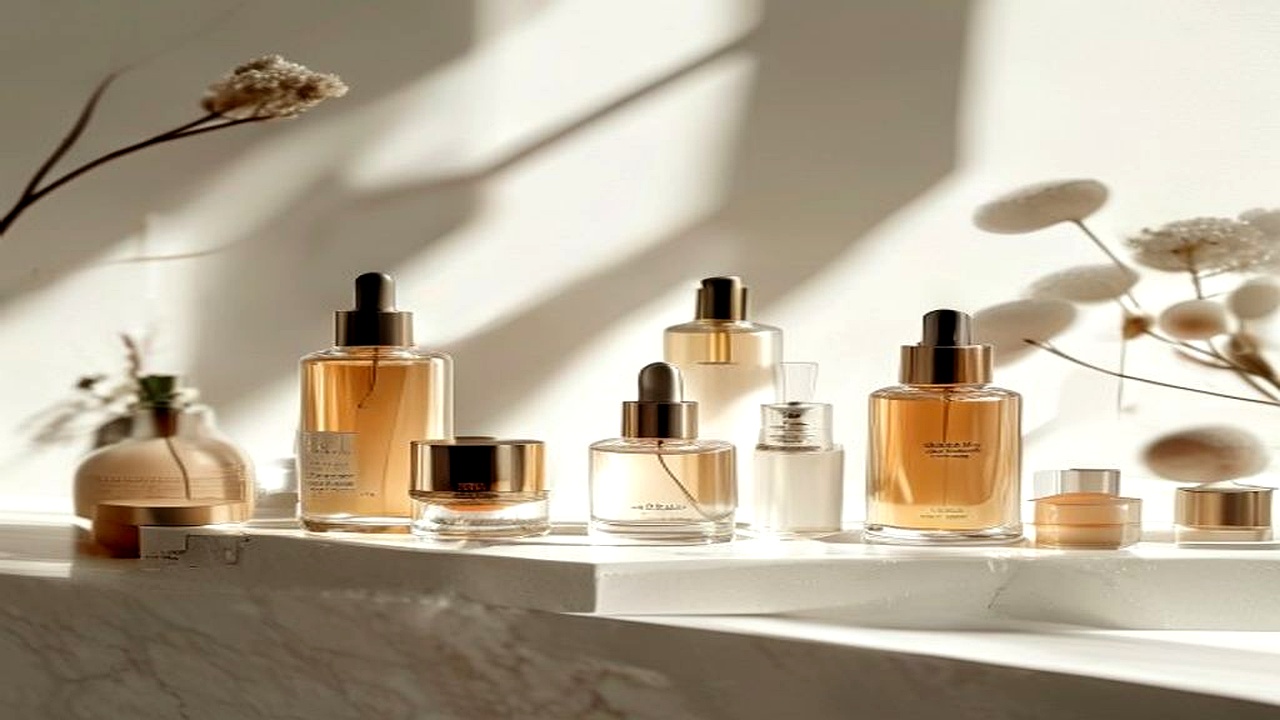
This deep-dive article will explain how heating systems break down the skin barrier, the science behind it, and how you can get that radiant look back with a clean high-end approach like Nilavy.
How a Heating System Affects Your Skin
Central heating works by heating the air and circulating it around the house. But in this process Relative Humidity decreases significantly. Normally 40% to 60% humidity is needed for comfortable skin, but in a heated room it drops to 10% or below.
Main factors at a glance
- Trans Epidermal Water Loss (TEWL): Dry air quickly pulls moisture from the skin surface, resulting in increased dehydration.
- Sebaceous Gland slowdown: Cold causes less natural oil from the gland, and a heated room makes it more imbalanced.
- Skin Barrier Damage: Ceramide and lipid layer break down, causing redness and sensitivity.
- Slow Cell Division: Dryness reduces Cell Turnover, resulting in accumulation of dead cells that create Dullness.
It’s not just a matter of comfort, but a physiological stress that dulls your complexion.
What is Dull Skin According to Science
When we say Dull Skin, we actually mean that skin light reflection is reduced. When healthy epidermis is hydrated, its surface is smooth and reflects light directly. But in heating-induced dehydration, rough texture scatters light, making skin look dull.
Also, chronic dryness creates a type of invisible inflammation called low-grade chronic irritation. It can indirectly trigger hyperpigmentation, especially in those who already have Acne Vulgaris or spots.
Nilavy Philosophy: Clean Repair Over Harsh Fix
Many people think that dullness will go away only by scrubbing with exfoliator or strong acid. But in a heated environment it gives the opposite result. A clean brand like Nilavy, first fixes the barrier, then gently renews.
| Problem Caused by Heating | Skin Need | Nilavy-Aligned Solution |
|---|---|---|
| Low Humidity & TEWL | Humectant + Occlusive | Hyaluronic Acid Serum + Light Cream |
| Damaged Lipid Barrier | Ceramide Support | Barrier Repair Moisturizer ( Fragrance-Free ) |
| Slow Cell Turnover | Mild Exfoliation | Weekly Lactic Acid ( 5% ) usage |
| Redness / Sensitivity | Soothing Agents | Niacinamide + Centella Asiatica blend |
Step-by-Step Anti-Dull Routine for You
The following routine is specially adapted for indoor heating conditions. It is safe for almost all skin types, but a patch test is necessary if your skin is very sensitive.
Morning steps
- Cleanse the mess: Skip the harsh face wash. Wash your face with a creamy, non-stripping cleanser to avoid damaging the skin barrier.
- Hydrating Serum: Apply 2-3 drops of Hyaluronic Acid Serum on a wet face. It will prevent dryness in a heated room by binding water.
- Niacinamide layer: Use a lightweight fluid containing 3% to 5% Niacinamide, which controls sebum and evens tone.
- Moisturizer + SPF: Always use broad spectrum SPF 30 or higher, as UV increases long-term dullness.
Night care (Evening)
- Double Cleanse (if makeup): First cleansing balm, then gentle foaming formula.
- Treatment Step: Use Lactic Acid (5%) or PHA twice a week to remove dead cells. On the rest of the days Retinol (starting at 0.25%) can be used to increase collagen.
- Barrier Cream: Finally, apply Ceramide-rich Night Cream to create occlusion to prevent water loss at night.
How to change the home environment
Topical products alone are not a complete solution unless you fix the ambient conditions. Take a few simple measures:
- Keep a Humidifier in the house and target 45% Relative Humidity.
- Heating temperature should not exceed 21°C or 22°C, because TEWL increases at higher temperatures.
- Drink at least 2 liters of water a day — internal hydration supports the skin barrier.
- If you soak cotton in a little water at night and keep it near the radiator, micro-humidity increases.
Which Ingredients to Avoid in Heating Season
Some ingredients can be more irritating during this time. For example:
- High-strength Alcohol Denat: Increases irritation on dry skin.
- Pure Ascorbic Acid ( 20% + ): Good but increases sensitivity in a winter heater, so use a derivative.
- Physical Scrubs: Avoid walnut shell or rough particles, they irritate the epidermis.
Be safe and choose a formula wisely.
When to go to a professional
If you find that your skin is showing increased flaking, persistent redness or acne vulgaris despite increasing the humidity in the room, consult a dermatologist. Sometimes there may be an underlying condition such as eczema that is triggered by heating.
How Skin Barrier Function Weakens Under Indoor Heat
Due to indoor heating, the humidity in the room decreases, due to which our skin barrier gradually weakens. When Transepidermal Water Loss (TEWL) increases, Ceramide and Natural Moisturizing Factors (NMF) decrease. Nilavy thinks that no Glow can be achieved without Barrier Repair.
- Low humidity helps to break down the barrier.
- Hot showers with heating dissolve barrier lipids.
- Skin regains resilience by using clean formulations.
Key Humectants vs Occlusives For Heated Room
In the heating season we need ingredients that retain water and block the outer layer. Hyaluronic Acid is a good Humectant, and Squalane is a great Occlusive. Nilavy’s recipe balances them to prevent dullness.
| Ingredient Type | Function | Best Use Time |
|---|---|---|
| Hyaluronic Acid | Pulls moisture into skin | Morning and Night |
| Glycerin | Maintains water balance | Anytime |
| Squalane | Seals moisture on surface | Evening |
| Ceramide | Rebuilds skin barrier | Night |
Weekly Exfoliation Schedule To Avoid Buildup
Skin looks more dull due to the dryness of heating if dead cells accumulate. We recommend using a gentle chemical exfoliant such as PHA 1-2 times a week. Nilavy believes that over-exfoliation destroys the barrier, so stay moderate.
- Use a light PHA lotion on Monday night.
- Just clean the T-zone with an Enzymatic mask on Thursday.
- Only apply a Hydrating serum on other days.
Clean Layering Method For Maximum Absorption
If you do not know the correct layering, the product does not work even in heating. First we have to give a water-based serum and then a light cream. Nilavy’s advice is to follow the Thin to Thick rule, so that Niacinamide is absorbed properly.
- Step 1: Wet the skin with mist or thermal water.
- Step 2: Apply Niacinamide serum and leave for 30 seconds.
- Step 3: Finish with a Squalane drop mixed Moisturizer.
Signs Your Skin Needs Professional Barrier Test
If there is frequent dullness and redness, understand that home care is not enough. Nilavy suggests that hydration be measured with a corneometer. If sensitivity increases, do a patch test through a Dermatologist.
- If there is tension and irritation, the Barrier is compromised.
- Professional is needed if the serum feels like burning.
- Consult if roughness lasts more than 2 weeks.
Nilavy’s little note
Our belief — clear skin does not mean dependence on chemicals, but understanding. When you know how central heating changes your Sebaceous Gland and Skin Barrier, you can choose the right serum and moisturizer. Be patient, because barrier repair takes time, but the results are long-lasting.
Be a little more mindful from today, your skin will thank you again with that healthy glow.

About the Author
Maria is a beauty expert and skincare enthusiast dedicated to helping readers make confident, informed choices about their daily routines. With years of hands-on experience evaluating top skincare, haircare, and cosmetic trends, she cuts through the hype to deliver honest product recommendations, expert tips, and clear, practical advice you can rely on.