How to Use Facial Oils for a Radiant Complexion: A Scientific Lipid Guide
Our skin’s own oil or lipid layer plays the biggest role in maintaining our skin’s radiance. Many people think that facial oils are only for dry skin and using them can clog pores and lead to acne. But dermatological science says, proper use of the right oil can restore your skin’s natural moisture balance to give you a luminous, dewy and healthy complexion that no simple cream or serum alone can provide.
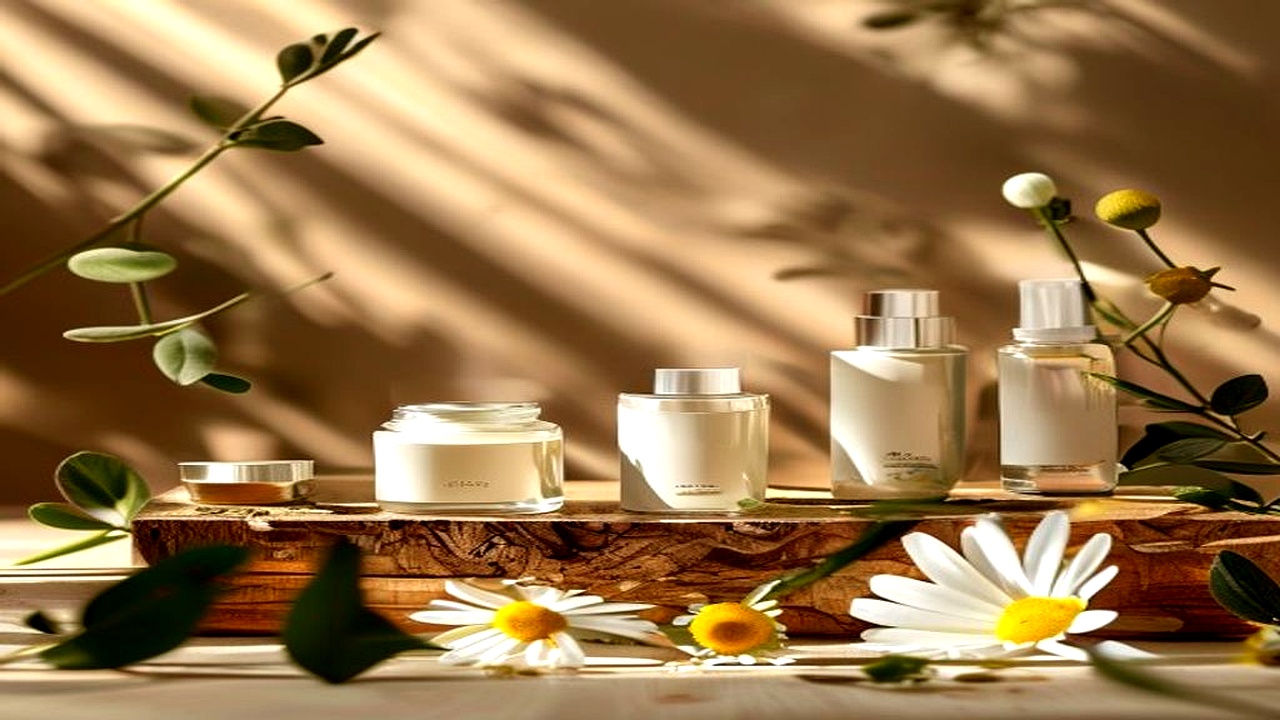
Our brand Nilavy aims to bring you the real chemistry behind skincare. In this comprehensive guide, we will discuss the scientific basis of using facial oils, the fatty acid profile of different types of oils and how to use facial oils in the right way according to your skin type to achieve a bright and glowing complexion.
The Science of Skin Lipids: Hydrolipidic Film
On the surface of our skin is a microscopic protective layer composed of water and oil, called the Hydrolipidic Film or Acid Mantle. It is mainly made up of a mixture of sebum and sweat secreted from Sebaceous Glands. The main function of this layer is to prevent external bacteria and lock the moisture inside the skin.
- The Lipid Barrier Deficit: As we age or due to excessive chemical use, our skin reduces its own sebum production. As a result, the lipid barrier becomes weak and skin texture, dryness and dullness appear.
- Biocompatibility: Facial oils are pure cold-pressed lipids derived from vegetable sources that are highly compatible with our skin’s natural sebum. They fill the intercellular spaces between the skin cells and make the skin surface instantly smooth and luminous.
Understanding Fatty Acid Profiles: Oleic vs. Linoleic Acid
Not all facial oils suit everyone’s skin. The effectiveness of oil depends on its Fatty Acid Ratio or chemical composition. There are basically two main types of fatty acids in oil:
| Fatty Acid Type | Molecular Characteristics | Ideal Skin Concerns | Best Botanical Oil Examples |
|---|---|---|---|
| High Linoleic Acid (Omega-6) | It is a lightweight and thin lipid that is easily absorbed into the skin and does not clog pores. It helps reduce sebum viscosity. | Oily, Acne-Prone, and Combination Skin | Rosehip Seed Oil, Safflower Oil, Evening Primrose Oil |
| High Oleic Acid (Omega-9) | It is a rich, thick and heavily nourishing lipid that penetrates deep into the skin to remove extreme dryness and flakiness. | Dry, Dehydrated, and Mature Skin | Marula Oil, Sweet Almond Oil, Avocado Oil |
| Balanced Wax Esters | It is about 97% similar to the natural sebum of human skin, which can naturally normalize skin oil production. | All Skin Types (Including sensitive skin) | Jojoba Oil |
How to Select Your Perfect Radiance Oil
Choosing the right oil according to your skin type is the first condition to get a glowing complexion:
1. For Dry & Mature Skin: Rosehip & Marula Blend
Rosehip Seed Oil contains natural trans-retinoic acid (the natural form of Vitamin A) and Marula Oil contains large amounts of Tocopherol (Vitamin E). The combination of these two ingredients strengthens the skin’s collagen fibers and prevents premature skin wrinkling to give a healthy, plumped glow.
2. For Oily & Acne-Prone Skin: Squalane & Jojoba Blend
Squalane and Jojoba Oil works great for oily skin. They are non-comedogenic, meaning they do not block pores. On the contrary, the use of jojoba oil causes our Sebaceous Glands to send signals to the brain that the skin has enough oil, thereby naturally reducing excess oil secretion.
Step-by-Step Guide: How to Apply Facial Oils Correctly
If facial oil is used incorrectly, it will sit sticky on the surface of the skin and will not get any benefit. Below is the correct scientific application method:
-
Step 1: Always Apply on Damp, Hydrated Skin
Never apply oil directly to completely dry skin. Oil itself cannot produce any moisture or water; It can only lock in moisture. So wash your face first and use a hydrating toner, essence or water-based serum. When the skin is wet or damp, it is the right time to apply oil.
-
Step 2: The “Press and Pat” Method (avoid friction)
Take only 2 to 3 drops of facial oil in the palm of your hand. Then increase the temperature of the oil by rubbing both hands together (activation phase). Now, instead of rubbing the face, gently press the palms of the hands on the entire face (Press and Pat). This will help the oil to quickly mix with the lipids within the Stratum Corneum.
-
Step 3: Mix with Your Moisturizer (For Beginners)
If you are not comfortable using oil directly, you can mix 1-2 drops of Rosehip or Jojoba oil with your regular moisturizer and apply it on your face. It transforms ordinary moisturizer into a luxurious, dewy emulsion that gives the skin a long-lasting soft velvet finish.
Advanced Glow Therapy: Gua Sha & Facial Massage
You can use an ancient yet highly scientific massage technique to double the effectiveness of facial oils:
The Lymphatic Gua Sha Protocol: After applying the facial oil to the face, gently massage with a clean Jade or Rose Quartz Gua Sha tool. Massage in upward and outward strokes starting from the collar bone to the top of the neck, and from the muzzle to the ears. Facial oil reduces skin friction during massage (provides slip) and massage increases facial microcirculation and lymphatic drainage. As a result, the skin is instantly de-puffed and a rosy, healthy glow emerges.
Daytime vs. Nighttime Usage
If you have dry skin, you can apply 1 drop of lightweight squalane oil just before using mineral sunscreen during the day to act as a natural primer under makeup or sunscreen. But for normal and oily skin, facial oil is safest and most effective to use at night. During Cellular Mitosis at night, these lipids work well to repair damaged skin cells.
Conclusion & Expected Results
Within just 3 to 4 days of using the right oil, you will notice that your skin’s dry patches and flakiness are completely gone. With regular use it will preserve the skin’s elastic properties, minimize Transepidermal Water Loss (TEWL) and give your face a natural, dewy, and smooth reflective brightness. Understand your skin’s lipid profile, ensure proper use of the right oils, and revive your skin’s natural radiance with Nilavy

About the Author
Maria is a beauty expert and skincare enthusiast dedicated to helping readers make confident, informed choices about their daily routines. With years of hands-on experience evaluating top skincare, haircare, and cosmetic trends, she cuts through the hype to deliver honest product recommendations, expert tips, and clear, practical advice you can rely on.